

Daily Onion Consumption: Benefits, Risks, and Recommendations
Onions are a culinary staple worldwide, but is it healthy to eat them every day? Here’s a balanced look at the science and practical advice.
✅ Potential Benefits of Daily Onion Consumption
- Nutrient-Rich
Onions are low in calories but packed with:
· Vitamin C (immune support & collagen production)
· B vitamins (especially B6 and folate)
· Potassium (heart health)
· Dietary fiber (digestive health)
· Antioxidants (quercetin, sulfur compounds)
- Health Benefits Supported by Research
· Heart Health: May help lower blood pressure and reduce cholesterol.
· Anti-inflammatory Effects: Quercetin and other compounds can reduce inflammation.
· Blood Sugar Regulation: Certain compounds may improve insulin sensitivity.
· Antimicrobial Properties: Historical use for fighting infections.
· Cancer Risk Reduction: Some studies associate allium vegetable consumption with lower risk of certain cancers (stomach, colorectal).
⚠️ Potential Drawbacks & Side Effects
- Digestive Discomfort
· FODMAP Content: Onions contain fructans, which can cause bloating, gas, and abdominal pain in people with IBS or FODMAP sensitivity.
· Acid Reflux: Can trigger or worsen symptoms in some individuals.
- Practical Considerations
· Strong Breath & Body Odor: Sulfur compounds can affect breath and even skin odor.
· Heartburn: Common trigger for acid reflux sufferers.
· Interactions: May theoretically interact with blood thinners (like warfarin) due to vitamin K content, though risk is generally low. Consult your doctor if on such medication.
📊 Recommended Daily Amount
There’s no official “daily recommended intake” for onions, but general guidance suggests:
Consumption Level Amount (Raw) Notes
Moderate ½ medium onion (~50-60g) Safe for most people, provides benefits without high risk of side effects.
Upper Limit 1 medium-large onion (~150-200g) May cause digestive issues in sensitive individuals.
Therapeutic Varies Some studies on specific compounds use concentrated extracts, not whole onions.
Important: Diversity in diet is key. Don’t rely solely on onions for your vegetable intake.
🧅 Types of Onions & Preparation Matter
· Raw vs. Cooked: Cooking reduces some beneficial compounds (like vitamin C) but can make onions easier to digest for some.
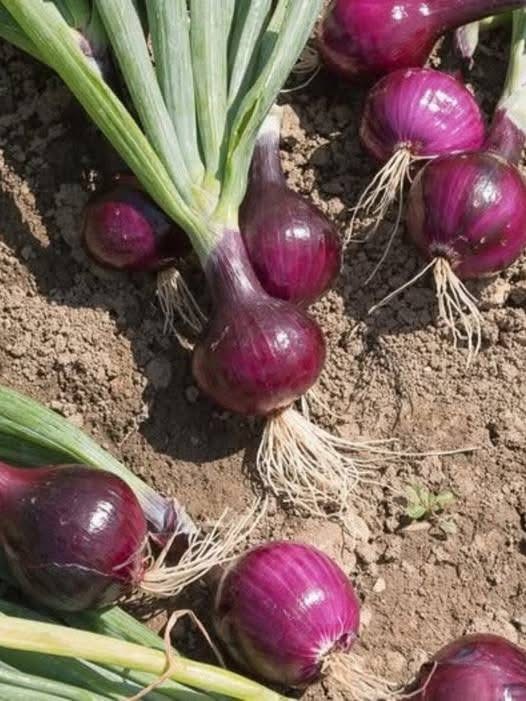
· Variety: Red onions have higher antioxidant levels (anthocyanins). All varieties (yellow, white, sweet, scallions) offer benefits.
🩺 Who Should Be Cautious?
Consult a doctor or dietitian if you have:
· Irritable Bowel Syndrome (IBS) or known FODMAP intolerance
· GERD or frequent heartburn
· Allergies to onions (rare but possible)
· Upcoming surgery (theoretical effect on blood clotting)
🥗 Practical Tips for Daily Consumption
- Start Small: Begin with 1-2 tablespoons daily if new to regular consumption.
- Mix It Up: Eat them raw in salads, cooked in soups/stews, caramelized, or pickled.
- Listen to Your Body: Reduce or eliminate if you experience gas, bloating, or reflux.
- Balance Your Diet: Pair with other vegetables (garlic, leafy greens, peppers) for a broader nutrient profile.
The Bottom Line
For most people, eating a moderate amount of onion daily (about ½ medium onion) as part of a balanced diet is safe and likely beneficial. The key is moderation and paying attention to your individual tolerance.
Special Consideration: If you have a specific health condition (like IBS) or experience discomfort, you may need to limit or avoid them. Always prioritize a varied diet over fixating on any single “superfood.”
Disclaimer: This information is for educational purposes and is not a substitute for professional medical advice.