

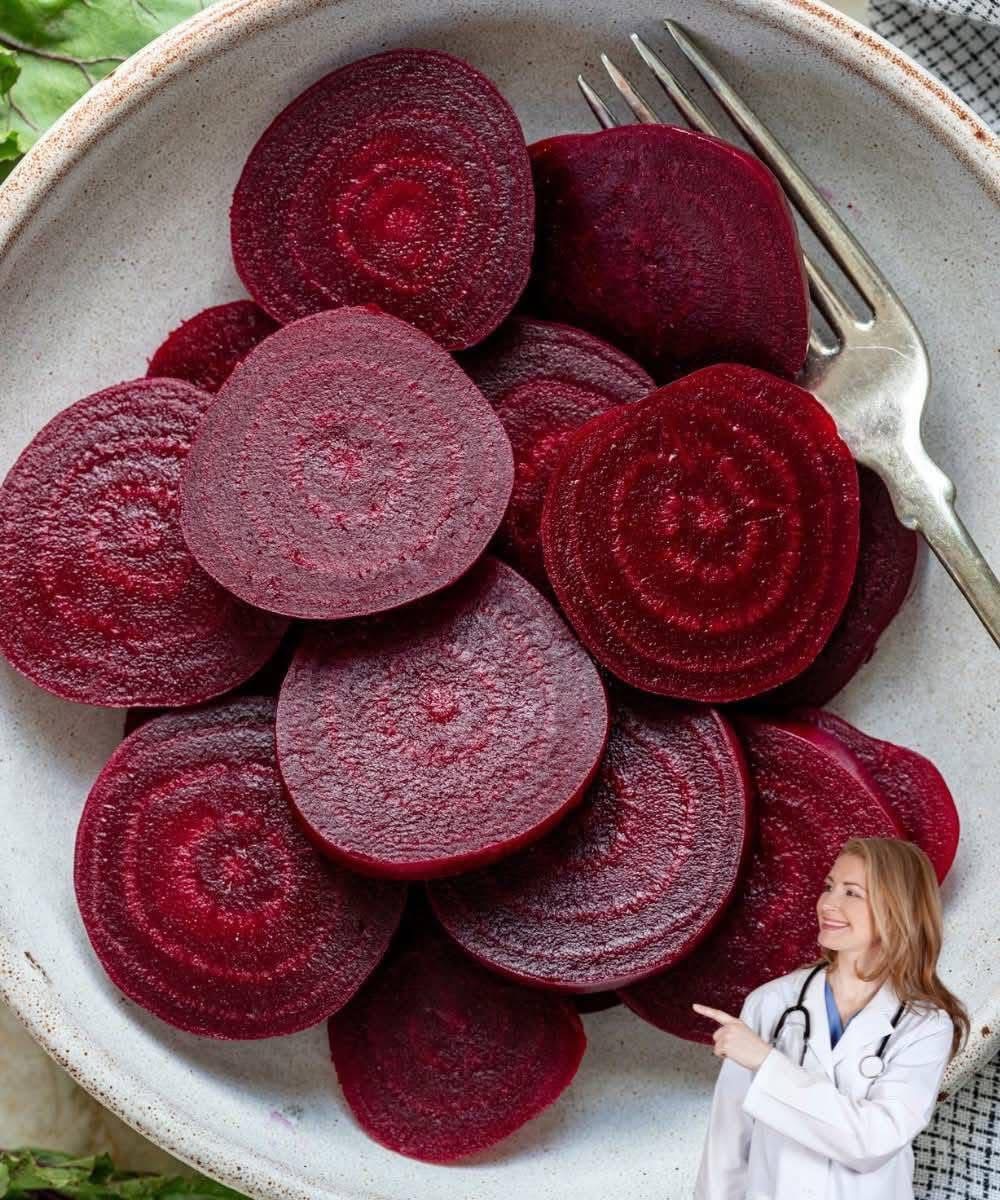
Excellent question. Beets are a nutritional powerhouse, and their effects on the body are both immediate and long-term. Here’s what happens, according to doctors and dietitians, broken down by timeframe.
Almost Immediately (Within Hours)
· Nitrate Conversion: Beets are exceptionally high in dietary nitrates. Your body converts these into nitric oxide, a compound that relaxes and dilates blood vessels.
· Blood Pressure Drops: This vasodilation can lead to a temporary, modest reduction in blood pressure, often noticeable within a few hours of consumption. This is why beet juice is popular among athletes for pre-workout.
· Pink or Red Urine/Stool: Don’t be alarmed! This condition, called beeturia, is harmless. It affects about 10-15% of people and is simply the result of the pigment betalain passing through your system.
Within Days to Weeks (With Regular Consumption)
· Improved Blood Flow and Stamina: The consistent boost in nitric oxide improves oxygen and nutrient delivery to muscles and organs. Doctors note this can lead to enhanced exercise performance, allowing you to work out longer with less fatigue.
· Reduced Inflammation: The phytonutrients in beets, particularly betalains, have potent anti-inflammatory and antioxidant properties. Regular consumption can help combat systemic inflammation linked to chronic diseases.
· Better Digestive Health: Beets are a good source of fiber (about 3-4 grams per cup). This promotes regular bowel movements, feeds beneficial gut bacteria, and supports a healthy digestive tract.
· Brain Health Support: Improved blood flow from nitric oxide also benefits the brain. Some studies suggest it may help improve cognitive function and blood flow to the brain, especially in older adults.
Long-Term Benefits (Over Months and Years)
· Heart Health Support: Doctors point to a trifecta for cardiovascular health: the blood pressure-lowering effect, anti-inflammatory properties, and beets’ ability to help lower levels of “bad” LDL cholesterol (thanks to their soluble fiber).
· Liver Support: Betalains are shown to support the liver’s natural detoxification processes and may help reduce fatty deposits in the liver, acting as a gentle detox aid.
· Potential Cancer-Fighting Properties: While not a cure, the antioxidants and anti-inflammatory compounds in beets have been studied for their potential to inhibit the growth of cancer cells in lab studies. More research is needed in humans, but the phytochemical profile is promising.
Important Considerations from Doctors
- Kidney Stones: Beets are high in oxalates. Individuals with a history of calcium-oxalate kidney stones should consume them in moderation and stay well-hydrated.
- FODMAPs: Beets contain FODMAPs (specifically, fructans) which can cause gas, bloating, and discomfort for individuals with IBS or sensitive guts, especially in large portions.
- Blood Pressure Medication: If you are on medication for hypertension, consult your doctor before significantly increasing beet intake, as the combined effect could lower your blood pressure too much.
- Sugar Content: Beets have a higher natural sugar content than many vegetables. While the fiber blunts the blood sugar spike, those monitoring blood sugar closely (like diabetics) should be mindful of portion sizes, especially with beet juice.
The Best Way to Eat Them
Doctors and dietitians agree: to get the full benefit, eat the whole beet. The root is rich in nitrates and pigments, while the greens are packed with vitamins A, C, K, iron, and calcium. Enjoy them raw, roasted, steamed, or pickled. Juicing provides a concentrated dose of nitrates but removes the beneficial fiber.
In summary: When you eat beets, you’re giving your body a boost of blood-flow-enhancing nitrates, powerful anti-inflammatory antioxidants, and gut-healthy fiber. The effects range from lower blood pressure and better workout stamina to long-term support for your heart, brain, and liver. As with any food, they are best enjoyed as part of a balanced diet.