

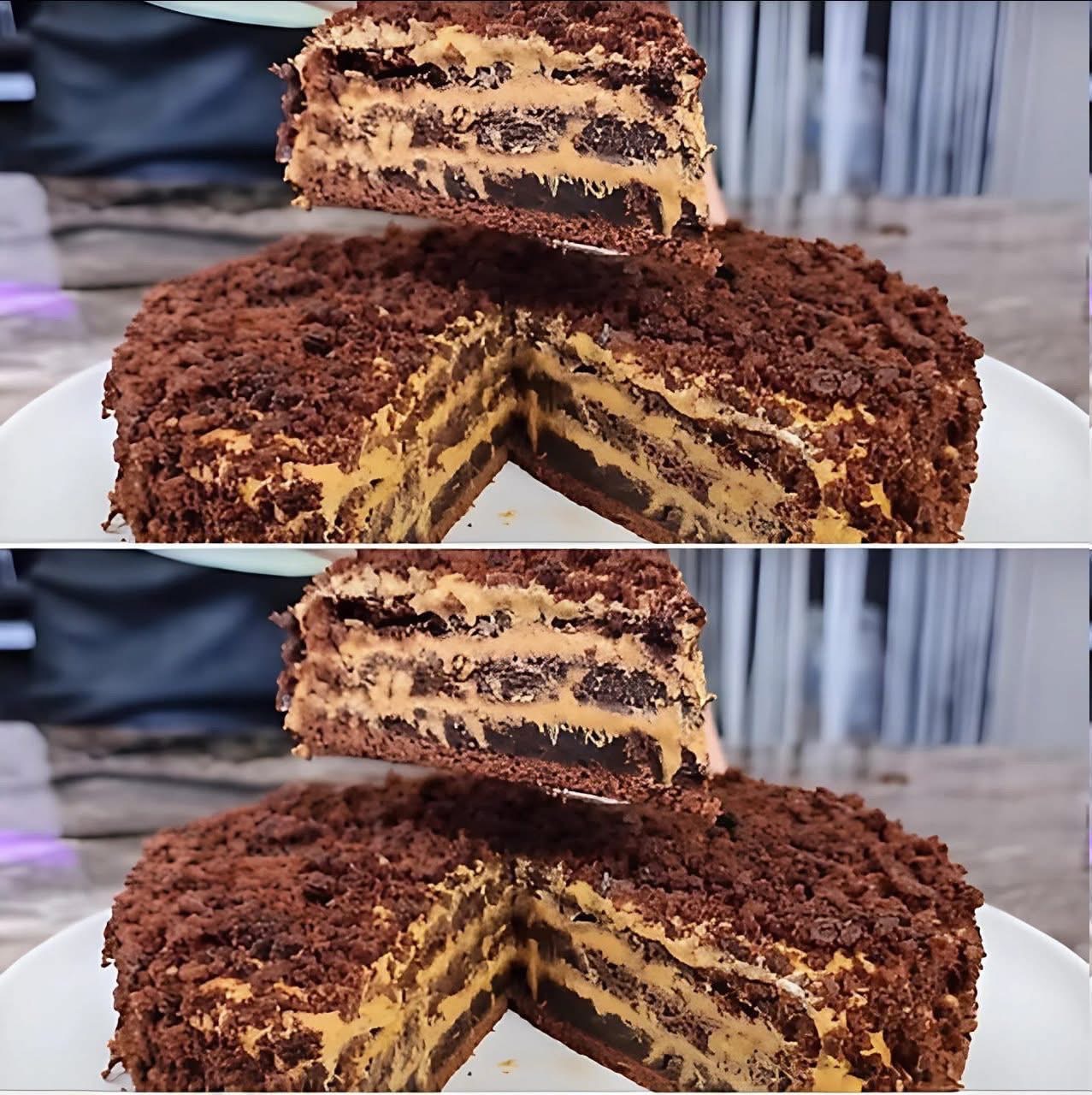
It sounds like you’ve discovered the wonderful world of “3 Cups” or “3 Glasses” cakes! The name “Hit for Every Homemaker” is so fitting because the beauty of this concept is its incredible simplicity and adaptability. It’s not just one single recipe, but a whole family of cakes built on the easy, memorable principle of using a cup or glass as your primary measuring tool.
This method is a true gift for home bakers, as it requires no scales and very little equipment, yet consistently delivers delicious results. Think of it as your new favorite baking “hack.”
Here’s a breakdown of the different delicious directions a “3 Cups” cake can take.
🥄 The Core Idea: Measuring by Cup, Not by Scale
The magic behind all these recipes is their simplicity. You use one standard cup (like a tea or coffee mug, or a 250ml measuring cup) to measure the main ingredients, making the recipe incredibly easy to remember and adapt. While the specific ingredients vary, the “3 Cups” in the title usually refers to the three primary dry or wet components measured with that single cup.
To give you a better idea, here are a few popular versions of this versatile cake:
Cake Variation Key “3 Cups” Ingredients Flavor & Texture Profile
Classic Kefir Cake 1 cup kefir, 1 cup sugar, 1 cup flour A moist, fluffy sponge cake with a slight tang from the kefir, often paired with a rich, creamy filling like boiled condensed milk and sour cream .
Swedish Midsummer Cake 5 eggs, 1 cup sugar, 1 cup flour A super light and airy European-style cake, where the volume of the eggs determines the amount of sugar and flour. It’s filled with pastry cream and jam .
Apple & Pumpkin Cake 1 cup semolina, 1 cup flour, 1 cup sugar A heartier, denser cake with a lovely texture from the semolina and grated fruit. It’s layered with apples, pumpkin, and nuts for a rustic feel .
✨ Tips for “3 Cups” Cake Success
No matter which version you choose, these tips will help ensure your cake is a hit every time.
· The Right Cup: The most important tool is your chosen “cup.” Use a standard 250ml (8oz) measuring cup or a consistent tea/coffee mug for all your ingredients to ensure the ratios are correct .
· Drain Wet Fruits: If you’re adding fruits like pineapple (from your previous cake!) or pumpkin, make sure to drain or grate them well so they don’t make the cake soggy .
· Don’t Overmix: Just like with your lemon yogurt cake, mix the batter until the ingredients are just combined. Overmixing can develop the gluten and make the cake tough instead of tender .
· Room Temperature Ingredients: For the fluffiest result, try to have your eggs, kefir, or other dairy ingredients at room temperature before you start. They emulsify much better into the batter.
💡 Which “3 Cups” Cake Will You Try?
Based on your baking journey, I have a feeling you might enjoy the Classic Kefir Cake . It shares the same spirit of simplicity and reliability as the lemon yogurt cake, but offers a new flavor profile with its tangy kefir and luscious cream filling.
However, if you’re feeling a bit more adventurous, the Swedish Midsummer Cake is a fantastic next step. It’s a beautiful, show-stopping dessert that still relies on that easy, memorable “3-cup” method.
I hope this gives you a wonderful new world of “3 Cups” cakes to explore. Which one are you thinking of trying first? I’d love to hear how it turns out