

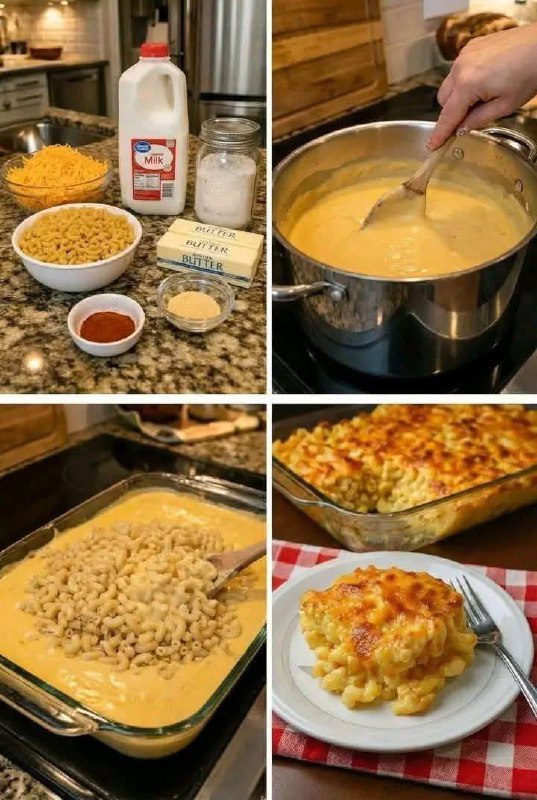
Introduction
There are few dishes that evoke such widespread joy and comfort as a perfectly baked macaroni and cheese. It’s more than just a meal; it’s a warm hug on a plate, a nostalgic trip back to childhood, and the ultimate crowd-pleaser for any gathering. From potlucks to holiday dinners, or simply a cozy night in, this iconic dish holds a special place in hearts and on tables around the world. Its universal appeal lies in its simplicity yet profound satisfaction, delivering a harmonious blend of textures and flavors that truly hit the spot.
This particular recipe elevates the classic to new heights, promising a baked macaroni and cheese that is truly irresistible. Imagine a golden, bubbly crust, kissed with a hint of spice, giving way to an interior of tender pasta swimming in an unbelievably creamy, rich, and gooey cheese sauce. Every forkful is a symphony of savory notes, with the sharp tang of cheddar perfectly balanced by the smooth dairy. We’re talking about a dish that doesn’t just fill you up, but nourishes your soul, leaving you utterly content and craving just one more bite.
While the thought of making macaroni and cheese from scratch might seem daunting to some, this recipe breaks it down into manageable, enjoyable steps. Forget the boxed versions; once you experience the depth of flavor and superior texture of homemade, you’ll never look back. We’ll guide you through crafting a silky-smooth cheese sauce from scratch, ensuring every ingredient plays its part in creating a masterpiece. Get ready to impress your family and friends, and most importantly, treat yourself to the ultimate comfort food experience that is surprisingly easy to achieve.
Nutritional Information
Per serving (approximate values):
- Calories: 550
- Protein: 25g
- Carbohydrates: 45g
- Fat: 30g
- Fiber: 2g
- Sodium: 850mg
Ingredients
- 1 pound elbow macaroni
- 1/2 cup unsalted butter (1 stick)
- 1/2 cup all-purpose flour
- 4 cups whole milk, warmed
- 1 teaspoon salt, plus more for pasta water
- 1/2 teaspoon garlic powder
- 1/4 teaspoon black pepper
- 1/4 teaspoon paprika, plus more for topping (optional)
- 1/4 teaspoon ground mustard (optional, but highly recommended for depth)
- 4 cups (about 1 pound) sharp cheddar cheese, freshly shredded, divided
- 1 cup (about 4 ounces) Gruyere cheese, freshly shredded (optional, for extra flavor)
Instructions
- Preheat your oven to 375°F (190°C). Lightly grease a 9×13 inch baking dish.
- Cook the Pasta: Bring a large pot of salted water to a rolling boil. Add the elbow macaroni and cook according to package directions until al dente, about 7-8 minutes. Remember, the pasta will continue to cook in the oven, so slightly undercooking it is key to avoiding mushy results. Drain the pasta thoroughly and set aside. Do not rinse.
- Make the Roux: In a large, heavy-bottomed saucepan or Dutch oven, melt the butter over medium heat. Once the butter is fully melted and foamy, sprinkle in the all-purpose flour. Whisk constantly for 1-2 minutes until a smooth paste forms and it starts to smell slightly nutty. This is your roux, the thickening agent for your cheese sauce. Cooking it briefly helps remove the raw flour taste.
- Create the Béchamel: Gradually whisk in the warmed whole milk, a little at a time, ensuring each addition is fully incorporated before adding more. Continue whisking constantly to prevent lumps from forming. Bring the mixture to a gentle simmer, still whisking, until the sauce thickens enough to coat the back of a spoon, about 5-7 minutes. It should be smooth and creamy.
- Season the Sauce: Remove the saucepan from the heat. Stir in the salt, garlic powder, black pepper, paprika, and ground mustard (if using). Whisk well to combine the seasonings evenly throughout the béchamel.
- Incorporate the Cheese: Add 3 cups of the shredded sharp cheddar cheese and all of the shredded Gruyere cheese (if using) to the béchamel sauce. Stir continuously until the cheeses are completely melted and the sauce is smooth and glossy. Taste the sauce and adjust seasonings if necessary. It should be rich, creamy, and flavorful.
- Combine Pasta and Sauce: Add the drained, cooked macaroni to the cheese sauce in the saucepan. Gently fold the pasta into the sauce until every piece is evenly coated.
- Assemble for Baking: Pour the macaroni and cheese mixture into the prepared 9×13 inch baking dish, spreading it evenly.
- Add Topping: Sprinkle the remaining 1 cup of shredded sharp cheddar cheese over the top of the macaroni and cheese. For an extra touch of color and a subtle smoky flavor, you can lightly dust the top with a pinch more paprika.
- Bake to Perfection: Place the baking dish in the preheated oven. Bake for 20-25 minutes, or until the top is golden brown and bubbly, and the edges are lightly browned. If you like a crispier top, you can briefly broil it for the last 1-2 minutes, but watch it very carefully to prevent burning.
- Rest and Serve: Once baked, remove the mac and cheese from the oven and let it rest for 5-10 minutes. This allows the sauce to set slightly, making it easier to serve and preventing it from being too runny. Serve hot and enjoy your homemade masterpiece!
Cooking Tips and Variations
Achieving the perfect baked macaroni and cheese is an art, and these tips will help you master it. First and foremost, freshly grate your cheese. Pre-shredded cheeses often contain anti-caking agents like cellulose, which can prevent them from melting smoothly and result in a grainy sauce. Grating cheese from a block takes a little extra effort but yields significantly better results, creating a velvety, gooey texture that is truly unparalleled. For the best flavor, use high-quality sharp cheddar; its robust taste stands up well to the richness of the sauce and baking process. Don’t be afraid to experiment with a blend of cheeses; combining sharp cheddar with a nutty Gruyere, a tangy white cheddar, or even a little Monterey Jack can add wonderful complexity and a fantastic melt.
When making your roux, the foundation of your cheese sauce, ensure you cook the flour and butter for at least 1-2 minutes until it smells slightly nutty. This crucial step eliminates the raw flour taste that can otherwise linger in your sauce. When adding the milk, warm it slightly first. Adding cold milk to a hot roux can cause the sauce to seize up and become lumpy. Whisk constantly and vigorously as you gradually incorporate the milk to create a smooth béchamel. If you do end up with a few lumps, don’t despair! You can often remove them by pressing the sauce through a fine-mesh sieve before adding the cheese, though continuous whisking usually prevents this.
The consistency of your cheese sauce is paramount. It should be thick enough to coat the back of a spoon but still pourable. Remember, it will thicken further as it cools and bakes, so don’t aim for an overly thick sauce initially. Taste your sauce before adding the pasta and adjust seasonings as needed. A pinch of nutmeg, while seemingly unusual, is a classic addition to cheese sauces and enhances their savory notes without making the dish taste like nutmeg. For the pasta, cooking it al dente is non-negotiable. It will finish cooking in the hot cheese sauce and oven, absorbing flavor and remaining tender rather than turning into an unappetizing mush.
To achieve that coveted golden, crispy top, consider adding a little extra shredded cheese or a mixture of cheese and panko breadcrumbs to the very top before baking. The panko breadcrumbs will give an extra crunch that contrasts beautifully with the creamy interior. If your oven has a convection setting, using it can help achieve an even crispier crust. Just keep a close eye on it to prevent burning. Finally, don’t underestimate the power of resting time. Allowing the baked macaroni and cheese to sit for 5-10 minutes after it comes out of the oven allows the sauce to re-set, making for cleaner scoops and preventing it from being too runny when served, ensuring each portion holds its shape beautifully.
Beyond these essential tips, the beauty of baked macaroni and cheese lies in its versatility for variations. To add a protein punch, consider stirring in cooked, crumbled bacon, diced ham, shredded chicken, or even cooked ground beef to the pasta and sauce mixture before baking. For a hint of smoky flavor, a dash of smoked paprika or a teaspoon of liquid smoke can be a game-changer. Vegetable additions can also elevate the dish; blanched broccoli florets, sautéed mushrooms, caramelized onions, or roasted butternut squash pair wonderfully with the creamy cheese. For those who enjoy a bit of heat, a pinch of cayenne pepper or a dash of hot sauce can be mixed into the cheese sauce. You can also experiment with different pasta shapes; while elbow macaroni is classic, cavatappi, small shells, or penne also work well, offering different textures and holding the sauce beautifully. The possibilities are endless, allowing you to truly make this comfort food classic your own.
Storage and Reheating
Baked macaroni and cheese, while best enjoyed fresh from the oven, can be stored and reheated successfully with a few simple techniques to maintain its deliciousness. Allow any leftover macaroni and cheese to cool completely to room temperature before transferring it to an airtight container. This prevents condensation from forming and making the dish watery. It can be stored in the refrigerator for up to 3-4 days.
For reheating, the oven is generally the best method to revive its original texture and prevent it from drying out. Preheat your oven to 300-325°F (150-160°C). Place the leftover macaroni and cheese in an oven-safe dish. To help retain moisture and creaminess, you can add a splash of milk or cream (about 1-2 tablespoons per serving) over the top before covering the dish tightly with aluminum foil. Bake for 20-30 minutes, or until completely heated through and bubbly. Remove the foil for the last 5-10 minutes if you desire to crisp up the topping again. Avoid overheating, as this can cause the cheese sauce to separate or become oily.
Alternatively, you can reheat individual portions in the microwave. Place a serving in a microwave-safe bowl, add a tablespoon of milk or cream, and cover loosely. Heat on 50% power for 1-2 minutes, stirring halfway through, until warmed through. Be cautious not to overheat, as this can make the pasta tough and the sauce greasy. While the microwave is quicker, it won’t replicate the crispy top of oven-reheated or freshly baked mac and cheese.
Baked macaroni and cheese also freezes well. Once completely cooled, portion it into freezer-safe containers or wrap tightly in aluminum foil and then plastic wrap. It can be stored in the freezer for up to 2-3 months. When ready to enjoy, thaw the frozen mac and cheese in the refrigerator overnight. Then, reheat it in the oven using the instructions above, adding a bit more milk or cream if needed to restore its creamy consistency. Freezing and reheating may slightly alter the texture of the sauce, but it will still be a comforting and satisfying meal.
Frequently Asked Questions
What kind of cheese is best for baked macaroni and cheese?
For a classic and robust flavor, sharp cheddar cheese is highly recommended. Its distinct taste stands up well to baking. For added complexity and gooeyness, consider a blend that includes Gruyere, Monterey Jack, or even a mild white cheddar. The key is to use good quality cheese and, if possible, shred it yourself from a block to avoid anti-caking agents found in pre-shredded varieties, which can make the sauce grainy.
How do I prevent my cheese sauce from being lumpy?
The secret to a smooth cheese sauce lies in the roux and how you add the milk. Ensure you whisk the butter and flour together thoroughly when making the roux, cooking it for a minute or two. Then, gradually whisk in warmed milk, a little at a time, ensuring each addition is fully incorporated before adding more. Continuous and vigorous whisking during this process is crucial. If lumps do form, you can often remove them by pressing the sauce through a fine-mesh sieve before adding the cheese.
Can I make baked macaroni and cheese ahead of time?
Yes, you can prepare baked macaroni and cheese ahead of time. You can assemble the entire dish (combining pasta and sauce, and topping with cheese) and then cover it tightly and refrigerate for up to 24 hours before baking. When ready to bake, let it sit at room temperature for about 30 minutes while your oven preheats, then bake as directed, potentially adding an extra 5-10 minutes to the baking time to ensure it’s heated through. For best results, however, baking it fresh is ideal for optimal texture and creaminess.
Why did my baked macaroni and cheese turn out dry?
Several factors can lead to dry baked macaroni and cheese. Overcooking the pasta initially can make it absorb too much sauce during baking, leading to dryness. An overly thick cheese sauce can also result in a dry dish, as it will thicken further in the oven. Additionally, baking for too long or at too high a temperature can evaporate moisture from the sauce. To prevent dryness, cook pasta al dente, ensure your sauce is creamy but not overly thick, and bake only until bubbly and golden, not beyond.