

Introduction
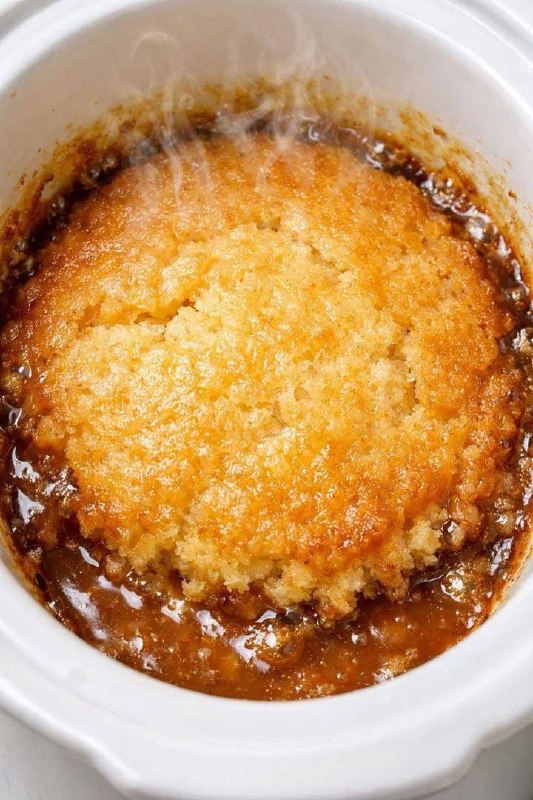
Imagine a chilly evening, the kind that whispers for something warm and deeply satisfying. Now, picture a dessert that delivers exactly that: a tender, golden sponge floating atop a luscious, bubbling pool of rich butterscotch sauce. This, my friends, is the magic of Butterscotch Sponge Pudding, a true hug in a bowl that promises to banish the cold and bring a smile to every face. It’s a dessert that speaks of comfort, nostalgia, and simple, unadulterated indulgence, making it an instant classic for family meals and cozy gatherings.
What makes this pudding so incredibly special is its ingenious “self-saucing” nature. As it bakes or steams, a light and airy cake-like topping forms, while beneath it, a decadent butterscotch sauce magically creates itself, thickening and caramelizing into a sweet, gooey dream. The aroma alone is enough to draw everyone to the kitchen – a warm, buttery fragrance with hints of brown sugar that promises a truly delightful experience. Each spoonful offers a perfect contrast: the delicate fluffiness of the sponge against the rich, molten sweetness of the butterscotch, creating a symphony of textures and flavors that is utterly irresistible.
This Butterscotch Sponge Pudding isn’t just delicious; it’s also remarkably straightforward to make, proving that some of the most impressive desserts can be achieved with minimal fuss. Whether you’re a seasoned baker or just starting your culinary journey, this recipe offers a rewarding experience with spectacular results. Perfect for warding off the winter chill, celebrating a special occasion, or simply treating yourself to a moment of pure bliss, this pudding is destined to become a beloved staple in your dessert repertoire. Get ready to dive spoon-first into a warm, buttery, and utterly unforgettable delight!
Nutritional Information
Per serving (approximate values):
- Calories: 450 kcal
- Protein: 5g
- Carbohydrates: 60g
- Fat: 22g
- Fiber: 1g
- Sodium: 250mg
Ingredients
For the Butterscotch Sauce:
- 1/2 cup (113g) unsalted butter, melted
- 1 cup (200g) packed light brown sugar
- 1 1/2 cups (360ml) hot water or milk (for a richer sauce)
- 1 teaspoon vanilla extract (optional, but recommended)
- Pinch of salt (optional, for balance)
For the Sponge Topping:
- 1 1/4 cups (150g) all-purpose flour
- 1 1/2 teaspoons baking powder
- 1/4 teaspoon salt
- 1/2 cup (113g) unsalted butter, softened
- 1/2 cup (100g) granulated sugar
- 1 large egg, at room temperature
- 1 teaspoon vanilla extract
- 1/2 cup (120ml) milk, at room temperature
Instructions
- Preheat your oven to 350°F (175°C). Lightly grease an 8×8 inch (20×20 cm) baking dish or 6-8 individual ramekins.
- Prepare the Butterscotch Sauce: In a medium saucepan, combine the melted butter and packed light brown sugar. Stir over medium heat until the sugar has dissolved and the mixture is smooth and bubbling gently.
- Carefully whisk in the hot water or milk, vanilla extract (if using), and a pinch of salt (if using). Continue to stir until the sauce is smooth and slightly thickened. This will happen quickly.
- Pour the hot butterscotch sauce evenly into the bottom of your prepared baking dish or divide it among the individual ramekins. Set aside.
- Prepare the Sponge Topping: In a medium bowl, whisk together the all-purpose flour, baking powder, and salt. Set aside.
- In a large mixing bowl, using an electric mixer, cream together the softened unsalted butter and granulated sugar until light and fluffy, about 2-3 minutes.
- Beat in the large egg and vanilla extract until well combined, scraping down the sides of the bowl as needed. The mixture may look slightly curdled at this point, which is normal.
- Gradually add the dry ingredient mixture to the wet ingredients, alternating with the milk, beginning and ending with the dry ingredients. Mix on low speed until just combined and no streaks of flour remain. Be careful not to overmix, as this can lead to a tough sponge.
- Assemble and Bake: Gently spoon the sponge batter evenly over the hot butterscotch sauce in the baking dish or ramekins. Do not stir or mix the layers. The batter will naturally spread to cover the sauce.
- Place the baking dish or ramekins on a baking sheet (to catch any potential drips) and bake in the preheated oven for 30-35 minutes for a large dish, or 20-25 minutes for individual ramekins, or until the sponge topping is golden brown, firm to the touch, and a wooden skewer inserted into the sponge (not into the sauce) comes out clean.
- Once baked, remove the pudding from the oven and let it stand for 5-10 minutes before serving. This allows the sauce to settle and thicken slightly.
- Serving: Serve warm, directly from the dish or carefully invert individual puddings onto serving plates. Spoon extra butterscotch sauce from the bottom over the sponge.
Cooking Tips and Variations
For the ultimate Butterscotch Sponge Pudding, precision and a few clever tricks can make all the difference. Firstly, ensure all your sponge ingredients are at room temperature. This allows them to emulsify better, creating a smoother batter and a lighter, more tender sponge. Don’t rush the creaming of the butter and sugar for the sponge; this step incorporates air, which is crucial for a fluffy texture. When adding the dry ingredients to the wet, mix just until combined. Overmixing develops the gluten in the flour, resulting in a tough sponge, which is the last thing you want in a delicate pudding. The hot sauce is key to the self-saucing magic; pouring the sponge batter directly over the hot sauce ensures it sinks slightly and creates that rich, gooey layer underneath as it bakes. Avoid opening the oven door too frequently, especially during the first two-thirds of the baking time, as sudden temperature drops can cause the sponge to sink.
To tell if your sponge is perfectly cooked, it should be golden brown on top and spring back lightly when gently pressed in the center. A wooden skewer inserted into the sponge (not dipping into the sauce) should come out clean. If using individual ramekins, baking time will be significantly less, so start checking for doneness earlier. For a truly decadent touch, consider browning the butter for the butterscotch sauce before adding the brown sugar; this adds a nutty, complex depth of flavor that elevates the sauce even further. A pinch of flaky sea salt sprinkled over the top just before serving can also beautifully contrast and enhance the sweetness of the butterscotch.
The beauty of this pudding also lies in its versatility. While classic butterscotch is divine, you can introduce subtle flavor variations. A dash of rum extract or a tablespoon of dark rum added to the butterscotch sauce can impart a sophisticated warmth. For a spiced pudding, a pinch of ground cinnamon or nutmeg can be folded into the sponge batter. If you’re a fan of nuts, a scattering of toasted pecans or walnuts over the sauce before adding the sponge would add a lovely textural contrast and nutty flavor. For a citrusy twist, a teaspoon of orange zest could be added to the sponge. This recipe is also easily adaptable for individual servings using ramekins, which is fantastic for portion control and presentation. Just remember to adjust baking times accordingly.
Storage and Reheating
Butterscotch Sponge Pudding is undoubtedly best enjoyed warm, fresh from the oven, when the sponge is at its fluffiest and the sauce is at its most molten and bubbling. However, if you find yourself with leftovers (a rare but possible occurrence!), proper storage and reheating can ensure you still get to enjoy its comforting deliciousness.
To store, allow the pudding to cool completely to room temperature. Once cooled, cover the baking dish tightly with plastic wrap or aluminum foil, or transfer individual portions to airtight containers. The pudding can be stored in the refrigerator for up to 3-4 days. While the sponge will lose some of its initial lightness and the sauce may thicken considerably, the flavors will remain delightful.
Reheating is straightforward and will revive much of the pudding’s charm. For individual portions, the microwave is your quickest option. Place a portion in a microwave-safe dish and heat on medium power for 30-60 seconds, or until warmed through and the sauce is bubbling again. Be careful not to overheat, as this can dry out the sponge. For a larger pudding or if you prefer a ‘fresher’ reheat, you can use the oven. Preheat your oven to 300°F (150°C). Cover the pudding with aluminum foil to prevent the sponge from drying out, and bake for 15-25 minutes, or until thoroughly heated. The sauce will become liquid and bubbly again, and the sponge will soften. Always serve immediately after reheating for the best experience, perhaps with a fresh dollop of cream or a scoop of ice cream.
Frequently Asked Questions
What is a self-saucing pudding?
A self-saucing pudding is a magical dessert where the batter is placed over a liquid sauce base in a single baking dish. As the pudding bakes, the cake-like topping rises to the top, while the liquid base transforms into a rich, thick, and bubbling sauce underneath and around the sponge. This creates a delightful two-layered dessert with minimal effort.
Can I make this pudding ahead of time?
While Butterscotch Sponge Pudding is truly best served warm straight from the oven for the ultimate gooey sauce and fluffy sponge experience, you can prepare components ahead. The sauce can be made and stored in the refrigerator for up to 3 days, and the dry ingredients for the sponge can be mixed. However, for the best results, the sponge batter should be mixed just before baking, and the pudding baked and served fresh.
What can I use if I don’t have brown sugar for the butterscotch sauce?
Brown sugar is essential for that signature butterscotch flavor and rich color. However, if you’re in a pinch, you can create a substitute by combining granulated sugar with a small amount of molasses (about 1 tablespoon of molasses per 1 cup of granulated sugar). This will give you a similar flavor profile and moisture content, though the depth of flavor might vary slightly.
My sauce seems too thin/too thick. What went wrong?
If your sauce is too thin, it might be due to not enough simmering time for the initial butter and sugar mixture, or too much liquid added. You can try to gently simmer it a bit longer on the stovetop (before adding the sponge) to reduce it slightly. If it’s too thick, you can whisk in a tablespoon or two of hot water or milk until it reaches your desired consistency. Remember, the sauce will thicken further as it cools.