

Introduction
Step into a world of classic comfort with a dish that has graced dinner tables for generations: Liver and Onions. This isn’t just a meal; it’s a culinary hug, a hearty embrace of savory flavors and tender textures that evoke nostalgia and satisfy the soul. Often overlooked in today’s fast-paced culinary landscape, Liver and Onions remains a beloved staple for those who appreciate its rich history and undeniable deliciousness. It’s a testament to simple, wholesome ingredients transformed into something truly extraordinary, proving that some of the best dishes are those that have stood the test of time.
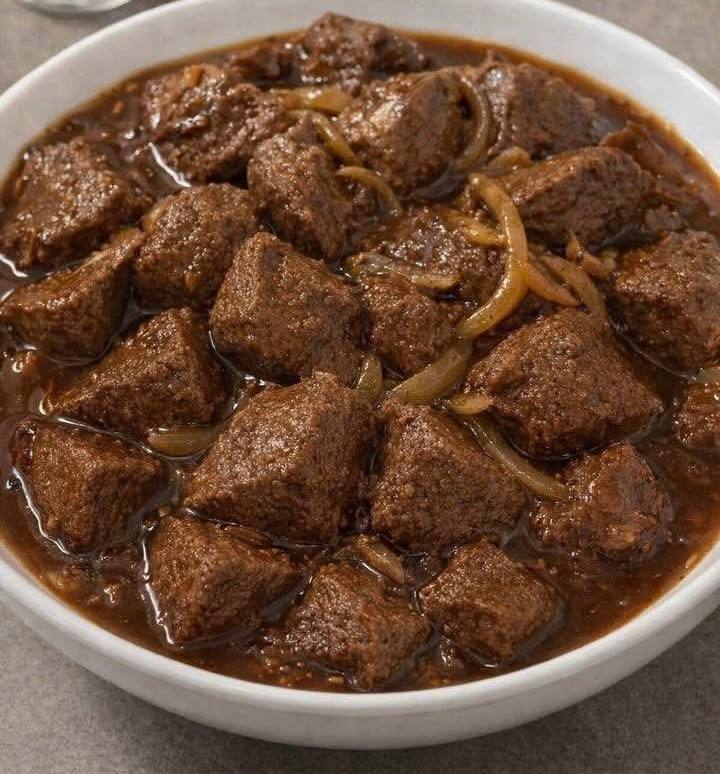
Our recipe elevates this traditional favorite to new heights, focusing on perfectly seared, melt-in-your-mouth liver nestled amongst beautifully caramelized onions, all bathed in a deeply flavorful, velvety gravy. We debunk the myth that liver is tough or bitter, instead guiding you to achieve a tender, subtly sweet, and umami-rich experience. This isn’t your grandmother’s *dry* Liver and Onions; this is a modern ode to a classic, designed to convert even the most hesitant eaters into ardent fans. Prepare to rediscover a dish that is not only incredibly satisfying but also surprisingly easy to master, making it a perfect weeknight meal or a comforting weekend indulgence.
Beyond its incredible taste, Liver and Onions offers a powerhouse of nutrition, packed with essential vitamins and minerals often missing from modern diets. It’s a dish that truly nourishes the body while delighting the palate. Our special approach ensures that every bite is a harmonious blend of savory, slightly sweet, and rich flavors, with a gravy so good you’ll want to lick the plate clean. Get ready to create a meal that will earn you rave reviews and become a cherished part of your family’s recipe repertoire.
Nutritional Information
Per serving (approximate values):
- Calories: 450-500
- Protein: 35-40g
- Carbohydrates: 25-30g
- Fat: 20-25g
- Fiber: 3-5g
- Sodium: 600-700mg
Ingredients
- 1.5 pounds beef liver, sliced into 1/2-inch thick pieces
- 2 cups whole milk or buttermilk (for soaking)
- 1/2 cup all-purpose flour
- 1 teaspoon salt, plus more to taste
- 1/2 teaspoon black pepper, plus more to taste
- 3 tablespoons unsalted butter, divided
- 2 tablespoons olive oil, divided
- 2 large yellow onions, thinly sliced
- 2 cloves garlic, minced
- 2 cups beef broth, low sodium
- 1 tablespoon Worcestershire sauce
- 1 teaspoon fresh thyme leaves, chopped
- 1/4 teaspoon dried bay leaf (optional)
- 2 tablespoons fresh parsley, chopped, for garnish
Instructions
- Prepare the Liver: Place the liver slices in a shallow dish and pour milk or buttermilk over them, ensuring all pieces are submerged. Cover and refrigerate for at least 30 minutes, or up to 2 hours. This step helps to tenderize the liver and reduce any gamey flavor. After soaking, remove the liver from the milk, pat thoroughly dry with paper towels, and trim any visible membranes or tough veins.
- Season the Liver: In a shallow dish or plate, combine the flour, 1 teaspoon salt, and 1/2 teaspoon black pepper. Dredge each piece of dried liver in the seasoned flour, shaking off any excess. Set aside.
- Sauté the Onions: In a large, heavy-bottomed skillet or Dutch oven, melt 1 tablespoon of butter and 1 tablespoon of olive oil over medium-low heat. Add the thinly sliced onions and cook slowly, stirring occasionally, for 15-20 minutes, or until the onions are deeply caramelized, soft, and golden brown. This slow process is key to developing their natural sweetness. Add the minced garlic during the last 2-3 minutes of cooking. Remove the onions and garlic from the skillet and set aside.
- Sear the Liver: Increase the heat to medium-high. Add the remaining 2 tablespoons of butter and 1 tablespoon of olive oil to the same skillet. Once the butter is melted and shimmering, add the floured liver pieces in a single layer, being careful not to overcrowd the pan. You may need to work in batches. Sear for 2-3 minutes per side until a beautiful golden-brown crust forms and the liver is cooked through but still slightly pink in the center. Overcooking will make the liver tough. Remove the seared liver from the pan and set aside with the onions.
- Build the Gravy: If there’s excess fat in the pan, drain all but 1 tablespoon. Sprinkle any remaining seasoned flour from dredging the liver into the pan, whisking constantly for 1 minute to cook out the raw flour taste, creating a roux.
- Deglaze and Simmer: Gradually pour in the beef broth, whisking continuously to prevent lumps. Add the Worcestershire sauce, fresh thyme, and bay leaf (if using). Bring the gravy to a gentle simmer, stirring occasionally, and cook for 5-7 minutes, or until the gravy thickens to your desired consistency.
- Combine and Finish: Return the seared liver and caramelized onions to the skillet with the gravy. Gently stir to coat everything evenly. Heat through for 1-2 minutes, allowing the flavors to meld. Taste and adjust seasoning with more salt and pepper if needed.
- Serve: Garnish generously with fresh chopped parsley and serve immediately.
Cooking Tips and Variations
The secret to truly tender liver lies in not overcooking it. Liver cooks remarkably fast, so keep a close eye on it during searing. Aim for a beautiful golden-brown crust on the outside and a slightly pink, tender interior. A good indicator is when the liver feels firm but still has a slight give when pressed. Soaking the liver in milk or buttermilk is a crucial step that helps draw out impurities, neutralize any strong flavors, and tenderize the meat, making it more palatable and enjoyable. Don’t skip this! When caramelizing the onions, patience is your best friend. Cooking them slowly over low heat allows their natural sugars to develop, resulting in a deep, sweet flavor that perfectly balances the richness of the liver and gravy. Rushing them will result in burnt or bitter onions.
For an extra layer of flavor in your gravy, consider deglazing the pan with a splash of red wine (about 1/4 cup) after searing the liver and before adding the flour for the roux. Let it simmer and reduce by half before proceeding. If you prefer a richer gravy, you can use homemade beef stock instead of store-bought broth. For a slightly different texture, some people prefer to add a touch of heavy cream to the gravy at the very end for a silkier finish. To add a subtle tang and brightness, a tiny splash of balsamic vinegar or a squeeze of fresh lemon juice can be stirred into the gravy just before serving. Experiment with different herbs; sage or rosemary can also complement the flavors beautifully. If you’re not a fan of beef liver, this recipe works wonderfully with calf liver, which is even more tender and mild, or even chicken livers, though cooking times will need to be adjusted significantly for the latter.
To ensure a lump-free gravy, always whisk continuously when adding the liquid to the roux. If lumps do form, a quick pass through a fine-mesh sieve before adding the liver and onions will smooth it out. Don’t be afraid to taste and adjust your seasonings. The depth of flavor in the gravy is paramount, so ensure it’s perfectly balanced with salt, pepper, and the savory notes from the Worcestershire sauce and broth. Serving suggestions include creamy mashed potatoes, fluffy white rice, polenta, or even crusty bread to soak up every drop of that delicious gravy. A side of steamed green beans or sautéed spinach would add a fresh counterpoint to the richness of the dish.
Storage and Reheating
To store leftover Liver and Onions, allow the dish to cool completely to room temperature first. Transfer it to an airtight container and refrigerate promptly. It will keep well in the refrigerator for up to 3-4 days. For longer storage, you can freeze Liver and Onions. Place the cooled dish in a freezer-safe container or heavy-duty freezer bags, removing as much air as possible to prevent freezer burn. It can be frozen for up to 2-3 months. Thaw frozen Liver and Onions in the refrigerator overnight before reheating.
When reheating, the goal is to warm it through gently without overcooking the liver further, which can make it tough. For best results, reheat Liver and Onions on the stovetop over medium-low heat. Transfer the leftovers to a skillet or saucepan and add a splash of beef broth or water to help loosen the gravy and prevent it from drying out. Stir occasionally until heated through. You can also reheat it in the microwave, using short intervals (30-60 seconds) and stirring in between, until hot. Be cautious not to overheat, as this can make the liver rubbery. If the gravy has thickened too much upon reheating, simply add a little more broth or water to reach your desired consistency.
Frequently Asked Questions
Why do you soak liver in milk?
Soaking liver in milk or buttermilk is a traditional and highly effective method for several reasons. Firstly, the lactic acid in milk helps to tenderize the liver, making it more palatable. Secondly, it helps to draw out any residual blood and impurities, which can contribute to a stronger, more gamey flavor. This process results in a milder, sweeter, and more tender final product, making the liver more enjoyable, especially for those who might be hesitant about eating it.
How do I prevent my liver from becoming tough?
The primary reason liver becomes tough is overcooking. Liver cooks very quickly, so the key is to sear it rapidly over medium-high heat for just 2-3 minutes per side, depending on thickness. You want a nice golden-brown crust with the interior still slightly pink and tender. Additionally, soaking the liver in milk beforehand helps tenderize it, and slicing it to a consistent 1/2-inch thickness ensures even and quick cooking.
Can I make the gravy without flour?
Yes, you can make a gluten-free gravy for Liver and Onions. Instead of all-purpose flour, you can use a gluten-free all-purpose flour blend or cornstarch as a thickening agent. If using cornstarch, create a slurry by whisking 1-2 tablespoons of cornstarch with an equal amount of cold water or broth until smooth. Add this slurry to the simmering broth mixture at the end, whisking constantly, and cook until the gravy thickens. You will not create a roux with cornstarch; rather, it is added at the end to thicken the liquid.