

Introduction
Ah, pancakes. Just the word conjures images of cozy mornings, stacks of golden deliciousness, and the sweet aroma of breakfast bliss. For many, pancakes are a quintessential comfort food, a weekend ritual, or even a nostalgic treat. But for those embracing a ketogenic lifestyle, the traditional pancake, laden with refined flours and sugars, often feels like a distant, carb-heavy dream. The good news? That dream is about to become a delicious, low-carb reality! Get ready to reclaim your breakfast joy with these incredible Keto Pancakes – a recipe designed to deliver all the fluffy satisfaction without derailing your macros.
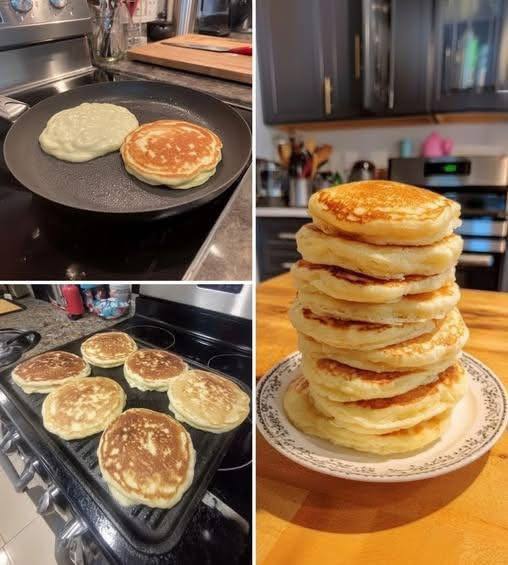
This isn’t just another “keto-fied” attempt that leaves you with rubbery, dense discs. We’re talking about genuinely light, tender, and perfectly golden-brown pancakes that rival their carb-heavy counterparts. Whether you’re a seasoned keto veteran or just starting your low-carb journey, these pancakes are about to become a staple in your kitchen. They’re incredibly easy to whip up, versatile enough to pair with any topping, and promise to satisfy those pancake cravings in the most delicious way possible.
What makes these keto pancakes stand out? It’s a careful balance of keto-friendly flours, the right leavening agents, and a touch of sweetness that creates an unbelievably fluffy texture and a subtly sweet flavor. Forget the days of sacrificing taste or texture for your dietary goals. These pancakes are proof that you can have your stack and eat it too, enjoying a hearty, satisfying breakfast that keeps you full and energized throughout the morning, all while staying firmly in ketosis.
Nutritional Information
Per serving (approximate values):
- Calories: 320
- Protein: 12g
- Carbohydrates: 6g
- Fat: 28g
- Fiber: 3g
- Sodium: 280mg
Ingredients
- 1/2 cup almond flour, superfine
- 2 tablespoons coconut flour
- 1 tablespoon erythritol or monk fruit sweetener (or to taste)
- 1 teaspoon baking powder
- 1/4 teaspoon salt
- 2 large eggs
- 1/2 cup unsweetened almond milk (or heavy cream for richer pancakes)
- 2 tablespoons melted unsalted butter or coconut oil, plus more for greasing the pan
- 1 teaspoon vanilla extract
Instructions
- In a large mixing bowl, whisk together the almond flour, coconut flour, erythritol, baking powder, and salt. Make sure there are no lumps in the dry ingredients.
- In a separate medium bowl, whisk together the eggs, almond milk, melted butter or coconut oil, and vanilla extract until well combined and smooth.
- Pour the wet ingredients into the dry ingredients. Mix gently with a whisk or spatula until just combined. The batter will be thick. Do not overmix; a few small lumps are fine.
- Let the batter rest for 5-10 minutes. This allows the flours to hydrate and thickens the batter, which is crucial for fluffy keto pancakes.
- While the batter rests, heat a non-stick skillet or griddle over medium-low heat. Lightly grease the pan with a small amount of butter or coconut oil.
- Once the pan is hot, pour about 1/4 cup of batter per pancake onto the griddle. You may need to spread the batter slightly with the back of a spoon to form a round shape, as keto batter is thicker than traditional pancake batter.
- Cook for 2-4 minutes per side, or until golden brown and cooked through. Look for small bubbles forming on the surface and the edges setting before flipping. Keto pancakes often take a bit longer to cook than traditional pancakes due to the different flours.
- Carefully flip the pancakes and cook for another 2-3 minutes on the second side until golden brown and cooked through.
- Remove cooked pancakes from the griddle and repeat with the remaining batter, greasing the pan as needed for each batch.
- Serve immediately with your favorite keto-friendly toppings.
Cooking Tips and Variations
Achieving the perfect fluffy keto pancake requires a few specific techniques. First and foremost, resist the urge to overmix your batter. Overmixing develops gluten in traditional flour, making pancakes tough, and while keto flours don’t have gluten, overmixing can still lead to a dense texture. Mix just until the ingredients are combined. The resting period for the batter is also critical; it allows the almond and coconut flours to fully absorb the liquid, resulting in a thicker, more manageable batter that holds its shape better and yields a fluffier pancake. If your batter seems too thick after resting, you can add a tablespoon or two of almond milk to thin it slightly, but err on the side of thicker rather than thinner.
Heat management is key for golden-brown, evenly cooked pancakes. Medium-low heat is your best friend. Too high, and the outside will burn before the inside cooks through. Too low, and they’ll take forever and might not get that beautiful golden crust. A great trick is to cook a small “test” pancake first to gauge your griddle’s temperature and the batter’s consistency. When it comes to flipping, patience is a virtue. Wait until you see bubbles forming on the surface and the edges look set and dry. This indicates the pancake is ready to be flipped and will hold together without tearing. If your pancakes are sticking, ensure your non-stick pan is truly non-stick and adequately greased between batches. A thin coating of butter or coconut oil for each pancake is usually sufficient.
For variations, the possibilities are endless! To make chocolate chip keto pancakes, gently fold 1/4 cup of sugar-free chocolate chips into the batter just before cooking. For a burst of fruitiness, add a handful of fresh blueberries (in moderation for keto) or raspberries. Spices can elevate the flavor profile; a pinch of cinnamon or nutmeg in the dry ingredients adds warmth and depth. You can also experiment with different keto-friendly extracts like almond extract for a nutty twist. For a richer, more decadent pancake, swap out some of the almond milk for heavy cream. If you prefer dairy-free, ensure your butter is plant-based or use coconut oil exclusively, and opt for a dairy-free milk alternative.
Storage and Reheating
These Keto Pancakes are best enjoyed fresh off the griddle, but they store and reheat beautifully, making them perfect for meal prep. To store, allow the pancakes to cool completely on a wire rack. Once cooled, stack them with small pieces of parchment paper between each pancake to prevent sticking. Place the stack in an airtight container or a freezer-safe bag. They will keep in the refrigerator for up to 3-4 days.
For longer storage, these pancakes freeze exceptionally well. Follow the same cooling and parchment paper layering steps, then transfer the stack to a freezer-safe bag or container. They can be frozen for up to 1-2 months. Freezing them flat in a single layer on a baking sheet before transferring to a bag can also help prevent them from sticking together, allowing you to grab just one or two at a time.
Reheating is simple. From the refrigerator, you can pop them into a toaster or toaster oven for a few minutes until warmed through and slightly crispy. Alternatively, microwave them for 30-60 seconds, or warm them in a dry skillet over medium-low heat for 1-2 minutes per side. If reheating from frozen, you can use the same methods, but they will require a bit more time. A toaster oven or oven (at 350°F or 175°C) works particularly well for frozen pancakes, ensuring they heat through evenly without becoming soggy.
Frequently Asked Questions
What makes these pancakes keto-friendly?
These pancakes are keto-friendly because they use low-carb flours like almond and coconut flour instead of traditional wheat flour, and a sugar substitute (like erythritol or monk fruit) instead of sugar. This drastically reduces the net carbohydrate count, keeping them suitable for a ketogenic diet while still delivering on taste and texture.
Can I make these pancakes dairy-free?
Absolutely! To make these pancakes dairy-free, simply use unsweetened almond milk (or another dairy-free milk alternative) and substitute the melted butter with coconut oil or another plant-based oil. Ensure any toppings you choose are also dairy-free.
Why are my keto pancakes falling apart or dense?
Keto pancakes can sometimes be finicky. If your pancakes are falling apart, the batter might be too thin (add a little more almond or coconut flour) or you might be flipping them too soon before they are set. If they are dense, it’s often due to overmixing the batter, not letting the batter rest long enough, or insufficient leavening. Ensure your baking powder is fresh and that you’re not cooking them on too high heat, which can cook the outside too quickly, leaving the inside uncooked and dense.
What are the best keto-friendly toppings for these pancakes?
The best keto-friendly toppings include sugar-free maple syrup, a dollop of whipped heavy cream (sweetened with erythritol), fresh berries in moderation (like raspberries or a few blueberries), a sprinkle of cinnamon, a smear of sugar-free nut butter, or even a savory option like crispy bacon or fried eggs for a complete breakfast meal.