

Introduction
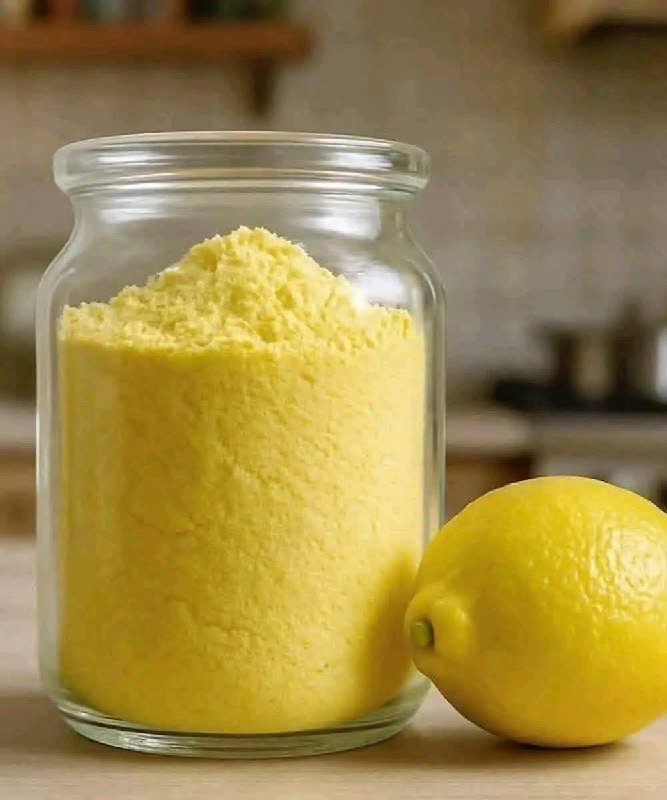
Imagine harnessing the bright, zesty essence of fresh lemons, not just for a fleeting moment, but to sprinkle into your dishes anytime, anywhere. That’s the magic of homemade lemon powder! This vibrant, finely ground powder is a concentrated burst of citrus flavor, offering a convenient and versatile way to elevate everything from baked goods to savory marinades. Forget those artificial lemon flavors; this is the real deal, capturing the pure, unadulterated zest of sun-kissed lemons in an easy-to-store form.
Making your own lemon powder is not just about convenience; it’s about unlocking a new level of culinary creativity and sustainability. By transforming lemon peels, often discarded, into a valuable pantry staple, you’re embracing a zero-waste approach and ensuring you always have that essential citrus kick on hand. It’s a simple process that yields an incredibly potent and flavorful ingredient, far superior to anything you might find pre-made, and allows you complete control over the quality and purity of your final product.
This recipe will guide you through creating your own exquisite lemon powder, a true game-changer for any home cook. It’s remarkably easy, requiring minimal ingredients (just lemons!) and a few common kitchen tools. Get ready to infuse your cooking with an intense, natural lemon flavor that will surprise and delight your taste buds, making every dish a little brighter and every meal a little more special.
Nutritional Information
Per serving (approximate values – based on 1 tsp of powder, primarily zest):
- Calories: 2 kcal
- Protein: 0.1g
- Carbohydrates: 0.5g
- Fat: 0g
- Fiber: 0.2g
- Sodium: 0mg
Ingredients
- 6-8 organic lemons (choose fresh, unblemished lemons with thick, vibrant yellow peels)
Instructions
- Prepare the Lemons: Thoroughly wash the lemons under cool running water. If not organic, consider a quick scrub with a vegetable brush and a mixture of water and a tablespoon of baking soda to remove any potential residues, then rinse thoroughly. Pat them completely dry with a clean cloth.
- Zest the Lemons: Using a fine-toothed zester (like a Microplane) or a vegetable peeler, carefully remove only the bright yellow outer layer of the lemon peel. It is crucial to avoid the white pith underneath, as it is bitter and will impart an unpleasant taste to your powder. If using a peeler, try to get thin strips, then you can finely chop them afterward. For the best result, aim for finely grated zest that is free of pith.
- Prepare for Drying: Line a baking sheet with parchment paper. Spread the lemon zest evenly in a single layer over the parchment paper. Ensure there are no large clumps, as this will hinder even drying.
- Drying Method (Oven): Preheat your oven to its lowest possible temperature, typically around 150-200°F (65-93°C). Place the baking sheet with the zest into the oven. Leave the oven door slightly ajar (you can prop it open with a wooden spoon) to allow moisture to escape.
- Drying Time (Oven): Dry the zest for approximately 2-4 hours, or until it is completely brittle and snaps when bent, with no signs of flexibility or moisture. The drying time will vary depending on your oven’s temperature and how thinly the zest was prepared. Stir the zest occasionally to promote even drying.
- Drying Method (Dehydrator): If using a food dehydrator, spread the zest evenly on dehydrator trays. Set the temperature to 115-125°F (46-52°C).
- Drying Time (Dehydrator): Dehydrate for 4-8 hours, or until the zest is completely dry, crisp, and brittle. The dehydrator provides a more consistent, low-heat drying environment.
- Cool the Zest: Once thoroughly dried, remove the zest from the oven or dehydrator and allow it to cool completely at room temperature. This step is important as it helps to prevent moisture from condensing when grinding.
- Grind into Powder: Transfer the cooled, dried lemon zest to a clean spice grinder, coffee grinder (dedicated to spices), or a high-speed blender. Pulse the zest in short bursts until it reaches a fine, powdery consistency. Avoid over-processing, which can generate heat and release oils, potentially causing clumping. You may need to stop and stir occasionally to ensure an even grind.
- Sift (Optional but Recommended): For an ultra-fine powder, you can sift the ground lemon powder through a fine-mesh sieve. Any larger pieces can be returned to the grinder for a second pass.
- Store Properly: Transfer the finished lemon powder to a clean, airtight glass jar. Store in a cool, dark place away from direct sunlight and moisture. This will help preserve its vibrant flavor and color for several months.
Cooking Tips and Variations
To ensure your homemade lemon powder is nothing short of perfect, start by selecting the right lemons. Opt for organic, unblemished lemons with bright yellow, relatively thick skins, as these will yield more zest and a better flavor profile. Always wash them thoroughly before zesting. When zesting, the key is to be precise: only remove the yellow part of the peel, leaving the white pith behind. The pith is notoriously bitter and will negatively impact the taste of your powder. A fine-toothed zester like a Microplane is ideal for this, creating fine strands of zest that dry quickly and grind easily. If you use a vegetable peeler, make sure to scrape off any remaining pith from the back of the peel strips before drying and then finely chop them.
Drying is a critical step. Whether you use an oven or a dehydrator, ensure the heat is low and consistent. For oven drying, keeping the door slightly ajar is essential for allowing moisture to escape, preventing the zest from steaming rather than drying. The zest must be completely brittle and snap when bent; any residual moisture will lead to clumping and potential mold growth during storage. Stirring the zest occasionally during drying ensures even exposure to heat. Once dried, allow the zest to cool completely before grinding. Grinding warm zest can release oils and cause it to clump. Use a dedicated spice grinder or a clean coffee grinder for the best results, pulsing in short bursts to achieve a fine powder without overheating.
For variations, consider adding other dried citrus zests to create unique blends. Orange powder, lime powder, or even a mixed citrus powder can be made using the same method. You can also experiment with infusing your lemon powder by drying it with a few sprigs of fresh rosemary or thyme, then removing the herbs before grinding. This creates a beautifully aromatic lemon-herb powder perfect for savory dishes. For a touch of spice, a tiny pinch of dried chili flakes could be ground with the lemon zest for a zesty, spicy kick. Remember that the intensity of homemade lemon powder is much higher than fresh zest, so start with a smaller amount and adjust to taste.
Storage and Reheating
Proper storage is paramount to maintaining the vibrant flavor and aroma of your homemade lemon powder. Once completely ground and cooled, transfer the powder to a clean, airtight glass jar. Glass is preferred over plastic as it doesn’t absorb odors and provides a better seal. Ensure the jar is completely dry before adding the powder. Store the sealed jar in a cool, dark pantry or cupboard, away from direct sunlight, heat, and humidity. Exposure to light and heat can degrade the flavor and color of the powder over time, while humidity can cause it to clump and potentially spoil. When stored correctly, homemade lemon powder can retain its potency and freshness for up to 6 months to a year. You’ll know it’s past its prime if the bright yellow color has faded significantly or the aroma is no longer distinctly lemony.
There is no “reheating” process for lemon powder as it is a dried ingredient used as a seasoning. However, to best utilize its flavor, it’s often incorporated into dishes during the cooking process or sprinkled over finished meals. If your lemon powder has clumped slightly due to humidity, you can try to break up the clumps with a clean, dry spoon. If it’s severely clumped or has developed an off-odor, it’s best to discard it. To refresh the flavor of powder that has been stored for a while, you can sometimes briefly warm it in a dry pan over very low heat for a minute or two, stirring constantly, to release some of its aromatic oils, but be careful not to scorch it. For optimal flavor, using it within the first few months is recommended.
Frequently Asked Questions
What kind of lemons are best for making lemon powder?
For the best results, use organic, fresh, and unblemished lemons with thick, bright yellow skins. Organic lemons ensure you’re not introducing pesticides into your powder, and thick skins yield more zest. Avoid lemons with thin skins or those that feel soft.
Can I use a food processor instead of a spice grinder?
While a food processor can work, it’s generally less effective at achieving a super-fine powder consistency compared to a spice grinder or a high-speed blender. If using a food processor, you might end up with a coarser powder, and you may need to process for longer, potentially creating heat that can release oils and cause clumping. For the finest texture, a spice grinder is recommended.
How can I tell if my lemon zest is fully dry?
Your lemon zest is fully dry when it is completely brittle, snaps easily when bent, and shows no signs of flexibility or moisture. It should feel crisp to the touch and have lost all its suppleness. If there’s any give or moisture, continue drying, as insufficient drying can lead to mold and spoilage.
What if my lemon powder clumps after storing?
Clumping usually indicates moisture exposure. Ensure your storage jar is airtight and kept in a cool, dark, dry place. If it does clump, you can try shaking the jar vigorously or breaking up the clumps with a clean, dry spoon. For future batches, ensure the zest is absolutely dry before grinding and consider adding a food-grade desiccant packet to the jar if you live in a very humid environment.