

Introduction
Step right up to a true taste of home, a dish that whispers tales of grandma’s kitchen and simpler times: Old-Fashioned Porcupine Meatballs! This beloved classic isn’t just a meal; it’s a warm hug on a plate, a comforting centerpiece that has graced family dinner tables for generations. The name “porcupine meatballs” comes from the delightful way the uncooked rice, mixed into the ground meat, peeks out as it cooks, creating tiny, adorable “quills” that give this dish its unique and charming appearance. Far from being intimidating, this recipe is celebrated for its ease of preparation, hearty satisfaction, and undeniably delicious flavor profile that appeals to every palate, young and old alike.
What makes our version truly “old-fashioned” is its unwavering commitment to simplicity and classic ingredients. We’re talking about unpretentious, wholesome components that come together to create something extraordinary. There are no fancy tricks or obscure spices here, just honest-to-goodness flavor that relies on the natural goodness of ground beef, uncooked rice, and a savory, tomato-based sauce. It’s a budget-friendly marvel that transforms everyday staples into a meal that feels both special and deeply familiar. This recipe embodies the very essence of comfort food: nourishing, straightforward, and utterly delicious. So, roll up your sleeves, gather your ingredients, and prepare to bring a timeless classic back to your family’s dinner rotation!
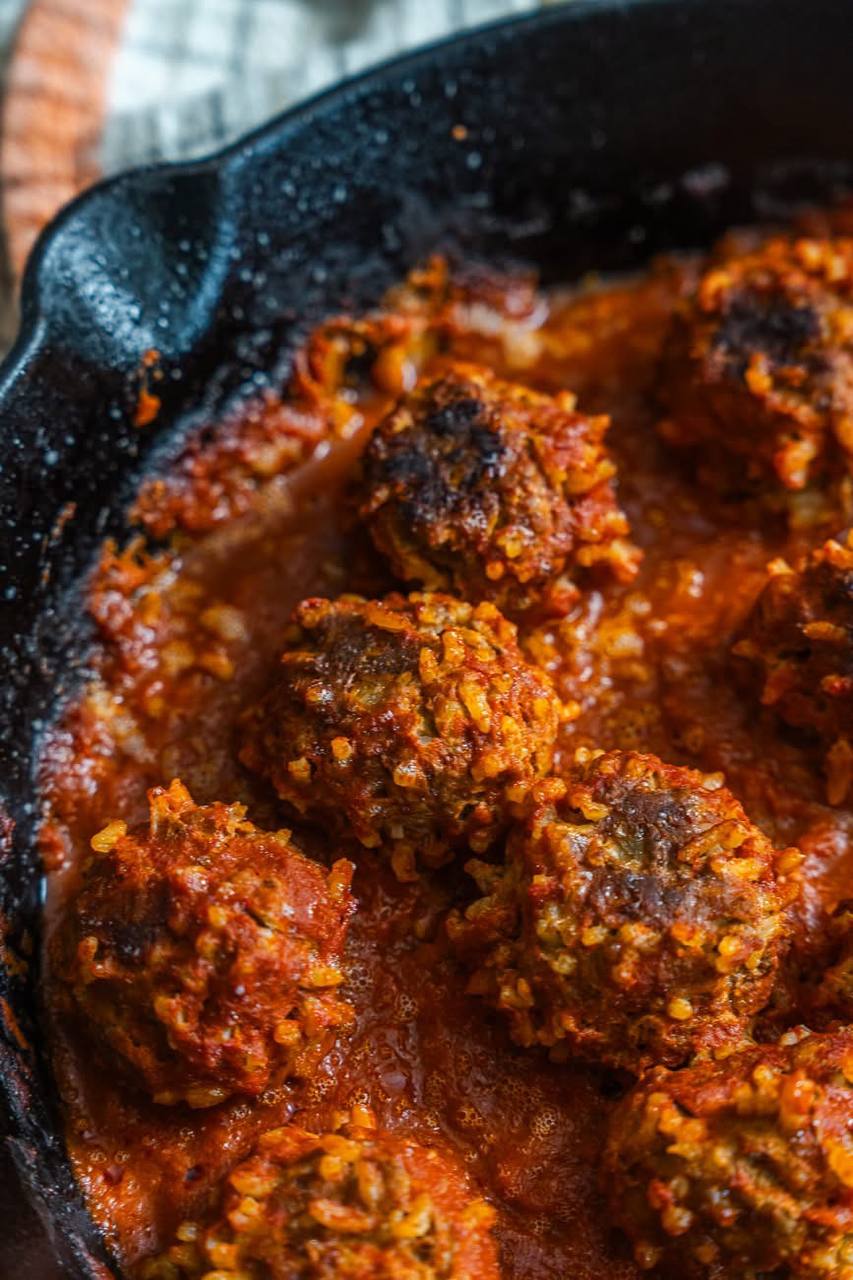
This particular recipe stands out because it captures the rustic charm and robust flavors that made porcupine meatballs a household staple. From the visible grains of rice protruding like tiny quills to the rich, thick, reddish-orange sauce that lovingly coats each meatball, every element screams “homestyle.” The use of a cast-iron skillet, as often seen in traditional cooking, not only ensures even heating but also adds to the dish’s rustic appeal, hinting at a meal cooked with care and passion. The meatballs themselves are beautifully browned, suggesting an initial searing step that locks in flavor, before they’re slowly simmered to perfection in their savory bath. The sauce, thick and well-reduced, clings to the meatballs, promising a burst of rich tomato goodness with every bite. It’s a hearty, comforting, and visually appealing dish that promises to transport you straight back to the comforting embrace of a classic, home-cooked meal.
Nutritional Information
Per serving (approximate values):
- Calories: 380-420
- Protein: 30-35g
- Carbohydrates: 25-30g
- Fat: 18-22g
- Fiber: 3-5g
- Sodium: 600-750mg
Ingredients
- 1 ½ pounds lean ground beef (80/20 or 85/15)
- ½ cup uncooked long-grain white rice (not instant)
- ½ cup finely chopped yellow onion
- 1 large egg, lightly beaten
- 1 teaspoon garlic powder
- 1 teaspoon salt
- ½ teaspoon black pepper
- ¼ cup milk or water
- 1 tablespoon olive oil or vegetable oil
- 1 (15-ounce) can tomato sauce
- 1 (14.5-ounce) can diced tomatoes, undrained
- 1 cup beef broth
- 2 tablespoons Worcestershire sauce
- 1 tablespoon brown sugar (optional, for balancing acidity)
- 1 teaspoon dried Italian seasoning
- ½ teaspoon onion powder
- Salt and black pepper to taste for the sauce
- Fresh parsley, chopped, for garnish (optional)
Instructions
- Prepare the Meatball Mixture: In a large mixing bowl, combine the ground beef, uncooked rice, finely chopped yellow onion, beaten egg, garlic powder, 1 teaspoon salt, ½ teaspoon black pepper, and milk or water. Use your hands to gently mix the ingredients until just combined. Be careful not to overmix, as this can lead to tough meatballs.
- Form the Meatballs: Roll the mixture into 1 ½ to 2-inch meatballs. You should get approximately 18-24 meatballs, depending on their size. Place them on a plate or baking sheet as you form them.
- Brown the Meatballs (Optional but Recommended): Heat the olive oil or vegetable oil in a large, heavy-bottomed skillet or Dutch oven (a cast-iron skillet works wonderfully) over medium-high heat. Once hot, carefully add the meatballs in a single layer, working in batches if necessary to avoid overcrowding. Brown the meatballs on all sides for 3-5 minutes, just until they develop a nice crust. They don’t need to be cooked through at this stage. Remove the browned meatballs from the skillet and set aside.
- Prepare the Sauce: Reduce the heat to medium. If there’s excessive grease in the skillet, you can drain some of it, leaving about 1 tablespoon. Add the canned tomato sauce, diced tomatoes (undrained), beef broth, Worcestershire sauce, brown sugar (if using), dried Italian seasoning, and onion powder to the skillet. Stir well to combine, scraping up any browned bits from the bottom of the pan – these add tremendous flavor.
- Simmer the Meatballs: Carefully return the browned meatballs to the skillet, nestling them into the sauce. Ensure they are mostly submerged. Bring the sauce to a gentle simmer.
- Cook to Perfection: Once simmering, reduce the heat to low, cover the skillet tightly, and cook for 45-60 minutes, or until the rice inside the meatballs is fully cooked and tender. Stir gently every 15-20 minutes to prevent sticking and ensure even cooking of the rice. If the sauce becomes too thick, you can add a splash more beef broth or water.
- Check for Doneness: To check if the rice is cooked, carefully cut open one meatball. The rice should be soft and fully expanded. The meatballs should also be cooked through, with no pink remaining.
- Season and Serve: Taste the sauce and adjust seasonings (salt and pepper) as needed. Garnish with fresh chopped parsley, if desired. Serve hot.
Cooking Tips and Variations
Tips for Best Results:
- Don’t Overmix: When preparing the meatball mixture, mix just until the ingredients are combined. Overmixing can lead to dense, tough meatballs.
- Use the Right Rice: Long-grain white rice is ideal for porcupine meatballs. Avoid instant rice, as it will cook too quickly and become mushy, and sticky short-grain rice, which won’t give you the distinct “quills.”
- Browning is Key: While you can skip browning, searing the meatballs before simmering adds a crucial layer of flavor and helps them hold their shape better. Those browned bits at the bottom of the pan are flavor gold for your sauce!
- Ensure Enough Liquid: The rice absorbs a lot of liquid as it cooks. Make sure the meatballs are mostly submerged in the sauce, and don’t be afraid to add a little more broth or water if the sauce seems to be reducing too quickly during simmering.
- Cook Covered: Keeping the skillet covered during simmering traps steam and moisture, which is essential for the rice to cook properly and for the meatballs to remain tender.
- Low and Slow: A gentle simmer over low heat is crucial. High heat can cause the sauce to burn or reduce too quickly, leaving the rice undercooked and the meatballs tough.
- Taste and Adjust: Always taste your sauce before serving. Adjust salt, pepper, or even add a pinch more brown sugar if you prefer a slightly sweeter, less acidic sauce.
Variations to Customize Your Meal:
- Meat Options: While ground beef is traditional, you can use a mix of ground beef and pork for added richness, or even ground turkey for a leaner option. If using leaner meats, you might want to add a touch more fat to the pan when browning or increase the moisture in the meatball mixture slightly.
- Spice It Up: For a kick, add a pinch of red pepper flakes to the meatball mixture or the sauce. Smoked paprika can also add a delightful smoky depth.
- Cheesy Goodness: Mix ¼ cup of grated Parmesan cheese into the meatball mixture for extra flavor, or sprinkle some mozzarella over the meatballs during the last 10 minutes of cooking for a melty, cheesy topping.
- Veggie Boost: Finely dice carrots, celery, or bell peppers and add them to the meatball mixture or sauté them with the onions for the sauce. This adds nutrients and another layer of flavor.
- Creamy Sauce: For a richer, creamier sauce, stir in ¼ cup of heavy cream or a dollop of sour cream during the last few minutes of cooking, just before serving.
- Different Grains: While not traditional, you could experiment with other small grains like quinoa or bulgur wheat, keeping in mind that cooking times and liquid absorption might vary.
- Slow Cooker Method: After browning the meatballs (or skipping browning for a truly “dump and go” method), combine all ingredients in a slow cooker. Cook on low for 4-6 hours or on high for 2-3 hours, until rice is tender and meatballs are cooked through.
- Baking Method: After forming the meatballs, you can bake them in a large baking dish with the sauce. Bake covered at 375°F (190°C) for 45-60 minutes, uncovering for the last 15 minutes if you prefer a slightly thicker sauce.
Storage and Reheating
Storage:
- Refrigerator: Old-Fashioned Porcupine Meatballs are excellent as leftovers and often taste even better the next day as the flavors have more time to meld. Allow the dish to cool completely before transferring it to an airtight container. Store in the refrigerator for up to 3-4 days.
- Freezer: This dish freezes beautifully! Once completely cooled, transfer the meatballs and sauce to a freezer-safe airtight container or heavy-duty freezer bags. If using bags, squeeze out as much air as possible to prevent freezer burn. Label with the date. Porcupine meatballs can be frozen for up to 3 months. For individual portions, you can freeze them in separate containers.
Reheating:
- From the Refrigerator:
- Stovetop: Transfer the desired amount of meatballs and sauce to a saucepan or skillet. Heat over medium-low heat, stirring occasionally, until heated through. If the sauce is too thick, add a splash of beef broth or water.
- Microwave: Place a serving of meatballs and sauce in a microwave-safe dish. Cover loosely and microwave on high for 1-2 minutes, stirring halfway through, until hot.
- From the Freezer:
- Thawing First: For best results, it’s recommended to thaw frozen porcupine meatballs overnight in the refrigerator before reheating. Once thawed, follow the stovetop or microwave instructions above.
- Reheating from Frozen (Stovetop): Place the frozen meatballs and sauce in a large pot or Dutch oven with a tight-fitting lid. Add about ¼ to ½ cup of beef broth or water to help create steam and prevent sticking. Heat over low to medium-low heat, covered, stirring occasionally and gently breaking up the frozen mass as it thaws, for about 20-30 minutes, or until heated through and the rice is tender. Be patient and keep the heat low to avoid burning.
Frequently Asked Questions
Why are they called porcupine meatballs?
The name “porcupine meatballs” comes from the unique appearance of the dish after cooking. As the uncooked rice mixed into the meatballs absorbs liquid from the sauce and expands, individual grains of rice protrude from the meatballs, resembling the quills of a porcupine. It’s a fun and descriptive name for a classic comfort food!
Can I use brown rice instead of white rice?
While white long-grain rice is traditional and recommended for its consistent results, you can technically use brown rice. However, brown rice takes significantly longer to cook than white rice, often requiring double the cooking time (around 1.5 to 2 hours). You would also need to ensure there’s enough liquid in the sauce to account for the longer absorption time. The texture might also be slightly different, as brown rice retains more of its chew. For a true “old-fashioned” experience, stick with white rice.
My meatballs are falling apart, what went wrong?
There are a few common reasons why meatballs might fall apart. The most likely culprits are not having enough binder (like egg or milk) in the mixture, or not mixing the ingredients thoroughly enough to create a cohesive ball. Conversely, overmixing can also lead to tough, crumbly meatballs. Ensuring your ground meat isn’t too lean (some fat helps bind) and gently but firmly forming the meatballs can also help them hold their shape. Browning them before simmering also helps to create a “crust” that stabilizes them.
What can I serve with porcupine meatballs?
Porcupine meatballs are incredibly versatile and pair well with many classic side dishes. The rich, savory sauce is perfect for soaking up with creamy mashed potatoes, fluffy white rice (yes, more rice!), or wide egg noodles. For a vegetable side, steamed green beans, roasted broccoli, or a simple side salad would complement the hearty main dish beautifully. Crusty bread is also a fantastic addition for dipping into that delicious sauce!