

Introduction
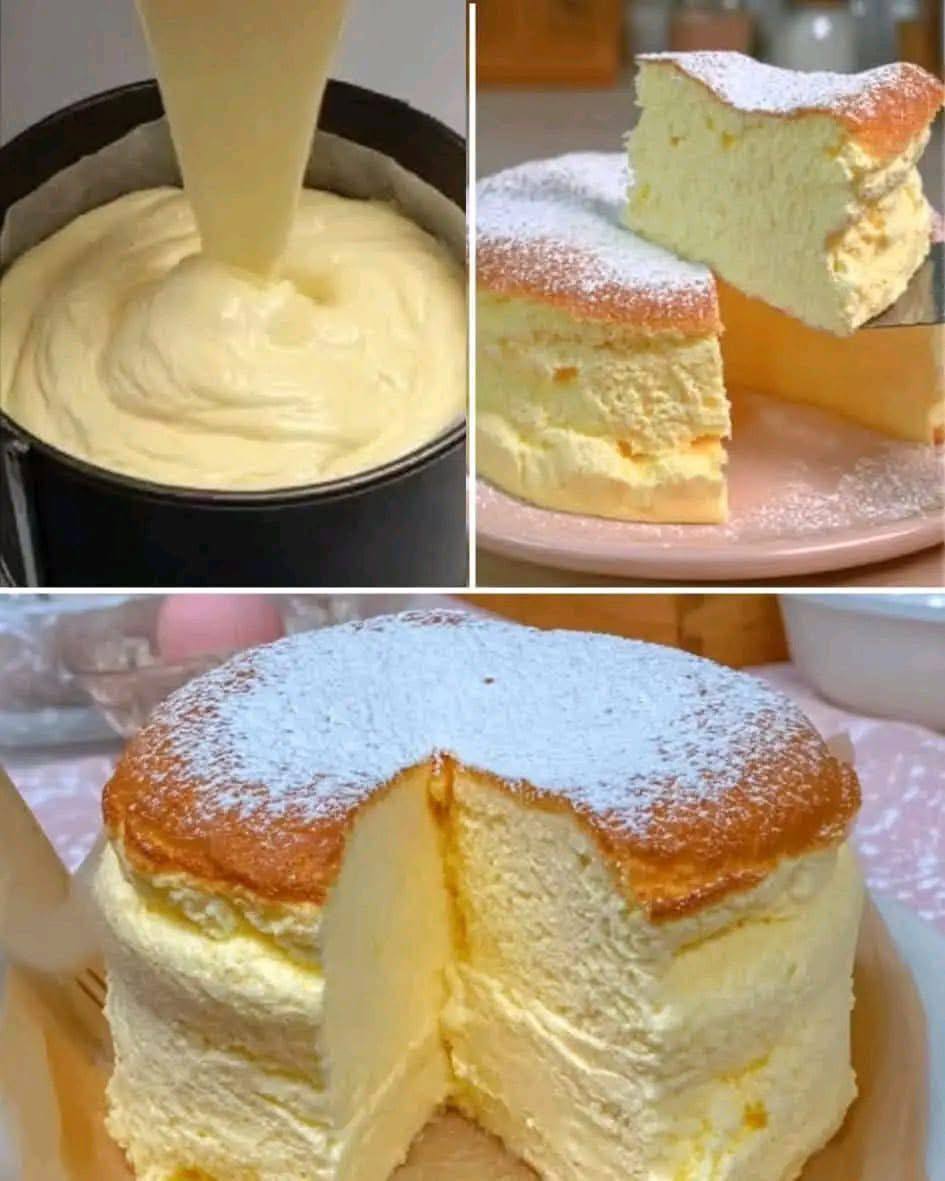
Prepare to be enchanted by the Cotton Cheesecake, a dessert that redefines what you thought a cheesecake could be. Forget dense, rich, and heavy; this is an ethereal cloud of creamy delight, a culinary marvel hailing from Japan. Known affectionately as Japanese Soufflé Cheesecake, this isn’t just a cake; it’s an experience. Imagine a dessert so light it practically floats, so fluffy it melts on your tongue, and so jiggly it dances with every gentle shake. It’s less sweet than its Western counterparts, allowing the delicate flavors of cream cheese and vanilla to shine through, creating a sophisticated yet utterly comforting treat.
What makes the Cotton Cheesecake so utterly captivating is its unique, almost magical texture. It combines the richness of a classic cheesecake with the airy lightness of a soufflé and the tender crumb of a sponge cake. This trifecta of textures is achieved through a meticulous baking process, primarily involving whipped egg whites folded into a creamy base and a gentle water bath. The result is a cheesecake that offers a delightful bounce, a delicate structure, and a flavor profile that is both subtle and profoundly satisfying. It’s the perfect dessert for those who crave something sweet but not cloying, something elegant but approachable.
You’ll fall in love with not just eating this cheesecake, but also with the process of creating it. There’s a certain joy in watching the batter transform, seeing it rise gracefully in the oven, and finally, witnessing its signature jiggle. This recipe guides you through each step, ensuring that even if you’re new to Japanese baking, you’ll achieve a masterpiece. The reward is a visually stunning cake, dusted simply with powdered sugar, ready to impress and delight. Get ready to embark on a sweet journey that culminates in the creation of your very own cloud-like dessert.
Nutritional Information
Per serving (approximate values):
- Calories: 320
- Protein: 8g
- Carbohydrates: 25g
- Fat: 21g
- Fiber: 0g
- Sodium: 180mg
Ingredients
- 200g (7 oz) full-fat cream cheese, softened
- 60g (4 tbsp) unsalted butter
- 100ml (7 tbsp) full-fat milk or heavy cream
- 6 large eggs, separated, at room temperature
- 80g (2/3 cup) granulated sugar, divided (60g for meringue, 20g for cream cheese base)
- 60g (1/2 cup) cake flour, sifted (or all-purpose flour + 1 tbsp cornstarch)
- 1 tbsp fresh lemon juice
- 1 tsp vanilla extract
- Pinch of salt
- Powdered sugar, for dusting
Instructions
- Prepare the Pan: Preheat your oven to 160°C (325°F). Grease a 20cm (8-inch) springform pan and line the bottom and sides with parchment paper, allowing it to extend about 2 inches above the rim. This extra height helps the cake rise without sticking. Wrap the outside of the springform pan tightly with two layers of heavy-duty aluminum foil to prevent water from seeping in during the water bath.
- Create the Cream Cheese Base: In a heatproof bowl, combine the softened cream cheese, unsalted butter, and milk (or heavy cream). Place the bowl over a pot of simmering water (double boiler method), ensuring the bottom of the bowl does not touch the water. Stir continuously until the mixture is smooth, melted, and lump-free. Remove from heat.
- Incorporate Wet Ingredients: Add the 20g of granulated sugar, lemon juice, and vanilla extract to the cream cheese mixture. Whisk until well combined.
- Add Egg Yolks and Flour: One by one, whisk in the egg yolks until fully incorporated and the mixture is smooth. Sift the cake flour (or all-purpose flour + cornstarch) directly into the cream cheese mixture. Whisk gently until just combined and no lumps remain. Do not overmix. Set this cream cheese batter aside.
- Whip the Meringue: In a separate large, clean bowl, combine the egg whites and a pinch of salt. Using an electric mixer, begin whipping the egg whites on medium speed. Once they become foamy, gradually add the remaining 60g of granulated sugar, about one tablespoon at a time. Increase the speed to medium-high and continue whipping until the meringue reaches soft to medium peaks. This means when you lift the whisk, the peaks should hold their shape but still have a slight curl at the tip. Do not over-whip to stiff peaks, as this will make folding difficult and result in a drier cake.
- Fold the Meringue: Add about one-third of the meringue into the cream cheese batter. Using a spatula, gently fold it in to lighten the batter. This initial fold doesn’t need to be perfectly smooth.
- Combine Batters: Add the remaining meringue to the lightened cream cheese batter. Gently fold using a cut-and-fold motion, scraping the bottom of the bowl and turning the batter over. Continue folding until the meringue is just incorporated and no streaks of egg white remain. Be careful not to deflate the air from the meringue.
- Pour and Prepare for Water Bath: Pour the cheesecake batter into the prepared springform pan. Gently tap the pan on the counter a few times to release any large air bubbles.
- Bake in a Water Bath: Place the springform pan into a larger roasting pan. Carefully pour hot water into the roasting pan, reaching about halfway up the sides of the springform pan.
- Bake: Transfer the roasting pan with the cheesecake to the preheated oven. Bake for 60-70 minutes, or until the top is golden brown and the cheesecake is puffed up and jiggly in the center when gently shaken. The internal temperature should be around 75-80°C (167-176°F).
- Cool Gradually: Once baked, turn off the oven but leave the cheesecake inside with the oven door slightly ajar for at least 30-60 minutes. This gradual cooling prevents the cheesecake from shrinking too much or cracking.
- Chill: Remove the cheesecake from the oven and the water bath. Carefully remove the foil from the springform pan. Let it cool completely at room temperature, then transfer it to the refrigerator to chill for at least 4 hours, or preferably overnight. Chilling helps the cheesecake set and firm up.
- Serve: Once thoroughly chilled, carefully run a thin knife around the edge of the pan before releasing the springform sides. Remove the parchment paper. Dust generously with powdered sugar just before serving. Slice with a sharp, warm knife for clean cuts.
Cooking Tips and Variations
Achieving the perfect Cotton Cheesecake is all about precision and patience. Here are some essential tips to ensure your success: Always use room temperature ingredients, especially for the eggs and cream cheese. This ensures a smooth, lump-free batter and allows the egg whites to whip up to their maximum volume. When whipping the meringue, aim for soft to medium peaks; over-whipping to stiff peaks can make the meringue dry and difficult to fold, leading to a denser cake. The folding process is crucial; be gentle, using a cut-and-fold motion to preserve as much air as possible. Any vigorous mixing will deflate the meringue and result in a flatter, less airy cheesecake.
The water bath is your best friend for this recipe. Ensure your springform pan is wrapped very securely with aluminum foil to prevent any water from seeping in, which would make the bottom soggy. The water bath provides a moist, even heat, preventing the cake from cracking and ensuring a silky-smooth texture throughout. Don’t be tempted to open the oven door during the first 45 minutes of baking, as this can cause the cheesecake to deflate. Gradual cooling is equally important; leaving the cheesecake in the turned-off oven with the door ajar allows it to cool slowly, minimizing shrinking and cracking. For clean slices, dip your knife in hot water and wipe it clean between each cut.
Experiment with delightful variations to customize your Cotton Cheesecake. For a vibrant twist, add 1-2 teaspoons of matcha powder to the sifted flour for a beautiful green hue and earthy flavor. Citrus zest, such as lemon or orange, can be folded into the cream cheese base for an extra layer of brightness. Chocolate lovers can melt 50g of good quality dark chocolate with the cream cheese and butter mixture for a rich cocoa flavor. Serve your cheesecake simply dusted with powdered sugar, or elevate it with fresh berries, a light fruit compote, or a dollop of unsweetened whipped cream. The delicate flavor of the cheesecake pairs wonderfully with contrasting textures and fresh, bright toppings.
Storage and Reheating
Storing your Cotton Cheesecake correctly is essential to maintain its delicate texture and freshness. Once completely cooled, cover the cheesecake loosely with plastic wrap or place it in an airtight container. It will keep well in the refrigerator for up to 3-4 days. For longer storage, you can freeze individual slices or the whole cheesecake (if well wrapped). To freeze, ensure the cheesecake is fully chilled, then wrap it tightly in several layers of plastic wrap, followed by aluminum foil. It can be stored in the freezer for up to 1 month. Thaw frozen cheesecake overnight in the refrigerator before serving.
While Cotton Cheesecake is best enjoyed chilled, if you prefer it slightly warmer, avoid using a microwave, as this can alter its delicate texture and make it rubbery. Instead, allow slices to come to room temperature for about 15-20 minutes before serving. This allows the subtle flavors to become more pronounced and the texture to soften slightly. If you have a whole cheesecake and wish to serve it slightly warm, you could briefly (5-10 minutes) place it in a very low oven (around 100°C/200°F) after it has been chilled and before dusting with powdered sugar, but be very careful not to overcook it. Generally, this cheesecake is designed to be enjoyed cool, highlighting its refreshing and airy qualities.
Frequently Asked Questions
Why did my Cotton Cheesecake crack on top?
Cracking is a common issue with soufflé-style cheesecakes and is often due to sudden temperature changes or overbaking. Ensure you bake in a proper water bath to provide moist, even heat, and allow the cheesecake to cool gradually in the turned-off oven with the door ajar. Overbaking can also dry out the surface, leading to cracks as it cools and contracts.
My cheesecake sank after baking. What went wrong?
Sinking can occur if the meringue was over-whipped to stiff peaks, making it unstable, or if it was under-whipped and couldn’t provide enough structure. It can also happen if the meringue was folded too aggressively into the cream cheese base, deflating the air, or if the oven door was opened too early during baking, causing a sudden temperature drop.
Can I make this recipe without a springform pan?
While a springform pan is ideal for easy removal and presentation, you can use a regular round cake pan (9-inch) lined thoroughly with parchment paper, leaving generous overhangs on all sides to act as “handles” for lifting the cake out once cooled. However, be aware that removing it might be trickier, and the presentation might not be as pristine.
What’s the difference between cake flour and all-purpose flour for this recipe?
Cake flour has a lower protein content than all-purpose flour, which results in a more tender, delicate crumb. For Cotton Cheesecake, the goal is extreme tenderness and lightness, so cake flour is preferred. If using all-purpose flour, adding a tablespoon of cornstarch helps to reduce the gluten development and achieves a similar tenderizing effect.