

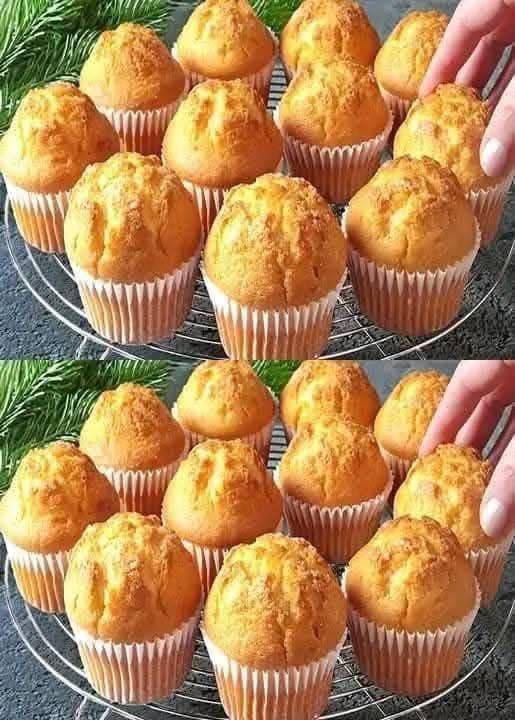
Introduction
Prepare to embark on a culinary journey to a realm of unparalleled fluffiness and delicate sweetness! Today, we’re diving into the magical world of Fluffy Japanese Cotton Cheesecake Cupcakes. Imagine a dessert so light, so airy, it practically floats off your plate, yet so rich and creamy it melts in your mouth. This isn’t your average dense, New York-style cheesecake; this is a cloud-like confection, a jiggly masterpiece that has captivated dessert lovers worldwide with its unique, ethereal texture.
What makes these Japanese Cotton Cheesecake Cupcakes so special? It’s the ingenious combination of traditional cheesecake richness with the airy lightness achieved through a carefully crafted meringue. Every bite is a delightful surprise, a perfect balance of tangy cream cheese and sweet, delicate crumb. And by transforming this beloved cake into individual cupcakes, we unlock a new level of convenience and charm. Perfect for portion control, easy to share at gatherings, or simply to enjoy a perfectly sized treat without the commitment of a whole cake, these cupcakes bring the sophisticated allure of Japanese baking right into your home kitchen.
Get ready to master the art of the perfect jiggly, fluffy texture. We’ll guide you through every step, from selecting the right ingredients to the gentle folding techniques and the crucial water bath method, ensuring your cupcakes emerge from the oven golden-brown, pristine, and irresistibly soft. Whether you’re a seasoned baker or new to the world of Japanese desserts, this detailed guide will equip you with all the knowledge and tips to create these stunning, delightful treats that are sure to impress.
Nutritional Information
Per serving (approximate values):
- Calories: 220
- Protein: 5g
- Carbohydrates: 20g
- Fat: 14g
- Fiber: 0g
- Sodium: 150mg
Ingredients
- 250g (8.8 oz) full-fat cream cheese, softened at room temperature
- 60g (1/4 cup + 2 tbsp) unsalted butter
- 100ml (scant 1/2 cup) whole milk
- 6 large eggs, separated, at room temperature
- 80g (2/3 cup) granulated sugar, divided (50g for batter, 30g for meringue)
- 60g (1/2 cup) all-purpose flour, sifted
- 20g (2 tbsp) cornstarch, sifted
- 1 teaspoon vanilla extract
- 1/2 teaspoon fresh lemon juice (optional, for meringue stability)
- Pinch of salt
Instructions
- Preheat your oven to 160°C (325°F) and position a rack in the middle. Line a 12-cup muffin tin with paper cupcake liners. Prepare a large roasting pan or baking dish that is larger than your muffin tin, as it will be used for the water bath.
- In a heatproof bowl, combine the softened cream cheese, unsalted butter, and whole milk. Place the bowl over a saucepan with simmering water (creating a double boiler), ensuring the bottom of the bowl does not touch the water. Stir gently until the mixture is completely smooth and melted, with no lumps. Remove from heat and set aside to cool slightly.
- Separate the eggs. Place the egg yolks in a medium bowl and the egg whites in a very clean, large mixing bowl (preferably a metal or glass bowl, as plastic can retain grease).
- Once the cream cheese mixture has cooled slightly (it should be warm, not hot), whisk in the egg yolks one at a time until fully incorporated and smooth. Add 50g of granulated sugar, vanilla extract, and a pinch of salt, whisking until well combined.
- Sift the all-purpose flour and cornstarch directly into the cream cheese-egg yolk mixture. Gently whisk until just combined and smooth. Be careful not to overmix, as this can develop the gluten and lead to a tougher cupcake. The batter should be thick but pourable.
- Now, prepare the meringue. Using an electric mixer (stand mixer or hand mixer) with a whisk attachment, begin whipping the egg whites on medium speed. Once they become foamy, add the 1/2 teaspoon of lemon juice (if using). Gradually add the remaining 30g of granulated sugar, one tablespoon at a time, while continuing to whip. Increase the speed to medium-high and whip until the egg whites form soft to medium peaks. The meringue should be glossy and hold its shape but still be soft enough to gently fold. Do not whip to stiff peaks, as this can make it harder to fold and result in a dry texture.
- Add about one-third of the meringue to the cream cheese batter. Gently fold it in with a rubber spatula until mostly combined. This step lightens the batter, making it easier to incorporate the remaining meringue without deflating it.
- Add the remaining meringue to the batter in two additions, gently folding with a rubber spatula. Use a cutting and folding motion, scraping the bottom and sides of the bowl, until no streaks of meringue remain. The key is to be very gentle to preserve as much air as possible in the meringue. The final batter should be light, airy, and uniform.
- Carefully pour or spoon the batter evenly into the prepared cupcake liners, filling each about two-thirds full.
- Place the muffin tin into the larger roasting pan. Pour hot water into the roasting pan, around the muffin tin, until it reaches about halfway up the sides of the cupcake liners. This creates the essential water bath (bain-marie).
- Carefully transfer the roasting pan with the muffin tin and water bath to the preheated oven. Bake for 25-30 minutes, or until the tops are golden brown and puffed. The cupcakes should feel slightly firm to the touch but still have a gentle jiggle when the tin is lightly shaken.
- Once baked, turn off the oven but leave the oven door ajar (you can prop it open with a wooden spoon) for 15-20 minutes. This slow cooling process helps prevent the cupcakes from deflating or cracking due to a sudden temperature change.
- Remove the roasting pan from the oven, then carefully lift the muffin tin out of the water bath. Transfer the cupcakes in their liners to a wire cooling rack. Let them cool completely at room temperature. The cupcakes may deflate slightly as they cool, which is normal for Japanese cotton cheesecakes.
- Once completely cooled, these delightful Fluffy Japanese Cotton Cheesecake Cupcakes are ready to be enjoyed!
Cooking Tips and Variations
Achieving that signature fluffy, jiggly texture requires attention to detail, but it’s incredibly rewarding. First and foremost, ensure all your cold ingredients, especially the cream cheese and eggs, are at room temperature. This is crucial for a smooth, emulsified batter and for the egg whites to whip up properly. When melting the cream cheese, butter, and milk over the double boiler, make sure the mixture cools down a bit before adding the egg yolks. If it’s too hot, you risk scrambling the yolks, which will affect the texture. Sifting your dry ingredients (flour and cornstarch) is also a small but important step that prevents lumps and ensures an ultra-smooth batter.
The meringue is the heart of the “cotton” texture. When whipping egg whites, make sure your bowl and whisk are impeccably clean and free of any grease, as even a tiny speck of fat can prevent the whites from whipping properly. Adding a touch of lemon juice or cream of tartar helps stabilize the meringue, allowing it to hold more air. Whip to soft to medium peaks – the meringue should be glossy and hold its shape but still have a slight droop at the tip when you lift the whisk. Over-whipping to stiff, dry peaks will make it harder to fold into the batter and can result in a denser cupcake. The folding technique is paramount: gently incorporate the meringue into the cream cheese batter in stages, using a cutting and scooping motion with a rubber spatula. Do not stir or beat, as this will deflate the precious air bubbles.
The water bath is non-negotiable for Japanese cheesecakes. It provides a moist baking environment and gentle, even heat, which prevents the cupcakes from drying out, cracking, and becoming dense. If you don’t use a water bath, your cupcakes will likely crack on top and have a firmer, less jiggly texture. After baking, the gradual cooling process is equally important. Leaving the cupcakes in the oven with the door ajar allows them to cool slowly, minimizing the shock of temperature change that can lead to significant shrinking or cracking. Be patient during this step; it’s worth it for beautifully pristine cupcakes.
For variations, you can easily infuse different flavors. Add the zest of one lemon or orange to the cream cheese mixture for a brighter, citrusy note. A teaspoon of almond extract can replace or complement the vanilla for a different aromatic profile. For a subtle tea flavor, you could whisk in a teaspoon of matcha powder with the dry ingredients. Toppings are where you can really get creative! A dusting of powdered sugar is classic and elegant. Fresh berries like strawberries, raspberries, or blueberries add a burst of color and tartness that beautifully contrasts the sweet cheesecake. A light dollop of unsweetened whipped cream or a swirl of cream cheese frosting (made with less sugar than traditional frosting) can also elevate these cupcakes without overpowering their delicate flavor. For a touch of decadence, a drizzle of caramel or chocolate sauce can be delightful.
Storage and Reheating
These Fluffy Japanese Cotton Cheesecake Cupcakes are best enjoyed fresh, but they can be stored to maintain their deliciousness. Once completely cooled, transfer the cupcakes to an airtight container. Store them in the refrigerator for up to 3-4 days. It’s best to keep them in their paper liners to prevent sticking and to protect their delicate structure. If you’ve added any fresh fruit toppings, it’s generally best to add them just before serving, as fruits can release moisture and make the cupcakes soggy over time.
For longer storage, these cupcakes can also be frozen. Once completely cooled, place the cupcakes (still in their liners) on a baking sheet and freeze for about 1-2 hours, or until firm. This prevents them from sticking together. Then, transfer the frozen cupcakes to a freezer-safe airtight container or a heavy-duty freezer bag. They can be stored in the freezer for up to 1 month. To thaw, simply transfer the frozen cupcakes to the refrigerator and let them thaw overnight, or at room temperature for a few hours. Avoid thawing them in the microwave, as this can alter their delicate texture.
Reheating is generally not recommended for these cupcakes if you want to preserve their signature light and airy texture. They are designed to be served chilled or at room temperature. Reheating, especially in a microwave, can cause them to become rubbery or dense. If you prefer them slightly warm, you could try a very brief, low-temperature reheat in a conventional oven (around 150°C/300°F for 5-7 minutes), but monitor them closely to prevent overbaking. However, for the authentic Japanese cotton cheesecake experience, serving them cool is the way to go.
Frequently Asked Questions
Why did my cupcakes crack on top?
Cracking is a common issue with cheesecakes, and it’s usually due to a sudden change in temperature or overbaking. Ensure you’re using a water bath, which provides a moist, even baking environment. Also, avoid opening the oven door frequently during baking. The most crucial step is the gradual cooling process: turn off the oven and leave the door ajar for 15-20 minutes before removing the cupcakes. This allows them to adjust to the temperature change slowly, significantly reducing the chance of cracks. Over-whipping the egg whites can also contribute to cracking.
My cupcakes sank after cooling. What went wrong?
Some slight deflation is normal for Japanese cotton cheesecakes as they cool, so don’t worry if they don’t stay sky-high. However, significant sinking usually indicates that the meringue was not whipped enough (too soft peaks), or it was over-folded into the batter, causing too much air to be lost. Ensure your meringue reaches soft to medium peaks, and be very gentle when folding it into the batter to preserve the air bubbles that provide the lift and structure.
Can I make this recipe in a regular cake pan instead of cupcakes?
Yes, you can adapt this recipe for a larger cake, typically a 6-inch or 8-inch round springform pan. The baking time will be significantly longer, usually around 60-75 minutes or more, depending on the pan size and your oven. You’ll still need to use a water bath. Keep an eye on the cake, as baking times can vary, and ensure it’s cooked through but still has a gentle jiggle in the center. The cooling process (leaving in the oven with the door ajar) is even more critical for a whole cake.
Why is room temperature so important for the ingredients?
Using room temperature ingredients is vital for several reasons. Room temperature cream cheese and butter will cream together smoothly without lumps, creating a better emulsion with the milk. Cold cream cheese will be lumpy and difficult to incorporate. Room temperature eggs separate more easily, and the egg whites will whip up to a much greater volume and stability when they are not cold. This directly impacts the fluffiness of your final product. Plan ahead and take your ingredients out of the refrigerator at least 30-60 minutes before you start baking.