

Introduction
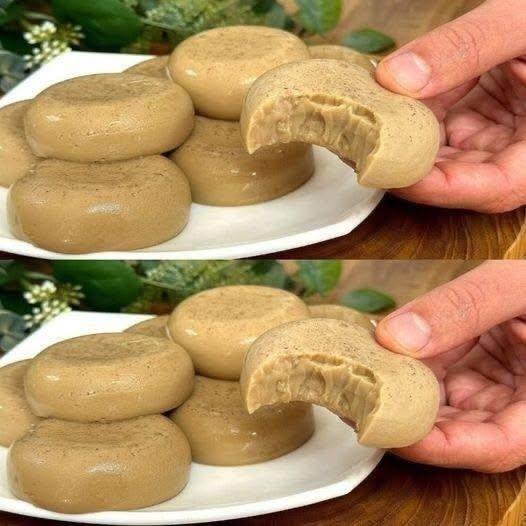
Imagine the rich, comforting aroma of your favorite coffee shop, now condensed into a delightful, bite-sized treat. That’s precisely what our Soft Coffee Milk Mochi Bites deliver – a harmonious blend of robust coffee and creamy milk, all encased in a tender, melt-in-your-mouth mochi texture. These little gems are more than just a dessert; they’re an experience, offering a sophisticated flavor profile that appeals to both coffee aficionados and those simply seeking a unique, irresistible sweet.
What makes these mochi bites truly special is their incredible textural interplay. Unlike traditional mochi that can sometimes be overtly chewy, these are designed to be incredibly soft and tender, almost custardy, with just a hint of that signature mochi stretch. Each bite offers a burst of balanced sweetness, a subtle bitterness from the coffee, and a smooth, creamy finish. They’re perfectly portioned, making them an ideal pick-me-up for an afternoon snack, a sophisticated addition to a dessert platter, or a unique offering for sharing with friends.
Easy to prepare and requiring no special baking equipment, these Soft Coffee Milk Mochi Bites are a testament to how simple ingredients can transform into something truly extraordinary. Whether you’re new to making mochi or a seasoned pro, this recipe promises a rewarding culinary adventure that results in a batch of irresistible treats sure to become a new favorite.
Nutritional Information
Per serving (approximate values):
- Calories: 75
- Protein: 1g
- Carbohydrates: 15g
- Fat: 1.5g
- Fiber: 0g
- Sodium: 20mg
Ingredients
- 1 cup (120g) glutinous rice flour (Mochiko)
- 1/2 cup (100g) granulated sugar
- 1 tablespoon instant espresso powder or strong instant coffee
- 1 1/2 cups (360ml) whole milk
- 1 tablespoon unsalted butter, melted (plus extra for greasing)
- 1/2 teaspoon vanilla extract
- Pinch of salt
- Cornstarch, for dusting (about 1/4 cup)
Instructions
- In a medium-sized heatproof bowl, whisk together the glutinous rice flour, granulated sugar, instant espresso powder, and pinch of salt until well combined and there are no lumps of flour.
- Gradually pour in the whole milk, whisking constantly to create a smooth batter. Ensure all the dry ingredients are fully incorporated and the mixture is lump-free.
- Stir in the melted unsalted butter and vanilla extract. This adds richness and helps with the smooth texture.
- Prepare your steaming setup: Fill a pot with about 1-2 inches of water and bring it to a simmer over medium heat. Place a steamer basket or rack inside, ensuring the water doesn’t touch the bottom of the bowl.
- Carefully place the bowl with the mochi mixture into the steamer basket. Cover the pot with a lid, making sure to wrap the lid in a clean kitchen towel to prevent condensation from dripping onto the mochi.
- Steam for 20-25 minutes, or until the mochi mixture is translucent, very thick, and sticky. The texture should resemble a very thick, somewhat elastic dough.
- Once steamed, carefully remove the hot bowl from the steamer. Using a rubber spatula, vigorously stir and knead the hot mochi dough in the bowl for 2-3 minutes. This step is crucial for developing the characteristic chewy and elastic texture. The dough will become smoother and more cohesive.
- Lightly grease a shallow dish or a baking sheet with a thin layer of butter or neutral oil. Dust generously with cornstarch.
- Carefully transfer the hot mochi dough onto the prepared, cornstarch-dusted surface. Dust the top of the mochi dough generously with more cornstarch to prevent sticking.
- Allow the mochi dough to cool slightly, about 10-15 minutes, until it’s warm enough to handle but not too hot.
- Using a cornstarch-dusted knife or a bench scraper, cut the mochi dough into small, bite-sized squares or rectangles, approximately 1-inch pieces. You can also roll the dough into a log and slice it.
- If desired, gently roll each piece in additional cornstarch to coat completely, which helps prevent sticking and makes them easier to handle. You can also gently shape them into more perfect spheres if preferred.
- Arrange the mochi bites on a serving plate. Serve immediately or store for later.
Cooking Tips and Variations
Achieving the perfect texture for these coffee milk mochi bites is key to their deliciousness. When steaming, ensure your water is simmering steadily, not boiling aggressively, to allow the mochi to cook evenly. The towel-wrapped lid is a small but mighty trick to prevent water droplets from making your mochi soggy. After steaming, the vigorous stirring is non-negotiable; it’s what transforms the gooey mixture into the wonderfully elastic and chewy texture we crave. Don’t be afraid to put some muscle into it! If your mochi seems too sticky to handle even with cornstarch, let it cool for a few more minutes, or lightly oil your hands before cutting. For variations, consider adding 1/4 teaspoon of cinnamon or cardamom to the dry ingredients for a spiced coffee flavor. A mocha twist can be achieved by adding 1-2 tablespoons of unsweetened cocoa powder along with the espresso powder. For a caramel coffee flavor, you could swirl in a tablespoon of caramel sauce into the batter before steaming, or drizzle it over the finished bites. If you prefer a darker, more intense coffee flavor, increase the espresso powder by half a tablespoon. For a lighter, creamier taste, consider reducing the espresso powder slightly. Vegan friends can easily adapt this recipe by using plant-based milk (almond, soy, or oat milk work well) and a vegan butter substitute, as glutinous rice flour is naturally gluten-free. For an extra touch, you can dust the finished mochi with cocoa powder, powdered sugar, or even finely crushed coffee beans for textural contrast and an extra coffee kick. Remember, these mochi bites are best enjoyed fresh, but they do store well, so make sure to check the storage instructions.
Storage and Reheating
To keep your Soft Coffee Milk Mochi Bites fresh and delicious, proper storage is essential. Once cooled, arrange them in a single layer in an airtight container. If you need to stack them, place a piece of parchment paper between the layers to prevent sticking. Store the container in the refrigerator for up to 3-4 days. It’s important to note that mochi, especially glutinous rice flour-based desserts, can firm up and become a bit chewier when chilled. This is a natural characteristic of the flour. For the best soft and tender texture, allow the mochi bites to come to room temperature for about 15-30 minutes before serving. This will help them regain their intended softness and elasticity. Reheating is generally not recommended in a microwave as it can alter the texture, making them too soft or even rubbery. If you prefer them warm, you can gently steam them for a minute or two, but bringing them to room temperature is usually sufficient for optimal enjoyment.
Frequently Asked Questions
What is glutinous rice flour and can I substitute it?
Glutinous rice flour, also known as sweet rice flour or Mochiko, is made from short-grain sticky rice. Despite its name, it does not contain gluten. It is absolutely essential for achieving the characteristic chewy, elastic, and soft texture of mochi. Regular rice flour or other flours cannot be substituted for glutinous rice flour, as they will not yield the same texture; the result would be crumbly or hard rather than soft and stretchy.
My mochi is too sticky, what went wrong?
If your mochi is excessively sticky, there are a few potential reasons. It might be slightly undercooked, meaning the glutinous rice flour hasn’t fully gelatinized. Ensure you steam it for the full recommended time until it’s translucent and very thick. Another reason could be insufficient cornstarch dusting. Don’t be shy with the cornstarch; it’s your best friend for preventing sticking. Also, make sure you’ve thoroughly kneaded the mochi after steaming; this helps develop its structure and makes it less prone to stickiness.
Can I make these dairy-free or vegan?
Absolutely! This recipe is very adaptable for dairy-free and vegan diets. Simply substitute the whole milk with your preferred plant-based milk such as almond milk, soy milk, or oat milk. For the melted butter, use a good quality vegan butter alternative. The glutinous rice flour itself is naturally gluten-free and vegan, so no adjustments are needed there.
How can I adjust the coffee flavor intensity?
The coffee flavor in these mochi bites can be easily customized to your preference. If you prefer a milder coffee taste, you can reduce the instant espresso powder to 2 teaspoons. For a more robust and intense coffee experience, increase the amount to 1.5 tablespoons. Using a high-quality instant espresso powder will also yield a more pronounced and authentic coffee flavor compared to regular instant coffee granules.