

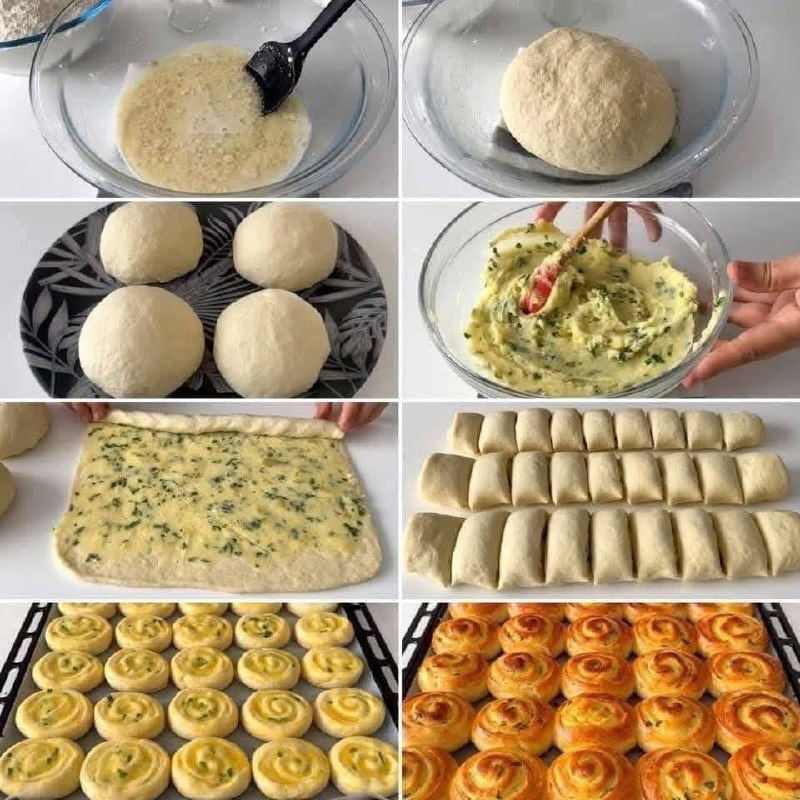
Welcome, fellow food lovers, to the delightful world of soft pastry dough! Today, we’re diving into a recipe that promises to transform simple ingredients into a truly spectacular savory treat. Imagine biting into a fluffy, tender swirl, rich with the aromatic embrace of herbed butter – a pastry so versatile, it can grace your breakfast table, elevate your snack game, or even serve as a sophisticated appetizer.
This isn’t just any dough; it’s a soft, pliable canvas, ready to absorb the incredible flavors we’re about to introduce. Forget tough, dry pastries; this recipe focuses on creating an incredibly tender crumb that practically melts in your mouth. The secret lies in a careful balance of ingredients and a gentle kneading process, resulting in a dough that’s a joy to work with and even more delightful to eat. Prepare to impress your family and friends with these visually stunning and unbelievably tasty savory swirls.
What makes this particular pastry so special is its combination of comforting familiarity with an elegant presentation. It’s the kind of dish that looks like it took hours of intricate work, but with our step-by-step guide, you’ll find it surprisingly accessible. We’ll walk you through crafting the perfect dough, preparing a vibrant herbed butter filling, and then shaping these beauties into their iconic swirled form. Get ready to experience the magic of soft pastry, a culinary adventure that promises delicious rewards!
Nutritional Information
Per serving (approximate values, based on 25 servings):
- Calories: 180-220 kcal
- Protein: 5-7g
- Carbohydrates: 25-30g
- Fat: 7-10g
- Fiber: 1-2g
- Sodium: 200-250mg
Ingredients
For the Soft Pastry Dough:
- 3 ½ cups (420g) all-purpose flour, plus more for dusting
- 2 ¼ teaspoons (7g) active dry yeast (one standard packet)
- ¼ cup (50g) granulated sugar
- 1 teaspoon salt
- 1 cup (240ml) lukewarm milk (dairy or non-dairy, around 105-115°F / 40-46°C)
- ¼ cup (60ml) lukewarm water (around 105-115°F / 40-46°C)
- 1 large egg, room temperature
- ¼ cup (56g) unsalted butter, melted and slightly cooled
For the Herbed Butter Filling:
- ½ cup (113g) unsalted butter, softened to room temperature
- 2-3 cloves garlic, minced very fine
- ¼ cup fresh parsley, finely chopped
- 2 tablespoons fresh chives, finely chopped
- 1 tablespoon fresh dill, finely chopped (optional, but recommended)
- ½ teaspoon salt, or to taste
- ¼ teaspoon black pepper, freshly ground, or to taste
For the Egg Wash (Optional):
- 1 large egg
- 1 tablespoon milk or water
Instructions
1. Crafting the Perfect Dough: From Ingredients to First Rise
- In a large mixing bowl, combine the flour, active dry yeast, granulated sugar, and salt. Whisk briefly to distribute the ingredients evenly.
- In a separate medium bowl, whisk together the lukewarm milk, lukewarm water, room temperature egg, and melted butter. Ensure the butter is not hot, as it can kill the yeast.
- Pour the wet ingredients into the dry ingredients. Using a wooden spoon or a stand mixer with a dough hook attachment, mix until a shaggy dough forms.
- Turn the dough out onto a lightly floured surface (or continue in the stand mixer). Knead for 8-10 minutes, until the dough is smooth, elastic, and no longer sticky. It should spring back slowly when poked. If using a stand mixer, knead on medium-low speed for about 6-8 minutes.
- Lightly grease a clean large bowl with a little oil. Place the kneaded dough into the bowl, turning it once to coat the top. Cover the bowl tightly with plastic wrap or a clean kitchen towel.
- Let the dough rise in a warm, draft-free place for 1 to 1.5 hours, or until it has doubled in size. This is the first proofing. A slightly warm oven (turned off) can be a good spot.
2. The Flavorful Filling: Herbed Butter Bliss
- While the dough is proofing, prepare the herbed butter filling. In a small bowl, combine the softened unsalted butter, minced garlic, finely chopped parsley, chives, and dill (if using).
- Add the salt and freshly ground black pepper.
- Using a fork or a small spatula, mash and mix all the ingredients together until thoroughly combined and the butter is smooth and spreadable. Set aside at room temperature.
3. Shaping Savory Swirls: Rolling, Spreading, and Cutting
- Once the dough has doubled in size, gently punch it down to release the air.
- Lightly flour a clean work surface. Turn the dough out onto the floured surface and gently shape it into a rectangle.
- Using a rolling pin, roll the dough into a large rectangle, approximately 18×12 inches (45×30 cm) and about ¼ inch (6mm) thick. Try to keep the edges as straight as possible for uniform swirls.
- Evenly spread the herbed butter filling over the entire surface of the rolled-out dough, leaving a small ½-inch border along one of the longer edges.
- Starting from the long edge opposite the border, carefully and tightly roll the dough into a log. Aim for a snug roll to ensure distinct swirls.
- Once rolled, gently pinch the seam closed along the length of the log.
- Using a sharp, un-serrated knife or even unflavored dental floss, cut the log into 1-inch thick slices. You should get approximately 25-30 pieces.
- Line two large baking sheets with parchment paper. Arrange the cut swirls on the prepared baking sheets, leaving about 1-2 inches of space between each piece to allow for expansion during the second proof and baking.
4. The Final Proof & Golden Bake: Achieving Perfection
- Cover the baking sheets loosely with plastic wrap or clean kitchen towels. Let the shaped pastries rise in a warm, draft-free place for another 30-45 minutes, or until they look visibly puffy and have increased in size (the second proof).
- Towards the end of the second proofing time, preheat your oven to 375°F (190°C).
- If desired, prepare an egg wash: whisk together 1 large egg with 1 tablespoon of milk or water. Gently brush the tops of the proofed pastries with the egg wash for a beautiful golden shine.
- Bake the pastries in the preheated oven for 15-25 minutes, rotating the baking sheets halfway through if necessary, until they are golden brown on top and cooked through. The internal temperature should register around 200-205°F (93-96°C) if using an instant-read thermometer.
- Remove the pastries from the oven and let them cool on the baking sheets for a few minutes before transferring them to a wire rack to cool slightly further.
Cooking Tips and Variations
Dough Softness is Key: For the softest dough, ensure your milk and water are lukewarm (not hot!) to activate the yeast without killing it. Using room temperature egg and melted, cooled butter also helps with a consistent dough texture. Don’t skimp on the kneading time; it develops the gluten, which is crucial for that tender, airy crumb.
Proofing Environment Matters: A warm, humid, and draft-free spot is ideal for proofing. If your kitchen is cool, you can turn your oven on for a minute or two, then turn it off and let the dough rise inside with the door slightly ajar. Alternatively, place the bowl of dough in a larger bowl of warm water.
Customize Your Herbs: While parsley, chives, and dill are fantastic, feel free to experiment with other fresh herbs. Thyme, oregano, rosemary (use sparingly as it’s potent), or even a touch of finely chopped green onion can add wonderful depth to the filling. Just make sure they are very finely chopped so they spread evenly and don’t tear the dough.
Cheesy Swirls: For an extra layer of savory goodness, sprinkle about ½ cup of finely grated Parmesan cheese or a mild cheddar over the herbed butter filling before rolling. This adds a delightful cheesy crust to the swirls.
Garlic Lovers Unite: If you’re a true garlic enthusiast, you can increase the amount of minced garlic in the filling to 4-5 cloves. You could also roast the garlic first for a sweeter, mellower flavor profile.
Sweet Alternative: While this recipe is designed for savory, the dough itself is versatile. For a sweet treat, you could fill it with a cinnamon-sugar mixture and a drizzle of melted butter, or even a fruit preserve.
Even Cuts: For perfectly uniform swirls, use a ruler to mark your log before cutting. A very sharp, un-serrated knife yields cleaner cuts. If you struggle with sticky dough, try chilling the rolled log in the refrigerator for 10-15 minutes before slicing; this firms up the butter and makes cutting easier.
Golden Finish: The egg wash isn’t just for looks; it helps create a beautiful golden-brown crust and adds a subtle richness. If you prefer a dairy-free option, you can brush with a little plant-based milk or even just water for a slightly less shiny finish.
Don’t Overbake: Keep a close eye on your pastries during the last few minutes of baking. They should be golden brown, but not overly dark, to maintain their softness. An instant-read thermometer is your best friend here, aiming for 200-205°F (93-96°C) in the center.
Storage and Reheating
At Room Temperature: These savory swirls are best enjoyed fresh from the oven, ideally on the same day they are baked. If you have leftovers, store them in an airtight container at room temperature for up to 1-2 days. The texture will soften slightly over time.
Refrigeration: For longer storage, you can refrigerate the pastries in an airtight container for up to 3-4 days. However, refrigeration can cause the dough to dry out slightly.
Freezing (Baked): These pastries freeze beautifully! Once completely cooled, place them in a single layer on a baking sheet and freeze for about an hour until solid. Then, transfer the frozen pastries to a freezer-safe bag or airtight container. They can be stored in the freezer for up to 2-3 months.
Reheating from Room Temperature/Refrigerated: To reheat, place the pastries on a baking sheet and warm them in a preheated oven at 300°F (150°C) for 5-10 minutes, or until heated through and softened. You can also microwave them for 15-30 seconds, but this might make them a little chewier.
Reheating from Frozen: No need to thaw! Place the frozen pastries on a baking sheet and reheat in a preheated oven at 325°F (160°C) for 15-20 minutes, or until warmed through and tender. Covering them loosely with foil during the first part of reheating can help prevent them from drying out.
Frequently Asked Questions
What if my dough isn’t rising?
If your dough isn’t rising, the most common culprits are inactive yeast or liquid that was too hot or too cold. Ensure your yeast is fresh and your milk/water is within the 105-115°F (40-46°C) range. If it’s still sluggish, your kitchen might be too cold; try placing the dough in a warmer spot, like a slightly warm (but turned off) oven or near a sunny window. Give it more time, sometimes yeast just needs a little encouragement!
Can I make the dough ahead of time?
Absolutely! You can prepare the dough up to the end of the first proofing. After it has doubled in size, gently punch it down, place it in a lightly oiled bowl, cover tightly with plastic wrap, and refrigerate for up to 24 hours. When you’re ready to bake, remove the dough from the fridge and let it come to room temperature for about 30-45 minutes before rolling and shaping. This allows the dough to relax and become more pliable.
My pastries are dry. What went wrong?
Dry pastries are usually a sign of overbaking. Keep a close eye on them towards the end of the baking time. Ovens can vary, so the suggested time is a guideline. They should be golden brown and cooked through but still soft to the touch. Another factor could be too much flour during kneading or rolling, which can dry out the dough. Use just enough flour to prevent sticking.
Can I use dried herbs instead of fresh?
While fresh herbs provide the best flavor and vibrant color for this recipe, you can substitute with dried herbs if necessary. As dried herbs are more concentrated, use about one-third of the amount specified for fresh herbs. For example, if the recipe calls for ¼ cup fresh parsley, use about 2-3 teaspoons of dried parsley. Rehydrate them slightly by mixing them into the softened butter a bit earlier.