

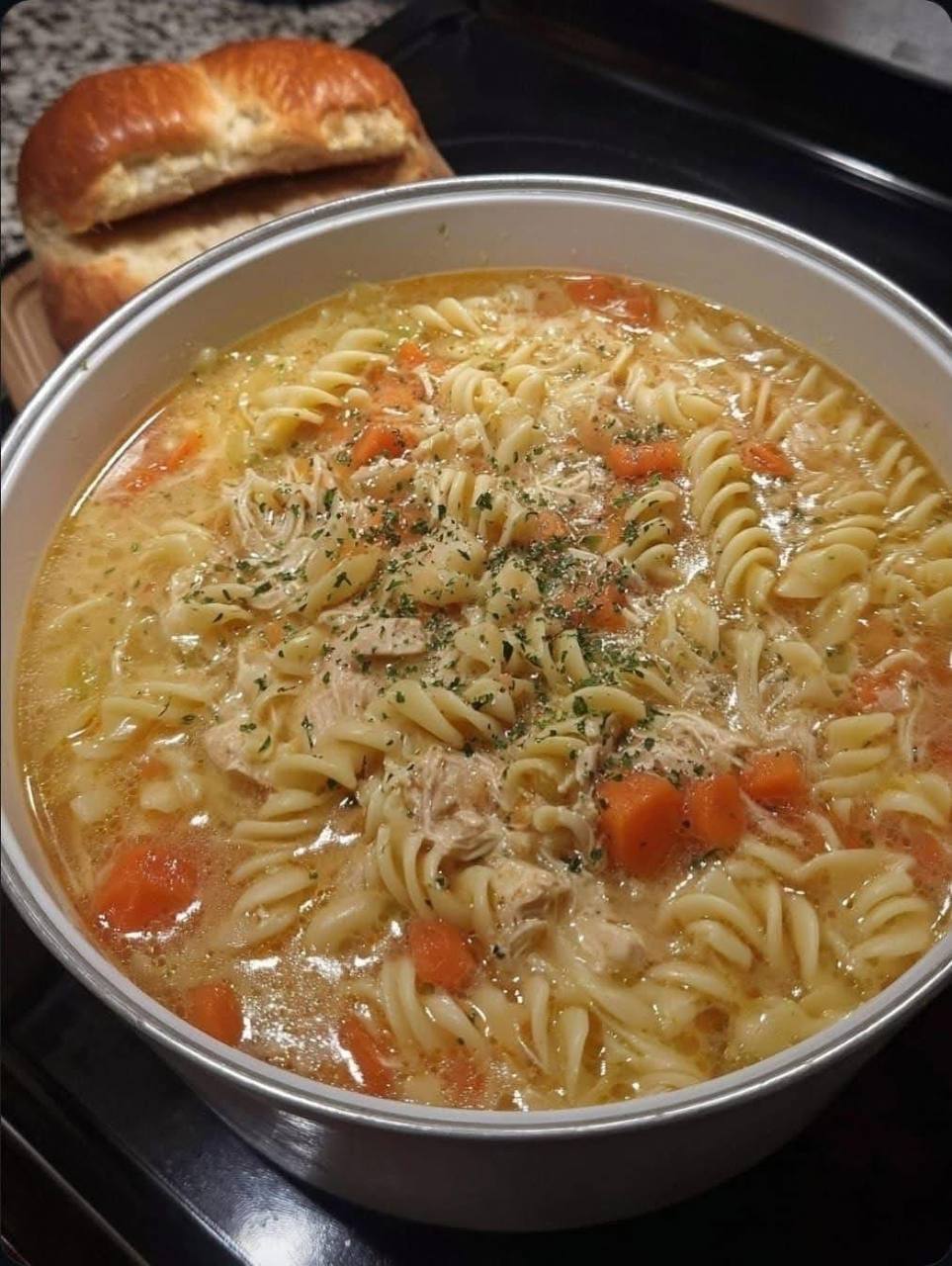
Chicken Noodle Soup
There are few dishes as universally beloved and deeply comforting as a warm bowl of homemade chicken noodle soup. It’s more than just a meal; it’s a hug in a bowl, a remedy for cold days, and a comforting presence when you’re feeling under the weather. From childhood memories of grandma’s kitchen to a quick weeknight dinner, this classic soup holds a special place in our hearts and on our tables. Its appeal lies in its simplicity, its hearty satisfaction, and the incredible warmth it imparts, making it the ultimate comfort food.
This recipe for chicken noodle soup elevates the classic to new heights, focusing on rich, savory flavors and perfectly balanced textures. We’re talking tender, juicy chicken, perfectly al dente rotini noodles, and a medley of fresh, vibrant vegetables swimming in a golden, aromatic broth. Unlike its canned counterparts, this homemade version offers unparalleled taste and allows you complete control over the quality of your ingredients, ensuring a healthier and more delicious result. It’s a simple yet profoundly satisfying dish that promises to nourish both body and soul, proving that sometimes, the most basic ingredients can create the most extraordinary flavors.
What makes our chicken noodle soup truly special is the depth of flavor we achieve in the broth and the thoughtful selection of ingredients. We’ll guide you through creating a rich, savory foundation that sings with every spoonful, ensuring your chicken is moist and flavorful, and your noodles are never mushy. Whether you’re battling a sniffle, warming up on a chilly evening, or simply craving a taste of home, this recipe delivers an experience that is both therapeutic to prepare and utterly delightful to eat. Get ready to stir up some magic in your kitchen and fill your home with the inviting aroma of this timeless classic.
Nutritional Information
Per serving (approximate values):
- Calories: 380
- Protein: 30g
- Carbohydrates: 35g
- Fat: 15g
- Fiber: 4g
- Sodium: 850mg
Ingredients
- 1 tablespoon olive oil
- 1 tablespoon unsalted butter
- 1 large yellow onion, diced
- 2 large carrots, peeled and diced (about 1 cup)
- 2 stalks celery, diced (about 1 cup)
- 3 cloves garlic, minced
- 8 cups (2 liters) low-sodium chicken broth, preferably homemade
- 2 cups shredded cooked chicken (from about 1 large chicken breast or rotisserie chicken)
- 1 cup dry rotini (fusilli) pasta
- 1 teaspoon dried thyme
- 1/2 teaspoon dried rosemary, crushed
- 1/4 cup fresh parsley, chopped, plus more for garnish
- Salt and freshly ground black pepper to taste
- Optional: 1/4 cup heavy cream or milk for a slightly creamier broth
- Optional: Crusty bread (like challah) for serving
Instructions
- Prepare the Aromatics: In a large Dutch oven or soup pot, heat the olive oil and butter over medium heat. Add the diced onion, carrots, and celery. Sauté for 8-10 minutes, stirring occasionally, until the vegetables begin to soften and the onion is translucent.
- Add Garlic and Herbs: Stir in the minced garlic, dried thyme, and dried rosemary. Cook for another 1-2 minutes until fragrant, being careful not to burn the garlic.
- Build the Broth: Pour in the chicken broth. Bring the mixture to a gentle boil, then reduce the heat to low, cover, and simmer for at least 20-30 minutes to allow the flavors to meld. The longer it simmers, the richer the broth will become.
- Add Chicken and Pasta: Increase the heat to medium-high. Add the shredded cooked chicken and the dry rotini pasta to the pot. Cook according to the pasta package directions, usually 7-10 minutes, or until the pasta is al dente. Stir occasionally to prevent the pasta from sticking.
- Season and Finish: Once the pasta is cooked, stir in the fresh chopped parsley. Taste the soup and season generously with salt and freshly ground black pepper. Remember that broth can vary in sodium content, so adjust accordingly.
- Optional Creaminess: If you desire a slightly creamier broth, stir in 1/4 cup of heavy cream or milk at this stage and heat through gently for 1-2 minutes, but do not boil.
- Serve: Ladle the hot chicken noodle soup into bowls. Garnish with a sprinkle of fresh parsley and serve immediately, ideally with a side of crusty bread for dipping.
Cooking Tips and Variations
Achieving a truly rich and flavorful broth is the cornerstone of an exceptional chicken noodle soup. If you have the time, making your own chicken broth from scratch using bone-in chicken pieces and aromatic vegetables will yield the most profound depth of flavor. However, if time is short, opt for a high-quality, low-sodium store-bought chicken broth or stock. You can enhance its flavor by simmering it with an extra onion, a few cloves of garlic, and a sprig of fresh thyme for 30 minutes before adding the main ingredients. Another pro tip for a richer broth is to brown the chicken pieces slightly before adding the liquid, even if you’re using pre-cooked chicken, as this develops a deeper umami flavor.
Preventing mushy noodles is crucial for a great soup experience, especially if you plan on having leftovers. The key is to add the pasta towards the end of the cooking process, ensuring it only cooks until al dente. If you anticipate having a lot of leftovers, consider cooking the pasta separately and adding it to individual bowls just before serving. This way, the noodles won’t absorb too much liquid and become waterlogged or mushy when stored in the soup. Alternatively, use a heartier pasta shape like egg noodles or rotini, which tend to hold up better than thinner varieties.
This recipe is wonderfully versatile and open to many ingredient substitutions and variations. Feel free to experiment with different vegetables; bell peppers, peas, corn, or spinach are excellent additions that boost nutrition and color. For a different texture or flavor profile, swap out the rotini for egg noodles, ditalini, or even small shells. If you don’t have fresh herbs, dried herbs work well, but remember that dried herbs are more concentrated, so use about half the amount. For a touch of heat, a pinch of red pepper flakes can be added. To make it a bit heartier, you could add some diced potatoes or white beans. For those looking for a slightly thicker consistency without cream, a cornstarch slurry (1 tablespoon cornstarch mixed with 2 tablespoons cold water) can be stirred in at the end and simmered until thickened.
For a quick shortcut, especially on busy weeknights, a pre-cooked rotisserie chicken is your best friend. Simply shred the meat and add it to the soup. If you prefer to cook your chicken from raw, bone-in, skin-on chicken thighs or breasts can be simmered directly in the broth during the initial stages. Once cooked through, remove, shred, and return the meat to the pot. This method infuses even more chicken flavor into your broth. When serving, a generous sprinkle of fresh herbs like parsley or dill not only adds a burst of color but also a fresh, vibrant aroma. And of course, don’t forget the crusty bread – a warm, slice of challah or a French baguette is perfect for soaking up every last drop of that delicious broth.
Storage and Reheating
To store leftover chicken noodle soup, allow it to cool completely at room temperature (this usually takes about 1-2 hours) before transferring it to airtight containers. Refrigerate promptly. The soup will keep well in the refrigerator for 3-4 days. For longer storage, chicken noodle soup freezes beautifully for up to 2-3 months. If freezing, it’s often best to remove the pasta before freezing or cook the pasta separately when reheating, as freezing and thawing can sometimes alter the texture of the noodles, making them softer than desired. Store the broth and chicken mixture in freezer-safe containers or heavy-duty freezer bags, leaving some headspace for expansion.
When ready to reheat, thaw frozen soup overnight in the refrigerator or use the defrost setting on your microwave. Reheat individual portions in the microwave on high for 2-3 minutes, stirring halfway through, until heated through. For larger quantities, gently reheat the soup on the stovetop over medium-low heat, stirring occasionally, until simmering. If you separated the pasta, add freshly cooked pasta to the hot soup before serving. If the soup has thickened too much during storage, you can add a splash of extra chicken broth or water to reach your desired consistency. Always ensure the soup is piping hot before serving.
Frequently Asked Questions
Can I make this soup vegetarian?
Yes, you can easily adapt this recipe to be vegetarian. Simply substitute the chicken broth with vegetable broth and omit the chicken entirely. You can add extra vegetables like zucchini, mushrooms, or bell peppers, or even some chickpeas or white beans for added protein and texture.
What’s the best way to prevent the noodles from getting mushy?
The best way to prevent mushy noodles is to add them towards the end of the cooking process, just until they are al dente. If you anticipate having leftovers, consider cooking the pasta separately and adding it to individual bowls of soup just before serving. This ensures the noodles retain their ideal texture.
Can I use fresh herbs instead of dried herbs?
Absolutely! Fresh herbs will provide an even brighter and more vibrant flavor. If using fresh thyme and rosemary, use about 1 tablespoon of each, chopped. Add them along with the minced garlic. Fresh parsley should still be added at the very end for garnish and a fresh burst of flavor.
How can I make the broth thicker?
If you prefer a thicker broth, there are a few options. You can create a cornstarch slurry by whisking 1 tablespoon of cornstarch with 2 tablespoons of cold water, then stir it into the simmering soup and cook for a few minutes until it thickens. Alternatively, you can mash a portion of the cooked carrots and potatoes (if using) directly into the soup to naturally thicken it, or add a splash of heavy cream for a richer, slightly thicker consistency.