

Introduction
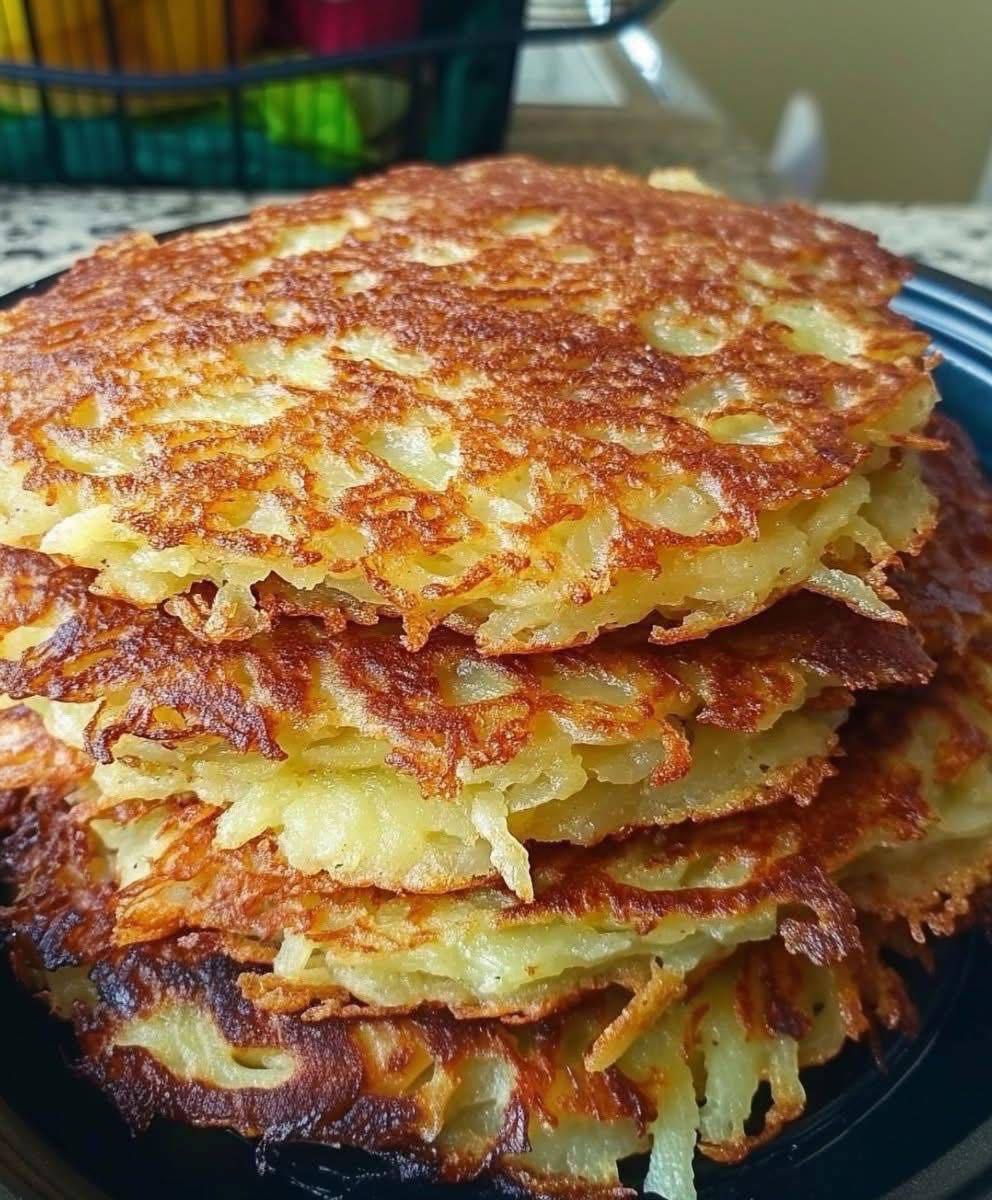
There’s something undeniably comforting about the golden-brown crust and tender interior of a perfectly made potato pancake. Originating from the heart of Germany, these crispy delights, known as Reibekuchen or Kartoffelpuffer, are more than just a side dish; they’re a culinary tradition. Imagine the bustling atmosphere of a German Christmas market, the air filled with the scent of spices and frying potatoes – that’s the essence of these irresistible fritters. Whether served hot off the griddle with a dollop of applesauce or sour cream, they evoke a sense of warmth and nostalgia that’s hard to beat.
What makes German potato pancakes truly special is their incredible texture: a marvel of crispiness on the outside, yielding to a soft, savory potato interior. This delightful contrast is achieved through a few crucial steps that we’ll explore, transforming humble potatoes into a dish worthy of celebration. Traditionally enjoyed during festive seasons, as a hearty snack, or alongside various main courses, their versatility is as appealing as their flavor. Get ready to master the art of making authentic, perfectly crispy potato pancakes right in your own kitchen.
In this comprehensive guide, you’ll learn everything you need to know to create these golden gems. From selecting the ideal potato variety to the secret of achieving that coveted crunch, we’ll walk you through each step. Prepare to impress your family and friends with a taste of German heritage, turning simple ingredients into a truly extraordinary culinary experience. Let’s get cooking!
Nutritional Information
Per serving (approximate values):
- Calories: 250 kcal
- Protein: 4g
- Carbohydrates: 25g
- Fat: 15g
- Fiber: 3g
- Sodium: 300mg
Ingredients
- 2 lbs (about 4-5 medium) starchy potatoes (Russet or Idaho)
- 1 small yellow onion, finely grated
- 1 large egg, lightly beaten
- 1/4 cup all-purpose flour (or gluten-free flour blend)
- 1 teaspoon salt
- 1/2 teaspoon black pepper
- 1/4 teaspoon freshly grated nutmeg (optional, but recommended)
- 1/2 cup vegetable oil, canola oil, or avocado oil for frying (more if needed)
- Applesauce for serving
- Sour cream for serving
Instructions
- Prepare the Potatoes and Onion: Peel the potatoes and finely grate them using a box grater or a food processor with a grating attachment. Immediately grate the small yellow onion and mix it with the grated potatoes to prevent the potatoes from browning too quickly.
- Remove Excess Moisture (Crucial Step!): Place the grated potato and onion mixture into a clean kitchen towel or several layers of cheesecloth. Gather the edges of the towel and twist tightly, squeezing out as much liquid as possible over a sink or bowl. This step is critical for achieving crispy pancakes and preventing them from becoming soggy. You’ll be surprised how much liquid comes out!
- Combine Ingredients: Transfer the squeezed potato and onion mixture to a large mixing bowl. Add the lightly beaten egg, all-purpose flour, salt, black pepper, and optional nutmeg. Mix everything together thoroughly until well combined. The mixture should hold its shape when pressed.
- Heat the Oil: Heat about 1/2 inch of oil in a large, heavy-bottomed skillet (cast iron works wonderfully) over medium-high heat. The oil is ready when a small amount of the potato mixture sizzles immediately upon contact. It’s important to maintain a consistent oil temperature.
- Form and Fry the Pancakes: Using a tablespoon or a 1/4 cup measuring cup, scoop portions of the potato mixture and gently flatten them into thin, oval or round pancakes, about 1/4 to 1/2 inch thick. Carefully place the pancakes into the hot oil, making sure not to overcrowd the pan. Cook in batches to maintain the oil temperature and ensure even browning.
- Cook Until Golden and Crispy: Fry the potato pancakes for 4-6 minutes per side, or until they are deeply golden brown and wonderfully crispy. The exact cooking time will depend on their thickness and your stove’s heat. Use a spatula to gently flip them.
- Drain Excess Oil: Once cooked, remove the potato pancakes from the skillet and place them on a wire rack set over a baking sheet lined with paper towels. This will allow any excess oil to drain off, keeping them crisp.
- Keep Warm (Optional): If cooking multiple batches, you can keep the cooked pancakes warm in a single layer on a baking sheet in an oven preheated to a low temperature (around 200°F / 95°C) while you finish frying the rest.
- Serve Immediately: Serve the hot, crispy German potato pancakes immediately with a side of applesauce and/or sour cream.
Cooking Tips and Variations
Choosing the Right Potato: Starchy potatoes like Russet or Idaho are your best friends here. Their lower water content and higher starch content contribute significantly to that desired crispiness. Waxy potatoes tend to yield a gummier texture. If you can only find all-purpose potatoes, you might need to squeeze out even more moisture.
The Moisture Squeeze is Non-Negotiable: We can’t stress this enough! Soggy pancakes are almost always due to insufficient moisture removal. After grating, wrap the potatoes tightly in a clean kitchen towel or cheesecloth and wring, wring, wring! You’ll be amazed at the amount of liquid that comes out. This step is the secret to a truly crispy Reibekuchen.
Don’t Skimp on the Oil Temperature: A consistent medium-high heat is key. If the oil isn’t hot enough, the pancakes will absorb too much oil and become greasy and heavy instead of crispy. If it’s too hot, they’ll burn on the outside before cooking through. Test with a tiny piece of potato; it should sizzle immediately.
Avoid Overcrowding the Pan: Frying too many pancakes at once lowers the oil temperature, leading to less crispy results. Cook in batches, leaving enough space between each pancake for even browning and easy flipping.
The Binder Balance: The egg and a small amount of flour or starch (like cornstarch or potato starch) are essential binders. They help the grated potatoes hold their shape. Don’t add too much flour, or your pancakes might become dense. If your mixture feels too wet even after squeezing, a tablespoon more flour can help.
Seasoning is Key: Don’t underestimate the power of salt, pepper, and a pinch of nutmeg. The nutmeg adds a traditional, subtle warmth that perfectly complements the potato. Taste a tiny bit of the raw mixture (before adding egg if you’re concerned) to adjust seasonings.
Serving Warm is Best: Potato pancakes are at their peak crispiness and flavor right after frying. If you’re making a large batch, keep them warm in a single layer on a baking sheet in a low oven (around 200°F / 95°C) while you finish cooking the rest.
Modern Twists: While applesauce and sour cream are classic, feel free to experiment!
- Savory Enhancements: Stir in a tablespoon of chopped fresh chives or parsley into the batter. Serve with smoked salmon and a dollop of crème fraîche, or with a sprinkle of crispy bacon bits. A sprinkle of paprika or a pinch of cayenne pepper can add a subtle kick.
- Sweet Variations: For a dessert-like experience, sprinkle with cinnamon sugar after frying.
- Cheesy Goodness: A small amount of finely grated Parmesan or Gruyère cheese can be added to the batter for a savory, cheesy twist.
- Spice It Up: Experiment with different spice blends. A touch of garlic powder or onion powder can deepen the savory flavor.
Using a Food Processor: While a box grater works, a food processor with a grating disc can significantly speed up the potato and onion preparation. Just be careful not to over-process them into a paste; you want distinct shreds.
Storage and Reheating
Storage:
Leftover German potato pancakes are best stored in an airtight container in the refrigerator for up to 2-3 days. While they won’t be as crispy as fresh, they still retain good flavor.
Reheating:
The key to reheating is to bring back some of that crispiness. Avoid the microwave, as it will make them soggy.
- Oven Method: Preheat your oven or toaster oven to 350°F (175°C). Place the pancakes in a single layer on a baking sheet and bake for 10-15 minutes, or until heated through and crispy again.
- Skillet Method: Heat a small amount of oil in a non-stick skillet over medium heat. Place the pancakes in the skillet and cook for 2-3 minutes per side, until hot and re-crisped. This method often yields the best results for regaining crispiness.
- Air Fryer Method: For a quick and efficient reheat, place pancakes in a single layer in an air fryer basket. Air fry at 350°F (175°C) for 5-8 minutes, flipping halfway, until hot and crispy.
Frequently Asked Questions
Why are my potato pancakes soggy?
Soggy potato pancakes are almost always due to too much moisture in the grated potatoes. It is absolutely crucial to squeeze out as much liquid as possible from the grated potato and onion mixture using a clean kitchen towel or cheesecloth. Additionally, ensure your oil is hot enough when frying; if the oil is too cool, the pancakes will absorb it and become greasy rather than crisp.
Can I make German potato pancakes ahead of time?
While potato pancakes are best enjoyed immediately after frying for maximum crispiness, you can prepare the potato mixture a few hours in advance. Store the squeezed and mixed batter in an airtight container in the refrigerator. You might notice some liquid accumulating at the bottom; simply drain it off and give the mixture a quick stir before frying. Cooked pancakes can be reheated, but they won’t be quite as crispy as fresh.
What kind of potatoes are best for Reibekuchen?
Starchy potatoes, such as Russet or Idaho, are ideal for German potato pancakes. Their high starch content and lower moisture content help create a wonderfully crispy exterior and a tender, fluffy interior. Waxy potatoes, on the other hand, tend to result in a gummier texture that doesn’t crisp up as well.
What are some traditional toppings for German potato pancakes?
The most traditional and popular toppings for German potato pancakes are applesauce (Apfelmus) and sour cream (Schmand or Saure Sahne). Some people also enjoy them with a sprinkle of sugar or cinnamon sugar, especially in sweeter regions. For savory options, they pair well with smoked salmon, various meats, or a simple sprinkle of fresh chives.