

Introduction
Ah, the humble baked potato. Often relegated to a side dish, it possesses the power to be so much more. A truly perfect baked potato is a culinary marvel: a symphony of textures and flavors that, despite its simplicity, can elevate any meal or stand proudly as a satisfying centerpiece. Forget the dry, bland, or soggy versions you might have encountered; we’re talking about a golden-skinned masterpiece, bursting with fluffy, steamy goodness, ready to be adorned with your favorite toppings. It’s comfort food at its finest, a blank canvas for culinary creativity, and a testament to the idea that sometimes, the simplest things are indeed the most profound.
What defines this perfection? It begins with a skin that’s not just edible, but desirably crispy and slightly salty, offering a delightful contrast to the cloud-like interior. Inside, the potato should be light, airy, and mealy – never dense or gluey – practically dissolving on your tongue. And beneath it all, that unmistakable earthy potato flavor, rich and deeply satisfying. This isn’t just about cooking a potato; it’s about transforming it into an experience, a simple yet profound joy that resonates with warmth and deliciousness.
In this guide, we’ll unlock the secrets to achieving this ultimate baked potato experience. We’ll walk through every step, from selecting the ideal spud to the precise baking techniques that guarantee a crispy skin and a gorgeously fluffy interior every single time. Get ready to banish mediocre baked potatoes from your life forever and embrace the art of baking perfection. With just a few key techniques and the right ingredients, you’ll be creating baked potatoes that are so good, they might just steal the show.
Nutritional Information
Per serving (approximate values, based on one medium Russet potato with 1 tbsp butter and 1 tbsp chives):
- Calories: 250 calories
- Protein: 5g
- Carbohydrates: 40g
- Fat: 10g
- Fiber: 4g
- Sodium: 150mg
Ingredients
- 4 medium to large Russet potatoes (about 8-10 ounces each)
- 1 tablespoon olive oil or avocado oil
- 1 teaspoon coarse sea salt or kosher salt
- 1/4 teaspoon black pepper (optional)
- 4 tablespoons unsalted butter, softened (for serving)
- 2 tablespoons fresh chives, finely chopped (for serving)
- Optional toppings: sour cream, shredded cheddar cheese, bacon bits, green onions, chili, salsa, etc.
Instructions
- Preheat Oven: Preheat your oven to 400°F (200°C). For best results and even baking, ensure the oven is fully preheated for at least 15-20 minutes before placing the potatoes inside.
- Prepare Potatoes: Thoroughly wash and scrub the Russet potatoes under cold running water to remove any dirt. Gently pat them completely dry with a clean paper towel. This step is crucial for achieving crispy skin, as excess moisture can lead to a soggy exterior.
- Pierce Potatoes: Using a fork, pierce each potato about 6-8 times all over. This allows steam to escape during baking, preventing the potatoes from bursting and helping the interior to cook evenly and become fluffy.
- Oil and Season: Drizzle each potato with approximately 1/2 teaspoon of olive oil or avocado oil. Rub the oil evenly over the entire surface of each potato. Then, sprinkle generously with coarse sea salt and, if desired, a pinch of black pepper, ensuring the seasoning adheres to the oiled skin. The oil helps crisp the skin, and the salt enhances the flavor and contributes to the crispy texture.
- Bake Potatoes: Place the seasoned potatoes directly on the middle rack of the preheated oven. Placing them directly on the rack allows for optimal air circulation, which is key for crispy skin. You can place a baking sheet on the rack below to catch any potential drips, though this is usually minimal.
- Bake Until Tender: Bake for 45-60 minutes, or until the potatoes are fork-tender. The exact baking time will depend on the size of your potatoes and your oven’s calibration. To check for doneness, carefully insert a fork or a thin skewer into the center of the potato; it should slide in with very little resistance. The skin should also appear visibly crisp and slightly browned.
- Check Internal Temperature (Optional but Recommended): For ultimate precision, a perfectly baked potato will reach an internal temperature of 205-212°F (96-100°C). Use an instant-read thermometer inserted into the thickest part of the potato.
- Finish and Fluff: Once baked, carefully remove the hot potatoes from the oven. Immediately, using oven mitts, make a lengthwise slit across the top of each potato, being careful not to cut all the way through. Gently squeeze the ends of the potato towards the center, causing the fluffy interior to burst open.
- Fluff the Interior: Take a fork and gently fluff the exposed potato flesh. This incorporates air, making the interior even lighter and more ethereal.
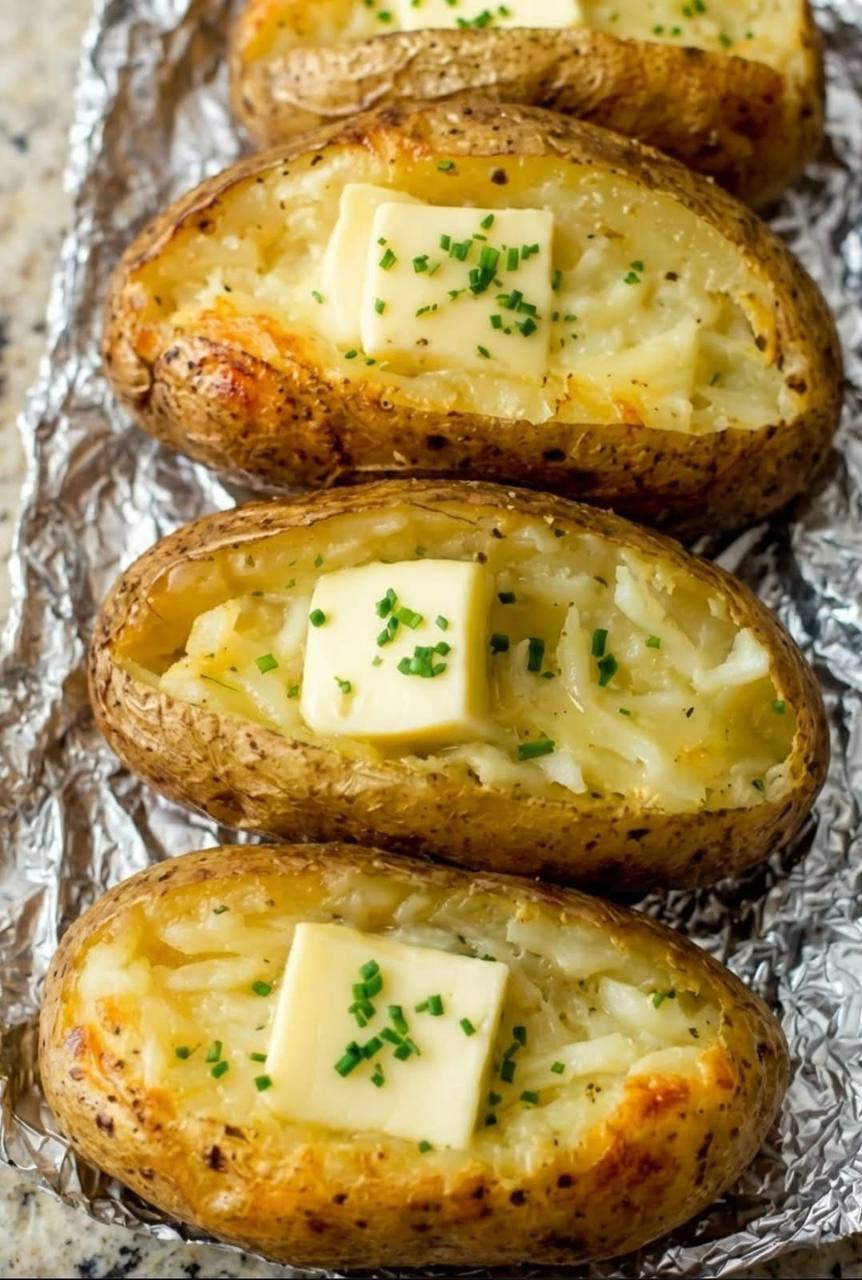
- Add Toppings and Serve: Place a generous pat of softened butter into the center of each fluffed potato, allowing it to melt into the hot flesh. Sprinkle generously with freshly chopped chives. Serve immediately and enjoy your perfectly baked potato, adding any other desired toppings.
Cooking Tips and Variations
The journey to the perfect baked potato is paved with simple yet crucial techniques. Here are some tips to ensure success every time, along with ideas to customize your culinary creation.
Choosing the Right Potato: This is perhaps the most critical step. Always opt for Russet potatoes, also known as Idaho potatoes. Their high starch content and low moisture make them ideal for baking, resulting in that coveted fluffy, mealy interior. Waxy potatoes (like red or Yukon Golds) will yield a denser, creamier texture, which is delicious for other dishes but not for a classic “perfect” baked potato.
Don’t Wrap in Foil (for crispy skin): While it might seem convenient, baking potatoes wrapped in aluminum foil steams them rather than bakes them. This results in a soft, often soggy skin, which defeats the purpose of a truly perfect baked potato. For a crispy skin, always bake your potatoes directly on the oven rack.
The Importance of Drying: After washing, ensure your potatoes are thoroughly dry before applying oil and salt. Any residual moisture will create steam and prevent the skin from crisping up properly.
Salt is Key: Don’t skimp on the coarse salt for the skin. It not only adds flavor but also helps draw out moisture, contributing to that irresistible crispy texture. Sea salt or kosher salt works best.
High Heat is Your Friend: A baking temperature of 400-425°F (200-220°C) is ideal. This high heat helps the exterior crisp quickly while the interior slowly bakes to perfection.
Test for Doneness Properly: A truly baked potato will feel soft and yielding when squeezed (carefully, with an oven mitt!). A fork or skewer should slide into the center with no resistance. If there’s any firmness, it needs more time. Don’t rely solely on the timer; potato sizes vary.
The Fluffing Technique: As soon as the potato comes out of the oven, make that lengthwise slit and immediately squeeze the ends together. Then, take a fork and gently scrape and fluff the interior. This aerates the potato, creating that light, ethereal texture that’s so desirable. Do this while it’s hot to maximize steam release and fluffiness.
Variations: The beauty of the baked potato lies in its versatility. While butter and chives are classic, here are some other delicious topping ideas:
- The Works: Sour cream, shredded cheddar cheese, crispy bacon bits, and sliced green onions.
- Chili Cheese: A ladle of your favorite chili (beef or vegetarian) topped with shredded cheese and a dollop of sour cream.
- Broccoli Cheddar: Steamed broccoli florets, melted cheddar cheese sauce, and a sprinkle of black pepper.
- Mediterranean: A dollop of Greek yogurt or tzatziki, chopped cucumber, tomatoes, olives, and a sprinkle of feta cheese.
- Mexican Fiesta: Salsa, black beans, corn, avocado, and a squeeze of lime.
- Herb Butter: Mix softened butter with finely chopped fresh herbs like parsley, rosemary, or thyme for an aromatic twist.
- Sweet Potato Baked: While technically a different potato, a baked sweet potato with butter, cinnamon, and a drizzle of maple syrup is a delightful alternative.
As a Meal: A baked potato isn’t just a side. Load it up with protein like leftover pulled pork, shredded chicken, or even a fried egg, and it becomes a hearty, satisfying meal on its own.
Storage and Reheating
While a freshly baked potato is undeniably at its peak, sometimes you have leftovers or want to prepare them ahead. Proper storage and reheating can help maintain their quality.
Storage:
- Cool Completely: Allow any leftover baked potatoes to cool completely to room temperature within two hours of baking. This prevents bacterial growth and condensation.
- Refrigerate Promptly: Once cooled, store the baked potatoes in an airtight container or wrap them tightly in plastic wrap or aluminum foil.
- Shelf Life: Stored properly in the refrigerator, baked potatoes will remain safe to eat for up to 3-4 days.
- Freezing (Not Recommended): While technically possible, freezing baked potatoes is generally not recommended. The texture can become mealy and watery upon thawing and reheating, losing much of its desirable fluffiness. It’s best to enjoy them fresh or within a few days from the refrigerator.
Reheating:
Reheating baked potatoes can be tricky, as the goal is to revive the crispy skin and fluffy interior without drying them out or making them soggy. Avoid the microwave if possible, as it tends to make the skin soft and the interior gummy.
Best Method (Oven for Crispy Skin):
- Preheat your oven to 400°F (200°C).
- Place the refrigerated baked potatoes directly on the oven rack.
- Bake for 15-20 minutes, or until heated through and the skin has re-crisped. The exact time will depend on the size of the potato.
- Flip the potatoes halfway through to ensure even heating and crisping.
- Check for an internal temperature of 165°F (74°C) to ensure they are safely reheated.
Alternative Method (Air Fryer for Quick Crisp):
- Preheat your air fryer to 375°F (190°C).
- Place the refrigerated baked potato in the air fryer basket.
- Cook for 8-12 minutes, flipping halfway through, until heated through and the skin is crispy.
Microwave (Use with Caution): If you must use a microwave, be aware that the skin will not be crispy.
- Place the potato on a microwave-safe plate.
- Microwave on high for 2-3 minutes, flipping halfway through, until heated through.
- For a slightly better texture, you can then transfer the microwaved potato to a hot oven or air fryer for a few minutes to try and crisp up the skin, though it may not reach the same level of crispness as a freshly baked potato.
When reheating, always serve immediately after heating to enjoy the best possible texture and flavor.
Frequently Asked Questions
What kind of potatoes are best for baking?
For the classic “perfect baked potato” with a crispy skin and fluffy interior, Russet potatoes (also known as Idaho potatoes) are by far the best choice. Their high starch content and low moisture are ideal for achieving that light, mealy texture when baked. Other potato varieties, like Yukon Gold or red potatoes, are waxier and will result in a denser, creamier texture, which is not what we’re aiming for in this recipe.
Why do I need to pierce the potatoes before baking?
Piercing the potatoes with a fork several times before baking is a crucial step to allow steam to escape from the potato during the cooking process. Without these tiny vents, the steam can build up pressure inside the potato, potentially causing it to burst open in your oven. It also helps the potato cook more evenly and prevents a gummy interior.
Can I bake potatoes in aluminum foil?
While you can bake potatoes wrapped in aluminum foil, it’s generally not recommended if you’re aiming for a crispy skin. Baking in foil essentially steams the potato, resulting in a softer, moister skin. For that desirable crispy exterior, always bake your potatoes directly on the oven rack, allowing the hot air to circulate freely around the skin.
How do I know when my baked potato is perfectly cooked?
A perfectly baked potato will be fork-tender all the way through, with no resistance when you insert a fork or skewer into its thickest part. The skin should also be visibly crispy and slightly browned. For ultimate precision, you can use an instant-read thermometer; the internal temperature should reach between 205-212°F (96-100°C).