

Introduction
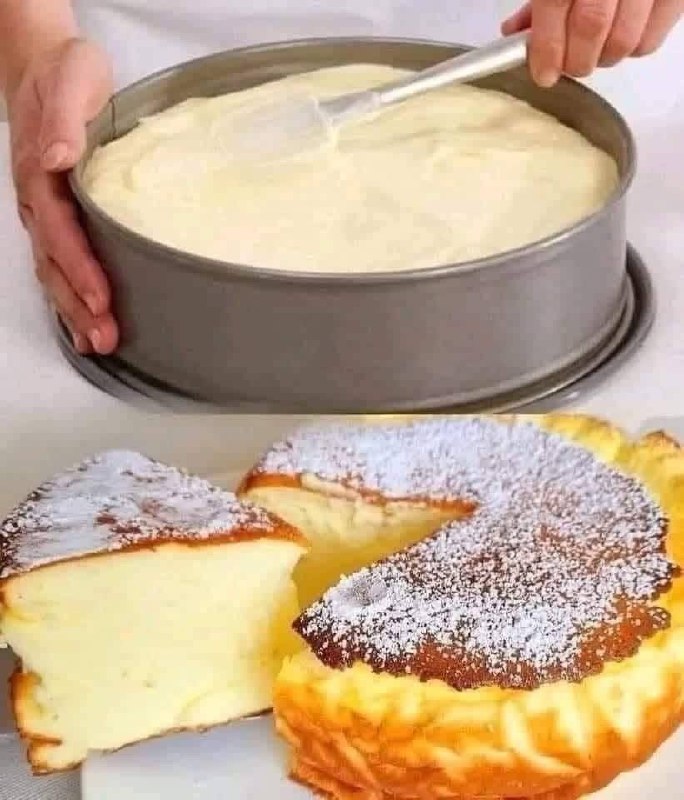
There are some desserts that transcend mere sustenance, becoming an experience, a memory, a warm embrace in culinary form. Our “Classic Cake with Vanilla Butter and Buttermilk Sauce” (a name that hints at the layers of flavor within!) is precisely that kind of masterpiece. Imagine a cake so impossibly light, so ethereally fluffy, that each bite melts on your tongue, leaving behind a whisper of vanilla, the richness of butter, and a delicate tang that keeps you coming back for more. This isn’t just any cake; it’s a celebration of simple, pure ingredients transformed into something extraordinary, a testament to the magic of baking.
While the name might conjure images of a traditional dense cake, the reality of this recipe is a delightful surprise. Inspired by the captivating texture of Japanese Cotton Cheesecakes, this “classic cake” redefines expectations. It’s a cake that uses buttermilk not as a mere addition, but as a crucial element that contributes to its unparalleled moistness and delicate crumb, making it incredibly tender and almost soufflé-like. The “vanilla butter” isn’t a separate frosting, but rather the harmonious blend of rich butter and fragrant vanilla infused directly into the cake batter, creating a sophisticated depth of flavor that is both comforting and utterly addictive.
Perfect for any occasion, from a casual afternoon tea to a festive dinner party, this cake promises to impress with its elegant simplicity and remarkable texture. It’s a versatile dessert that shines on its own, perhaps with just a dusting of powdered sugar, or can serve as a canvas for fresh berries or a light fruit compote. The process, while requiring a gentle touch, is immensely rewarding, culminating in a baked creation that is as beautiful to behold as it is delightful to devour. Prepare to fall in love with a new classic that will quickly become a cherished favorite in your baking repertoire.
Nutritional Information
Per serving (approximate values):
- Calories: 350
- Protein: 8g
- Carbohydrates: 40g
- Fat: 18g
- Fiber: 1g
- Sodium: 250mg
Ingredients
- 120g (1/2 cup + 1 tbsp) unsalted butter, softened
- 150g (3/4 cup) granulated sugar, divided
- 4 large eggs, separated, at room temperature
- 1 teaspoon pure vanilla extract
- 120ml (1/2 cup) buttermilk, at room temperature
- 80g (2/3 cup) all-purpose flour, sifted
- 20g (2 tablespoons) cornstarch, sifted
- 1/2 teaspoon baking powder
- 1/4 teaspoon salt
- 100g (about 3.5 oz) full-fat cream cheese, softened (optional, for a richer, more cheesecake-like texture)
- 1/4 teaspoon cream of tartar (optional, for stabilizing egg whites)
- Powdered sugar, for dusting
- Parchment paper
- Cooking spray or additional butter for greasing
Instructions
- Prepare Your Pan and Oven: Preheat your oven to 325°F (160°C). Grease a 9-inch (23 cm) springform pan generously with butter or cooking spray. Line the bottom of the pan with a circle of parchment paper, then grease the parchment paper as well. Wrap the outside of the springform pan securely with two layers of aluminum foil to prevent water from seeping in during the water bath. Bring a kettle of water to a boil for the water bath.
- Prepare the Buttermilk-Butter Base: In a medium saucepan, combine the softened butter, cream cheese (if using), and buttermilk. Heat over low heat, stirring constantly, until the butter and cream cheese are fully melted and the mixture is smooth and combined. Do not let it boil. Remove from heat and let cool slightly.
- Combine Wet Ingredients: In a large bowl, whisk together the egg yolks and 75g (1/3 cup) of the granulated sugar until pale and creamy. Stir in the vanilla extract. Gradually add the slightly cooled buttermilk-butter mixture to the egg yolk mixture, whisking constantly until well combined.
- Sift Dry Ingredients: In a separate bowl, sift together the all-purpose flour, cornstarch, baking powder, and salt.
- Combine Wet and Dry: Gradually add the dry ingredients to the wet ingredients, whisking until just combined and no lumps remain. Be careful not to overmix; overmixing can lead to a tough cake.
- Whip Egg Whites: In a very clean, separate large bowl, using an electric mixer with clean beaters, beat the egg whites on medium-low speed until foamy. Add the cream of tartar (if using). Gradually increase the speed to medium-high and slowly add the remaining 75g (1/3 cup) of granulated sugar, one tablespoon at a time, continuing to beat until stiff, glossy peaks form. The egg whites should be firm but not dry.
- Fold Batter: Gently fold about one-third of the whipped egg whites into the egg yolk batter to lighten it. Then, carefully fold in the remaining egg whites in two additions, using a spatula and a gentle lifting motion, until just combined. Be careful not to deflate the egg whites, as they are crucial for the cake’s light texture.
- Pour into Pan: Pour the delicate batter into the prepared springform pan. Gently tap the pan on the counter a few times to release any large air bubbles.
- Prepare Water Bath: Place the springform pan into a larger roasting pan. Carefully pour the hot water from the kettle into the roasting pan, ensuring the water comes about halfway up the sides of the springform pan.
- Bake: Carefully transfer the roasting pan with the cake to the preheated oven. Bake for 60-75 minutes, or until the top is golden brown and a wooden skewer inserted into the center comes out clean or with moist crumbs attached. The cake will be very puffy in the oven.
- Cooling: Once baked, turn off the oven and leave the oven door ajar for about 15-20 minutes to allow the cake to cool down slowly. This helps prevent the cake from cracking and shrinking too much.
- Final Cool Down and Serve: Remove the cake from the water bath and the roasting pan. Carefully remove the aluminum foil. Let the cake cool completely on a wire rack before gently running a thin knife around the edge of the pan and releasing the springform. Dust generously with powdered sugar before slicing and serving.
Cooking Tips and Variations
- Room Temperature Ingredients are Key: Ensure your butter, cream cheese, eggs, and buttermilk are all at room temperature. This allows for better emulsification, resulting in a smoother batter and a more evenly textured cake.
- Do Not Overmix: After adding the dry ingredients to the wet, mix only until just combined. Overmixing develops gluten, which can make the cake tough and dense, losing its signature light and airy texture.
- Gentle Folding: When incorporating the whipped egg whites, use a light hand and a folding technique. This means cutting down through the center of the batter with a spatula, scraping the bottom, and folding it over the top. Rotate the bowl and repeat. This preserves the air in the egg whites, which is essential for the cake’s fluffiness.
- The Water Bath is Non-Negotiable: For this type of delicate cake, a water bath (bain-marie) is critical. It provides a moist, even heat, preventing the cake from drying out, cracking, and over-browning, ensuring a silky-smooth interior.
- Slow Cooling Prevents Cracks: The slow cooling process in the oven with the door ajar is important. Drastic temperature changes can cause the cake to shrink rapidly and crack. Be patient!
- For a Lemon Twist: Add 1-2 teaspoons of fresh lemon zest to the batter along with the vanilla extract for a bright, citrusy note that complements the buttermilk beautifully.
- Matcha Variation: For an intriguing flavor, whisk 1-2 tablespoons of ceremonial grade matcha powder with the dry ingredients.
- Chocolate Drizzle: Instead of (or in addition to) powdered sugar, a light drizzle of melted white or dark chocolate can add an extra layer of indulgence.
- Berry Compote: Serve slices of this cake with a simple homemade berry compote (cooked berries with a touch of sugar and lemon juice) for a fresh, fruity accompaniment.
Storage and Reheating
This cake is best enjoyed on the day it’s made, as its delicate, airy texture is at its peak. However, if you have leftovers, they can be stored to maintain their deliciousness.
- Storage: Cover the cake tightly with plastic wrap or place it in an airtight container. Store at room temperature for up to 1 day, or in the refrigerator for up to 3-4 days. Refrigeration may slightly alter the texture, making it a bit denser.
- Reheating: If refrigerated, allow the cake to come to room temperature for about 30 minutes before serving for the best texture. You can also gently warm individual slices in the microwave for 10-15 seconds on low power to restore some of its softness, but be careful not to overheat, as it can dry out.
- Freezing: Freezing is not recommended for this particular cake, as its unique light and airy texture is difficult to retain after thawing.
Frequently Asked Questions
What makes this cake so light and fluffy?
The incredible lightness and fluffiness of this cake come from several key techniques. First, the egg whites are separated and whipped to stiff peaks, then carefully folded into the batter. This incorporates a significant amount of air. Second, the use of a water bath during baking provides a gentle, moist heat that allows the cake to rise slowly and evenly, preventing a dense crumb and promoting that delicate, melt-in-your-mouth texture. Finally, ingredients like buttermilk and cornstarch contribute to a tender, fine crumb.
Can I make this cake without cream cheese?
Yes, you can certainly make this cake without cream cheese. The cream cheese adds an extra layer of richness and a slight tang, contributing to a more cheesecake-like consistency often found in Japanese Cotton Cheesecakes. If omitted, the cake will still be wonderfully light and moist, but perhaps a touch less dense and rich. Simply proceed with the recipe, omitting the cream cheese and using the specified amounts for butter and buttermilk.
My cake cracked on top, what went wrong?
Cracking on top is a common issue with delicate cakes like this, but it usually doesn’t affect the flavor. The most common reasons for cracking are baking at too high a temperature, which causes the cake to rise too quickly, or cooling the cake too rapidly. Ensure your oven temperature is accurate (an oven thermometer can help!), and always allow the cake to cool slowly in the oven with the door slightly ajar before removing it completely. Uneven mixing of the batter or over-whipping the egg whites can also sometimes contribute to cracking.
What is the “buttermilk sauce” referred to in the title?
In this particular recipe, the “buttermilk sauce” is a creative way to describe how buttermilk is integrated into the cake itself, rather than a separate liquid topping. Buttermilk is a crucial ingredient in the batter, contributing significantly to the cake’s tenderness, moisture, and a subtle tangy flavor that balances the sweetness. It creates an internal “sauce” of moisture and flavor within the cake, making it incredibly succulent without the need for an external pourable sauce.