

Introduction
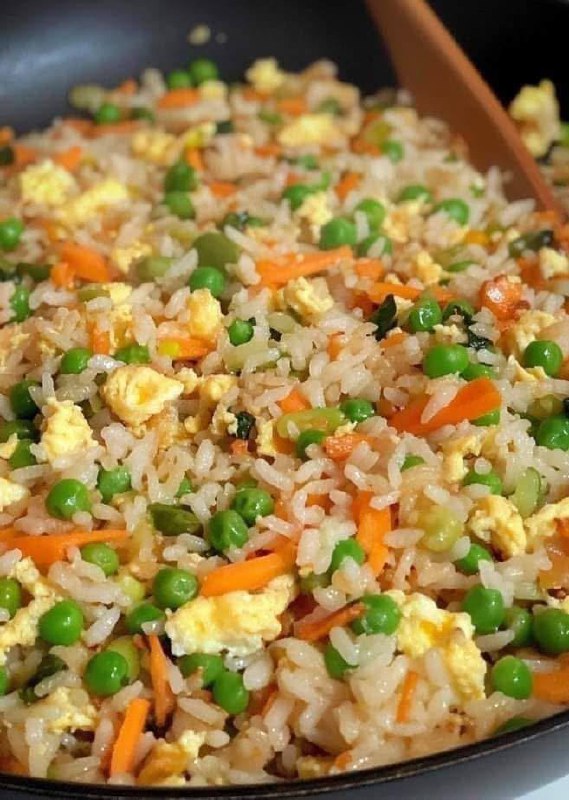
There’s something undeniably magical about a plate of perfectly executed fried rice. It’s more than just a side dish; it’s a symphony of textures and flavors, a canvas for culinary creativity, and for many, the ultimate comfort food. This classic veggie fried rice recipe captures that magic, offering a vibrant, flavorful, and incredibly satisfying meal that’s surprisingly simple to master in your own kitchen. Forget soggy, bland takeout versions – our homemade fried rice boasts perfectly separated grains, tender-crisp vegetables, and fluffy scrambled eggs, all coated in a savory sauce that will have you coming back for more.
What makes this particular recipe stand out? It’s designed with ease and deliciousness in mind. We’ll demystify the art of achieving that ideal fried rice texture, ensuring each grain is distinct and lightly toasted, not clumpy or mushy. You’ll learn the secrets to quick stir-frying, how to perfectly incorporate those colorful vegetables and golden eggs, and how to balance the seasonings for a truly authentic taste. Whether you’re a seasoned home cook looking for a reliable weeknight meal or a beginner eager to dive into the world of Asian-inspired cuisine, this recipe is your ticket to fried rice perfection. It’s also a fantastic way to transform humble leftovers into a spectacular new dish, reducing food waste while maximizing flavor.
The beauty of fried rice lies in its versatility. While our classic veggie version is a star in its own right, providing a hearty and nutritious meal, it also serves as an excellent foundation for endless customizations. But before we explore those exciting variations, let’s master the basics. Get ready to elevate your weeknight dinner game with a dish that’s quick, customizable, and always a crowd-pleaser. With just a few simple steps and the right techniques, you’ll be whipping up restaurant-quality fried rice that tastes even better than your favorite takeout.
Nutritional Information
Per serving (approximate values):
- Calories: 380
- Protein: 15g
- Carbohydrates: 55g
- Fat: 11g
- Fiber: 4g
- Sodium: 850mg
Ingredients
- 3 cups cooked day-old white rice (preferably medium or long grain)
- 2 large eggs, lightly beaten
- 2 tablespoons vegetable oil (or canola oil), divided
- 1 small yellow onion, finely diced
- 2 cloves garlic, minced
- 1-inch piece fresh ginger, grated (about 1 teaspoon)
- 1/2 cup carrots, finely diced or shredded
- 1/2 cup frozen green peas, thawed
- 2 tablespoons soy sauce (or tamari for gluten-free)
- 1 teaspoon sesame oil
- 1/4 teaspoon white pepper (optional)
- 2 tablespoons green onions (scallions), thinly sliced, for garnish
- Salt to taste
Instructions
- Prepare the Rice: Ensure your cooked rice is cold and day-old. If using freshly cooked rice, spread it on a baking sheet and refrigerate for at least 30 minutes to an hour to dry it out. This is crucial for preventing mushy fried rice. Break up any clumps with your hands before you begin cooking.
- Cook the Eggs: Heat 1 tablespoon of vegetable oil in a large wok or a large non-stick skillet over medium-high heat. Pour in the beaten eggs. As the edges set, gently push the cooked egg towards the center, tilting the pan to allow uncooked egg to flow underneath. Scramble until just set but still slightly moist. Remove the scrambled eggs from the pan and set aside on a plate.
- Sauté Aromatics and Vegetables: Add the remaining 1 tablespoon of vegetable oil to the same wok or skillet. Increase the heat to high. Add the finely diced onion and cook, stirring frequently, for 2-3 minutes until softened and translucent.
- Add Garlic and Ginger: Stir in the minced garlic and grated ginger. Cook for another 30 seconds until fragrant, being careful not to burn the garlic.
- Stir-fry Carrots and Peas: Add the diced carrots to the pan and stir-fry for 2-3 minutes until they start to become tender-crisp. Add the thawed green peas and cook for 1 minute more, just to heat them through.
- Incorporate the Rice: Add the cold, day-old rice to the pan with the vegetables. Break up any remaining clumps with your spatula. Stir-fry vigorously for 3-5 minutes, pressing the rice against the hot surface of the pan, until the rice is heated through and slightly toasted. You should hear a gentle sizzling sound.
- Add Sauce and Seasonings: Pour the soy sauce directly over the rice, followed by the sesame oil and optional white pepper. Continue to stir-fry, tossing everything together until the rice is evenly coated and has absorbed the sauce, about 1-2 minutes.
- Return Eggs and Finish: Add the cooked scrambled eggs back into the pan. Toss gently to combine all the ingredients.
- Taste and Adjust: Taste the fried rice and add a pinch of salt if needed. Remember that soy sauce is already salty.
- Serve: Transfer the fried rice to serving bowls. Garnish generously with thinly sliced green onions before serving immediately. Enjoy your homemade classic veggie fried rice!
Cooking Tips and Variations
The secret to truly spectacular fried rice lies in a few key techniques. First and foremost, high heat is your best friend. A screaming hot wok or large skillet allows the ingredients to stir-fry quickly, developing delicious caramelized flavors and preventing them from steaming and becoming soggy. Don’t be afraid to let the pan get very hot before adding your oil and ingredients. Secondly, don’t overcrowd the pan. If you’re making a large batch, it’s better to cook in two smaller batches to ensure that the heat remains high and the ingredients can properly sear rather than steam. Overcrowding is a common culprit for mushy fried rice. Have all your ingredients prepped and ready (mise en place) before you even turn on the stove, as stir-frying happens very quickly.
Day-old rice is non-negotiable for the best texture. Freshly cooked rice still holds too much moisture, leading to a clumpy, sticky, and unappetizing result. If you don’t have day-old rice, cook your rice ahead of time, spread it thinly on a baking sheet, and pop it in the refrigerator for at least an hour, or even briefly in the freezer (about 15-20 minutes) to dry it out. When adding the rice to the pan, break up any large clumps with your spatula or hands to ensure even cooking and seasoning. For an extra layer of flavor, consider adding a tiny dash of rice vinegar or a pinch of sugar to your sauce mixture to balance the savoriness of the soy sauce. A very small amount of white pepper adds an authentic, subtle warmth that’s often found in traditional fried rice.
This recipe is incredibly adaptable. For a heartier meal, you can easily add protein. Cooked chicken (diced or shredded), shrimp, thinly sliced pork, or even cubed firm tofu are excellent additions. Cook your protein first, remove it from the pan, and then add it back in with the scrambled eggs at the end. Experiment with different vegetable combinations – bell peppers, corn, broccoli florets, mushrooms, or bean sprouts all work wonderfully. Just be mindful of their cooking times; harder vegetables like broccoli should be added earlier. For a touch of heat, a pinch of red pepper flakes or a drizzle of sriracha can be added to taste. A squeeze of lime juice at the very end can also brighten up the flavors beautifully.
Storage and Reheating
Proper storage is essential to keep your leftover fried rice delicious and safe to eat. Once your fried rice has cooled to room temperature (within two hours of cooking), transfer it to an airtight container. Refrigerate promptly for up to 3-4 days. It’s generally not recommended to freeze fried rice, as the texture of the rice and vegetables can become mushy upon thawing and reheating.
When it comes to reheating, the best method to revive your fried rice is on the stovetop. Heat a small amount of vegetable oil (about 1 teaspoon per serving) in a non-stick skillet or wok over medium-high heat. Add the cold fried rice and stir-fry, breaking up any clumps, for 5-7 minutes, or until it’s thoroughly heated through and the rice grains are slightly crispy again. You can add a tiny splash of water or soy sauce if it seems a bit dry. Alternatively, you can reheat fried rice in the microwave, though it may not achieve the same crispy texture. Place the fried rice in a microwave-safe dish, sprinkle with a tablespoon of water, cover loosely, and microwave on high for 1-2 minutes, stirring halfway through, until hot. Be careful not to overcook, as this can make the rice dry.
Frequently Asked Questions
Why is day-old rice so important for fried rice?
Day-old rice is crucial because it has less moisture content than freshly cooked rice. When you stir-fry fresh, moist rice, it tends to steam and clump together, resulting in a soggy, gummy texture. Day-old rice, having dried out in the refrigerator, holds its shape better, allowing the grains to separate and get slightly toasted and crisp during the stir-frying process, which is key to authentic fried rice.
Can I use brown rice for fried rice?
Yes, you can absolutely use brown rice for fried rice, though the texture and cooking time will be slightly different. Brown rice is chewier and has a nuttier flavor. Like white rice, it’s best to use day-old, cold brown rice to prevent mushiness. You might need to stir-fry it a little longer to achieve a similar slightly crispy texture, and you may want to add a touch more oil or sauce to compensate for its drier nature.
What if I don’t have a wok? Can I still make good fried rice?
Absolutely! While a wok is ideal for stir-frying due to its sloped sides and ability to retain high heat, a large, heavy-bottomed non-stick skillet or cast-iron pan will work perfectly well. The most important thing is to use a pan that is large enough to accommodate all your ingredients without overcrowding, allowing them to stir-fry rather than steam. Make sure your pan is screaming hot before you start cooking.
How can I make my fried rice taste more like takeout?
Several elements contribute to that classic takeout flavor. Firstly, ensure your heat is high and you’re not overcrowding the pan to get that characteristic “wok hei” (breath of the wok) smoky flavor. Secondly, don’t skimp on the aromatics – fresh garlic and ginger are essential. A touch of white pepper is a subtle but authentic addition. Finally, a drizzle of sesame oil at the very end adds a distinctive nutty aroma that is quintessential to many Asian dishes, including fried rice.