

Introduction
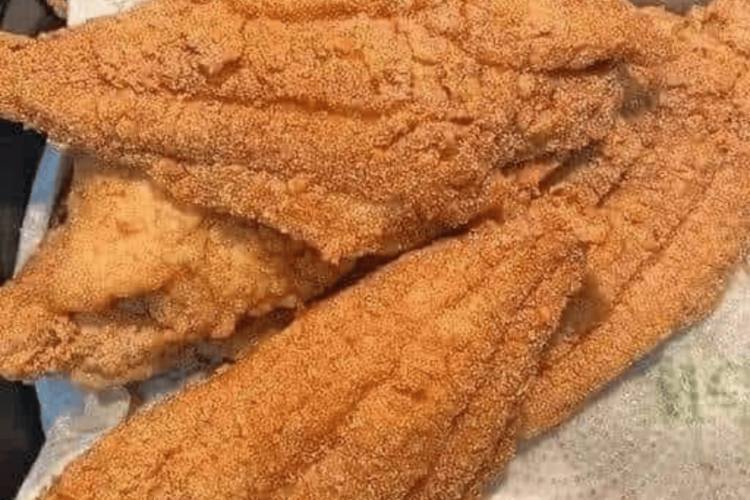
There are few culinary delights as universally loved and satisfying as perfectly fried fish. Imagine: a golden-brown crust, so incredibly crispy it shatters with every bite, giving way to tender, flaky white fish within. It’s a symphony of textures and flavors that evokes comfort, celebration, and pure deliciousness. Whether it’s a staple of Southern Sunday dinners, a cherished Lenten meal, or the star of a casual weeknight feast, fried fish holds a special place in hearts and on tables around the world. Its versatility is part of its charm – pair it with anything from a simple squeeze of lemon to a vibrant coleslaw, and you have a meal that never disappoints.
The allure of fried fish lies in its simplicity and its ability to transform humble fillets into something truly extraordinary. It’s more than just cooking; it’s an art form that, once mastered, will earn you rave reviews from family and friends. Forget soggy, greasy attempts of the past; this recipe is designed to guide you through every step, ensuring you achieve that coveted, restaurant-quality crispiness and flavor right in your own kitchen. We’ll delve into the secrets of selecting the best fish, creating an irresistible breading, and mastering the oil temperature for a non-greasy finish. Get ready to impress yourself and everyone at your table with this foolproof guide to the ultimate fried fish experience.
This isn’t just a recipe; it’s an invitation to rediscover the joy of homemade fried fish. We’ll cover everything from the essential ingredients and equipment to the subtle nuances that make all the difference. Prepare to elevate your cooking game and enjoy a dish that is both deeply satisfying and surprisingly easy to achieve with the right techniques. So, tie on your apron, gather your ingredients, and let’s embark on a culinary journey to create the crispiest, most flavorful fried fish you’ve ever tasted.
Nutritional Information
Per serving (approximate values):
- Calories: 450 kcal
- Protein: 35g
- Carbohydrates: 25g
- Fat: 22g
- Fiber: 2g
- Sodium: 650mg
Ingredients
- 4 (6-8 ounce) firm white fish fillets (such as catfish, tilapia, cod, or whiting), fresh or thawed
- 1 cup all-purpose flour
- 1 cup yellow cornmeal
- 2 tablespoons Old Bay seasoning (or your favorite fish seasoning blend)
- 1 tablespoon garlic powder
- 1 teaspoon onion powder
- 1 teaspoon smoked paprika
- ½ teaspoon cayenne pepper (optional, for a kick)
- 1 teaspoon salt, plus more for seasoning fish
- ½ teaspoon black pepper, plus more for seasoning fish
- 2 large eggs
- ¼ cup milk (whole milk or buttermilk preferred)
- 6-8 cups vegetable oil, peanut oil, or canola oil, for deep frying
- Lemon wedges, for serving
- Fresh parsley, chopped, for garnish (optional)
Instructions
- Prepare the Fish: If using frozen fish, ensure it is fully thawed. Pat the fish fillets thoroughly dry with paper towels. This is a crucial step for achieving a crispy coating. Season both sides of each fillet generously with salt and black pepper.
- Set Up Breading Stations: Prepare three shallow dishes or pie plates for your breading stations. In the first dish, combine the all-purpose flour. In the second dish, whisk together the eggs and milk until well combined. In the third dish, combine the cornmeal, Old Bay seasoning, garlic powder, onion powder, smoked paprika, cayenne pepper (if using), 1 teaspoon salt, and ½ teaspoon black pepper. Whisk these dry ingredients together until thoroughly mixed.
- Breading the Fish: Using a “wet hand, dry hand” method, dredge each fish fillet. First, place a fillet into the flour, ensuring it’s fully coated. Shake off any excess flour. Next, dip the floured fillet into the egg wash, allowing any excess to drip off. Finally, transfer the fillet to the cornmeal mixture, pressing gently to ensure the coating adheres well to all sides. Place the breaded fillets on a wire rack set over a baking sheet. Repeat for all fillets. For best results, allow the breaded fish to rest for 10-15 minutes at room temperature; this helps the coating adhere better during frying.
- Heat the Oil: In a large, heavy-bottomed pot, Dutch oven, or deep fryer, pour in enough oil to reach a depth of 3-4 inches. Heat the oil over medium-high heat until it reaches a temperature of 350-375°F (175-190°C). Use a deep-fry thermometer to accurately monitor the temperature. Maintaining the correct oil temperature is key to crispy, non-greasy fish.
- Fry the Fish: Carefully lower 1-2 breaded fish fillets into the hot oil, ensuring not to overcrowd the pot. Overcrowding will drop the oil temperature and result in soggy fish. Fry the fish for 4-6 minutes, flipping once halfway through, or until the fillets are golden brown and cooked through. The exact cooking time will depend on the thickness of your fillets.
- Check for Doneness: The fish is cooked when it flakes easily with a fork and reaches an internal temperature of 145°F (63°C). The crust should be a deep, rich golden color.
- Drain the Fish: Using a slotted spoon or spider, carefully remove the fried fish from the oil and transfer it to a clean wire rack set over a baking sheet lined with paper towels. This allows excess oil to drain off, keeping the fish crispy. Lightly sprinkle with a pinch of extra salt immediately after removing from the oil.
- Repeat and Serve: Continue frying the remaining fish fillets in batches, allowing the oil temperature to return to the desired range between batches. Serve the fried fish immediately with lemon wedges and your favorite accompaniments.
Cooking Tips and Variations
Achieving the perfect fried fish is a delightful culinary skill, and these tips will help you master it, along with some fun variations to explore.
Tips for the Crispiest, Most Flavorful Fried Fish:
- Fish Selection is Key: While catfish is a classic choice, don’t limit yourself! Tilapia, cod, whiting, and even snapper are excellent options for frying due to their firm, white flesh that holds up well to the heat. Always choose fresh fish if possible, or ensure frozen fish is fully thawed and thoroughly patted dry. Excess moisture is the enemy of crispiness.
- The Power of Patting Dry: This step cannot be overstated. Moisture on the fish surface creates steam, which prevents the breading from crisping up properly. Use plenty of paper towels to blot every surface of your fillets until they feel dry to the touch.
- Seasoning Both Fish and Breading: Don’t just season the coating; season the fish fillets directly with salt and pepper before dredging. This layers the flavor and ensures the fish itself isn’t bland beneath its crispy shell. The breading mixture should also be generously seasoned. Feel free to adjust the spices to your preference – more cayenne for heat, smoked paprika for depth, or a touch of dried thyme for an herbal note.
- The “Wet Hand, Dry Hand” Method: This technique is a game-changer for clean and efficient breading. Use one hand (your “dry hand”) exclusively for handling the flour and cornmeal mixtures, and the other hand (your “wet hand”) only for dipping in the egg wash. This prevents clumpy, messy fingers and ensures a smooth, even coating on the fish.
- Rest the Breaded Fish: After breading, letting the fillets rest on a wire rack for 10-15 minutes at room temperature allows the moisture from the fish to hydrate the breading slightly, creating a “glue” that helps the coating adhere better during frying. This significantly reduces the chances of your breading falling off in the oil.
- Oil Temperature is Crucial: This is perhaps the most important factor for non-greasy, crispy fried fish. Use a reliable deep-fry thermometer and aim for a consistent temperature between 350°F and 375°F (175-190°C). If the oil is too cool, the fish will absorb too much oil and become greasy and soggy. If it’s too hot, the outside will burn before the inside cooks through. Adjust your heat as needed between batches.
- Don’t Overcrowd the Pot: Frying too many pieces of fish at once will drastically lower the oil temperature, leading to greasy fish. Work in small batches, typically 1-2 fillets at a time, depending on the size of your pot. This allows the oil to maintain its heat and ensures each piece gets evenly crispy.
- Drain on a Wire Rack: Never place freshly fried fish directly on paper towels laid flat. While paper towels absorb oil, they also trap steam, which can make the bottom of your fish soggy. Always transfer fried fish to a wire rack set over a baking sheet lined with paper towels. This allows air to circulate around the entire fillet, keeping it crispy.
- Season Immediately After Frying: A light sprinkle of fine salt (like sea salt or kosher salt) immediately after the fish comes out of the oil will adhere beautifully and enhance the flavor.
Recipe Variations:
- Spicy Kick: Increase the amount of cayenne pepper in the cornmeal mixture, or add a pinch of chili powder for extra heat. A dash of hot sauce in the egg wash can also add a subtle warmth.
- Herbal Infusion: Incorporate dried herbs like dill, parsley, or thyme into the cornmeal breading for a different aromatic profile.
- Buttermilk Soak: For incredibly tender and flavorful fish, consider soaking the fillets in buttermilk for 30 minutes to an hour before breading. The lactic acid in buttermilk helps to tenderize the fish and adds a subtle tang. If doing this, pat the fish very dry after the buttermilk soak before proceeding with the flour dredge.
- Gluten-Free Option: Substitute the all-purpose flour with a gluten-free all-purpose flour blend and ensure your cornmeal is certified gluten-free. The results will still be wonderfully crispy.
- Beer Batter: For a different kind of crispy coating, you can create a beer batter. Skip the flour and egg wash steps. Instead, whisk together 1 cup of self-rising flour, ½ cup of cornstarch, ½ teaspoon of salt, and ½ teaspoon of black pepper. Gradually whisk in 1 cup of cold beer until a smooth batter forms. Dip the fish directly into this batter before frying.
- Air Fryer Method (for a lighter option): While deep frying yields the ultimate crispiness, you can adapt this for an air fryer. Preheat your air fryer to 400°F (200°C). Lightly spray the breaded fish fillets with cooking spray on both sides. Air fry for 12-18 minutes, flipping halfway through, until golden brown and cooked through. The texture will be different but still delicious.
Storage and Reheating
While fried fish is always best enjoyed immediately, sometimes you have leftovers or want to prepare it ahead. Here’s how to store and reheat it to maintain as much crispiness as possible.
Storage:
Allow any leftover fried fish to cool completely to room temperature before storing. This prevents condensation, which can make the coating soggy. Once cooled, place the fish in an airtight container. You can layer pieces with parchment paper to prevent them from sticking. Store in the refrigerator for up to 2-3 days.
Freezing fried fish is generally not recommended as the texture of the coating will suffer significantly upon thawing and reheating, becoming very soft and unappealing. It’s best to enjoy it fresh or within a couple of days from the refrigerator.
Reheating:
The key to reheating fried fish is to re-crisp the coating without overcooking the fish or making it greasy. Avoid the microwave at all costs, as it will turn your crispy crust into a rubbery mess.
- Oven Method (Recommended):
- Preheat your oven to 375°F (190°C).
- Place the leftover fried fish on a wire rack set over a baking sheet. This allows air to circulate and helps re-crisp the bottom.
- Reheat for 10-15 minutes, or until the fish is heated through and the coating is crispy again. The exact time will depend on the thickness of the fish. Keep an eye on it to prevent burning.
- Air Fryer Method:
- Preheat your air fryer to 350°F (175°C).
- Place the fish fillets in a single layer in the air fryer basket. Do not overcrowd.
- Reheat for 5-8 minutes, flipping halfway through, until hot and crispy. This method is excellent for speed and crispiness.
- Toaster Oven Method:
- If you have a toaster oven, it works similarly to a regular oven for reheating small batches.
- Set it to bake or toast at 375°F (190°C).
- Place the fish on a rack or a small baking sheet and heat for 8-12 minutes, or until warmed through and crispy.
No matter the method, always check that the fish is heated through to a safe internal temperature before serving. While reheated fried fish won’t be quite as perfect as fresh, these methods will give you the best possible results for enjoying your leftovers.
Frequently Asked Questions
What kind of fish is best for frying?
For frying, you want a firm, white-fleshed fish that holds up well to the heat and has a mild flavor. Popular and excellent choices include catfish, tilapia, cod, whiting, and snapper. These fish tend to be less oily and have a texture that becomes wonderfully flaky when cooked, complementing the crispy exterior beautifully.
How do I make sure my fried fish isn’t greasy?
The key to non-greasy fried fish lies primarily in maintaining the correct oil temperature. The oil should be between 350-375°F (175-190°C). If the oil is too cool, the breading will absorb too much oil, leading to a greasy result. Also, ensure you don’t overcrowd the pot, as this drops the oil temperature. Finally, always drain the fried fish on a wire rack set over paper towels immediately after removing it from the oil; this allows excess oil to drip away and prevents steam from making the bottom soggy.
Can I use flour instead of cornmeal for the breading?
While you can use all-purpose flour for breading, cornmeal is highly recommended for classic fried fish. Cornmeal, especially yellow cornmeal, provides a distinct coarse texture and a wonderfully crispy, golden-brown crust that flour alone cannot replicate. Many recipes use a combination of both flour and cornmeal to achieve the best balance of crispiness and adhesion. If you only use flour, the crust will be less crunchy and might not achieve the same vibrant golden color.
How do I know when the fish is fully cooked?
Fried fish is fully cooked when its internal temperature reaches 145°F (63°C). Visually, the fish should be a beautiful golden brown on the outside, and when flaked with a fork, the flesh inside should be opaque and separate easily. Avoid overcooking, as this can lead to dry and tough fish. The cooking time will vary depending on the thickness of your fillets, typically ranging from 4 to 6 minutes for average-sized pieces.