

Introduction
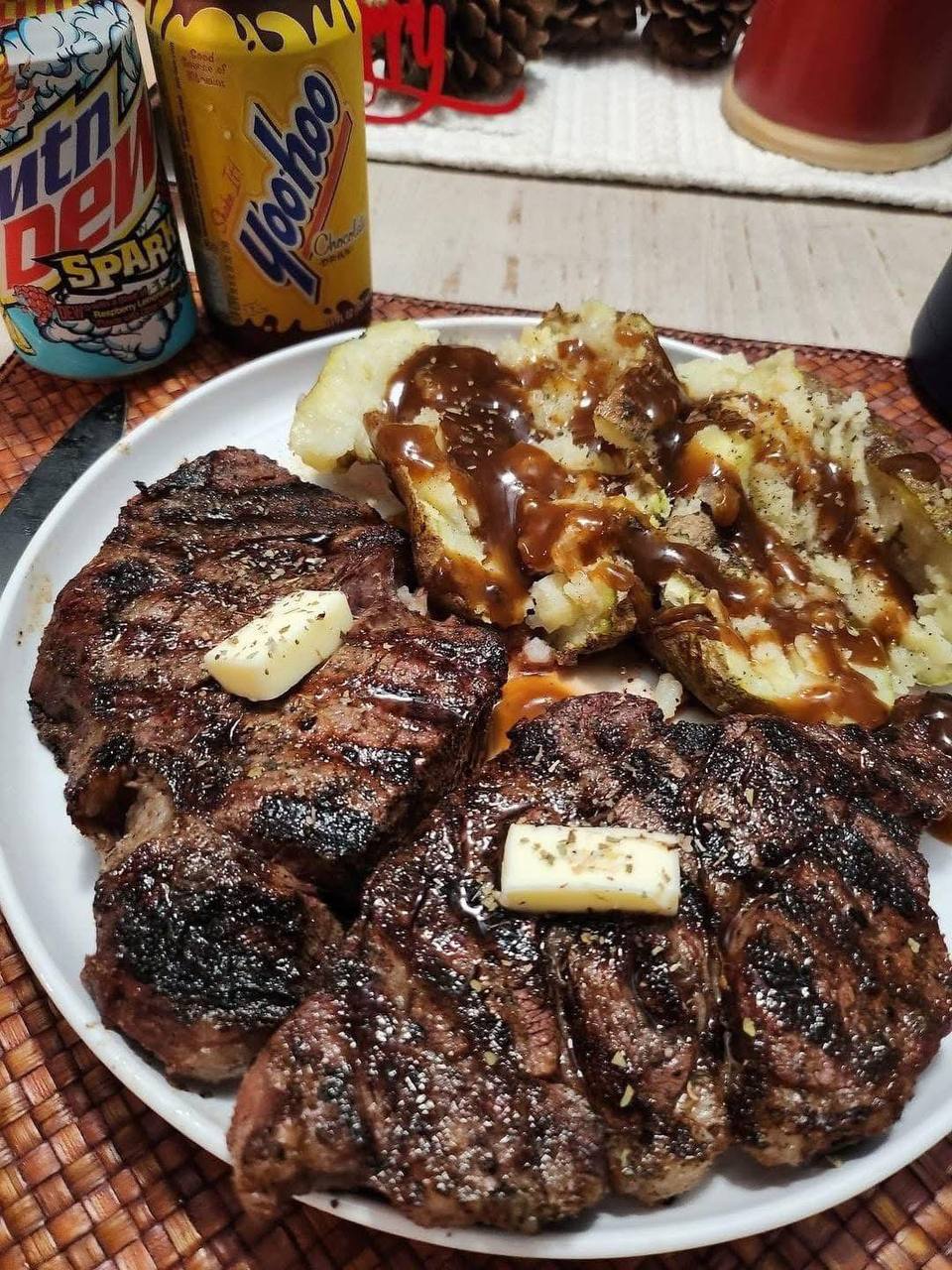
Forget sad desk salads or boring sandwiches! Today, we’re elevating your midday meal to an entirely new level of deliciousness with a perfectly grilled ribeye steak. This isn’t just a meal; it’s a statement. A declaration that lunch can be just as satisfying, comforting, and energizing as any dinner. Imagine sinking your teeth into a juicy, flavorful ribeye, cooked to perfection, accompanied by a fluffy baked potato smothered in butter and rich gravy. This is the ultimate midday indulgence, designed to fuel your afternoon with pure culinary joy.
This recipe is for anyone who believes that lunch should be more than just sustenance – it should be an experience. Whether you’re working from home, enjoying a leisurely day off, or simply crave something truly special, a ribeye steak for lunch delivers on all fronts. It’s surprisingly easy to achieve gourmet results right in your own kitchen, transforming a simple piece of meat into a masterpiece of flavor and texture. We’ll guide you through every step, ensuring you achieve that coveted crust, the ideal doneness, and a baked potato that’s the stuff of dreams.
What makes this specific ribeye lunch so special? It’s the combination of robust flavors and comforting textures. The rich marbling of the ribeye ensures incredible tenderness and taste, while the hearty baked potato acts as the perfect canvas for creamy butter and savory gravy. This isn’t just about cooking a steak; it’s about crafting a complete, satisfying meal that feels both luxurious and approachable. Get ready to impress yourself and whoever you share this incredible lunch with!
Nutritional Information
Per serving (approximate values):
- Calories: 1100-1300
- Protein: 70-80g
- Carbohydrates: 60-70g
- Fat: 65-80g
- Fiber: 6-8g
- Sodium: 900-1200mg
Ingredients
- 2 (12-14 ounce) bone-in or boneless ribeye steaks, 1 to 1.5 inches thick
- 2 large baking potatoes (Russet or Idaho), about 10-12 ounces each
- 2 tablespoons olive oil, plus extra for potatoes
- 1 tablespoon coarse sea salt, divided (or to taste)
- 1 teaspoon freshly ground black pepper, divided (or to taste)
- 1 teaspoon garlic powder
- 1 teaspoon onion powder
- 4 tablespoons unsalted butter, softened, plus extra for potatoes
- 1 cup prepared beef gravy (store-bought or homemade)
- Optional garnishes: fresh parsley, chives, sour cream, shredded cheddar cheese
- Optional beverages: 1 can Mountain Dew Spark (Raspberry Lemonade), 1 carton Yoohoo Chocolate Drink
Instructions
- Prepare the Potatoes: Preheat your oven to 400°F (200°C). Thoroughly scrub the baking potatoes under cold running water to remove any dirt. Pat them completely dry with a paper towel. Using a fork, prick each potato 4-5 times all over to allow steam to escape during baking. Lightly rub the outside of each potato with a thin layer of olive oil and sprinkle generously with coarse sea salt. Place the potatoes directly on the oven rack in the preheated oven and bake for 45-60 minutes, or until the skin is crispy and the interior is fork-tender. The baking time will vary depending on the size of your potatoes.
- Prepare the Steaks: While the potatoes are baking, remove the ribeye steaks from their packaging and pat them completely dry with paper towels. This step is crucial for achieving a good sear. Place the steaks on a plate or cutting board and let them come to room temperature for at least 30 minutes, or up to an hour, before cooking. This helps ensure more even cooking.
- Season the Steaks: In a small bowl, combine 1 tablespoon of coarse sea salt, 1 teaspoon of freshly ground black pepper, 1 teaspoon of garlic powder, and 1 teaspoon of onion powder. Sprinkle this seasoning blend generously and evenly over both sides and the edges of each ribeye steak. Gently press the seasoning into the meat to help it adhere.
- Preheat Your Grill or Cast Iron Skillet: Heat your grill to high heat (around 450-500°F / 230-260°C) or place a heavy-bottomed cast iron skillet over high heat on your stovetop. Allow the grill or skillet to get screaming hot before adding the steaks. This high heat is essential for developing a beautiful, flavorful crust.
- Sear the Steaks: Once the grill or skillet is hot, brush the grill grates or the bottom of the skillet with 1 tablespoon of olive oil to prevent sticking. Carefully place the seasoned ribeye steaks onto the hot surface. For medium-rare (our recommendation for ribeye), sear for 3-4 minutes per side for a 1-inch thick steak, or 4-5 minutes per side for a 1.5-inch thick steak. Adjust cooking times based on your desired doneness (see “Steak Doneness Guide” in the tips section). For beautiful grill marks, rotate the steaks 45 degrees halfway through the cooking time on each side.
- Add Butter and Baste (if using skillet): If cooking in a cast iron skillet, after flipping the steaks, add 2 tablespoons of butter to the pan. Once the butter melts and starts to foam, tilt the pan and use a spoon to baste the melted butter over the steaks repeatedly for the remaining cooking time. If grilling, you can add a pat of butter on top of each steak during the last minute of grilling.
- Rest the Steaks: Once the steaks reach your desired internal temperature (we recommend using an instant-read thermometer), remove them from the grill or skillet and place them on a clean cutting board. Immediately place 1 tablespoon of softened butter on top of each steak. Tent the steaks loosely with aluminum foil and let them rest for 5-10 minutes. This resting period is critical; it allows the juices to redistribute throughout the meat, resulting in a more tender and flavorful steak.
- Finish the Baked Potatoes: Once the potatoes are tender, carefully remove them from the oven. Using a knife, make a lengthwise cut down the center of each potato, being careful not to cut all the way through. Gently squeeze the ends of the potato to fluff up the interior. Add a generous pat of butter to the center of each potato.
- Warm the Gravy: While the steaks are resting and potatoes are finishing, gently warm the prepared beef gravy in a small saucepan over low heat, stirring occasionally, until hot.
- Assemble and Serve: Place a rested ribeye steak and a baked potato on each plate. Drizzle a generous amount of warm beef gravy over the fluffed baked potato. You can also spoon some gravy over the steak if desired. Garnish with fresh parsley or chives if using. Serve immediately with your choice of beverages, such as a refreshing Mountain Dew Spark or a classic Yoohoo Chocolate Drink. Enjoy your incredibly satisfying ribeye lunch!
Cooking Tips and Variations
Choosing Your Ribeye: Look for a ribeye steak with good marbling – those tiny flecks of fat distributed throughout the muscle. This marbling melts during cooking, infusing the meat with incredible flavor and keeping it tender and juicy. A steak that’s 1 to 1.5 inches thick is ideal for grilling, as it allows for a good sear without overcooking the interior.
The Importance of Room Temperature: Don’t skip the step of bringing your steak to room temperature. A cold steak hitting a hot surface will cook unevenly, leading to an overcooked exterior and a raw interior. Allowing it to warm up slightly ensures a more consistent cook from edge to center.
Steak Doneness Guide (Internal Temperatures): For the most accurate results, use an instant-read meat thermometer. Insert the thermometer into the thickest part of the steak, avoiding bones.
- Rare: 120-125°F (49-52°C) – Cool red center
- Medium-Rare: 130-135°F (54-57°C) – Warm red center (recommended for ribeye)
- Medium: 140-145°F (60-63°C) – Warm pink center
- Medium-Well: 150-155°F (66-68°C) – Slightly pink center
- Well-Done: 160°F+ (71°C+) – Little to no pink
Remember that the steak’s temperature will rise by 5-10 degrees during the resting period, so remove it from the heat just before it reaches your desired final temperature.
Perfect Grill Marks: To achieve those beautiful crosshatch grill marks, place your steak on the hot grill. After 2-3 minutes (depending on thickness and heat), rotate the steak 45 degrees without flipping it. Cook for another 2-3 minutes, then flip and repeat the process on the other side.
Resting is Non-Negotiable: This is arguably the most important step for a juicy steak. As the steak cooks, the muscle fibers contract and push the juices to the center. Resting allows these juices to redistribute throughout the meat, preventing them from spilling out when you cut into it. Don’t rush it!
Baked Potato Perfection: For an extra crispy skin, after pricking and oiling your potatoes, you can roll them in coarse salt. Some people also like to rub a little bacon grease or duck fat on the skin for added flavor and crispness. For an even fluffier interior, once the potato is baked and split, use a fork to gently scrape and fluff the flesh before adding butter and toppings.
Gravy Hacks: While homemade gravy is fantastic, a good quality store-bought beef gravy is perfectly acceptable for a quick lunch. To enhance store-bought gravy, you can whisk in a splash of red wine, a dash of Worcestershire sauce, a pinch of dried thyme, or a spoonful of pan drippings from the steak (if you cooked it in a skillet) for added depth of flavor. If your gravy is too thin, you can thicken it by making a slurry of cornstarch and cold water (1 tablespoon cornstarch mixed with 2 tablespoons cold water), then whisking it into the simmering gravy until it reaches your desired consistency.
Potato Topping Variations: Don’t limit yourself to just butter and gravy! Elevate your baked potato with classic toppings like sour cream, chopped fresh chives, crispy bacon bits, shredded cheddar cheese, or even a dollop of chili.
Herb Infusion: For an extra layer of flavor, during the last minute of cooking the steaks, you can add a sprig of fresh rosemary or thyme to the grill or skillet, along with a crushed garlic clove, and baste the steaks with the aromatic butter.
Lunch Prep Ahead: While the steak is best cooked fresh, you can definitely prep parts of this meal in advance. You can wash and prick your potatoes the night before. If you’re making homemade gravy, that can also be prepared ahead of time and gently reheated. This will streamline your cooking process on lunch day.
Beverage Choices: While the image features fun, casual drinks like Mountain Dew Spark and Yoohoo, you can certainly pair your ribeye lunch with other options. A crisp iced tea, a sparkling water with lemon, or even a light-bodied red wine like a Pinot Noir would complement the richness of the steak beautifully.
Storage and Reheating
Storing Leftovers: If you happen to have any leftovers (which is rare with a meal this delicious!), allow both the steak and baked potato to cool completely to room temperature before storing. This prevents condensation and keeps food fresher. Store the steak and potato in separate airtight containers in the refrigerator. Properly stored, they will last for 3-4 days.
Reheating Steak: Reheating steak can be tricky as it often dries out. The best method for reheating steak without overcooking it is gently. Slice the leftover steak against the grain into thin strips. Heat a small amount of oil or butter in a skillet over medium-low heat. Add the sliced steak and cook for just 1-2 minutes, stirring frequently, until warmed through. Alternatively, you can reheat sliced steak in the microwave on a low setting for short bursts (30 seconds at a time) until just warm. Avoid reheating the whole steak as it will likely become tough.
Reheating Baked Potato: To reheat a baked potato and maintain some of its crispiness, preheat your oven or toaster oven to 350°F (175°C). Place the potato directly on the rack and bake for 15-20 minutes, or until heated through. You can also microwave it, but the skin will lose its crispness. If microwaving, slice it open first and heat for 2-3 minutes, flipping halfway, until hot.
Reheating Gravy: Gravy can be reheated gently in a small saucepan over low heat, stirring frequently, until it is hot and smooth. If it has thickened too much, you can whisk in a spoonful or two of beef broth or water to reach your desired consistency.
Frequently Asked Questions
Can I cook ribeye steak from frozen?
While it is technically possible to cook a ribeye steak from frozen, it is not recommended for achieving the best results with this recipe. Cooking from frozen makes it very difficult to get a good sear on the outside while maintaining your desired doneness on the inside. For optimal flavor, tenderness, and crust, always thaw your ribeye completely in the refrigerator before bringing it to room temperature and cooking.
What if I don’t have a grill? Can I still make this?
Absolutely! A heavy-bottomed cast iron skillet is an excellent alternative to a grill for cooking ribeye steak. Follow the same steps for seasoning and bringing the steak to room temperature. Heat the cast iron skillet over high heat until it’s smoking hot, add a tablespoon of high-smoke-point oil (like canola or grapeseed), and then sear the steaks. You’ll still achieve a fantastic crust and delicious results.
How do I know when my baked potato is done?
The best way to tell if a baked potato is done is by gently squeezing it; it should feel soft and yielding. You can also pierce it with a fork or a skewer; it should slide in easily with no resistance. If there’s any firmness, it needs more time in the oven. For a 10-12 ounce potato, 45-60 minutes at 400°F (200°C) is a good starting point.
Can I use a different cut of steak for this recipe?
Yes, you can adapt this recipe for other cuts of steak, though cooking times and ideal doneness may vary. Sirloin, New York strip, or even a thick-cut flat iron steak would work well. However, the ribeye is specifically chosen for its rich marbling and incredible tenderness, which makes it particularly well-suited for this indulgent lunch. If using a leaner cut, be extra careful not to overcook it to prevent it from becoming dry.