

Introduction
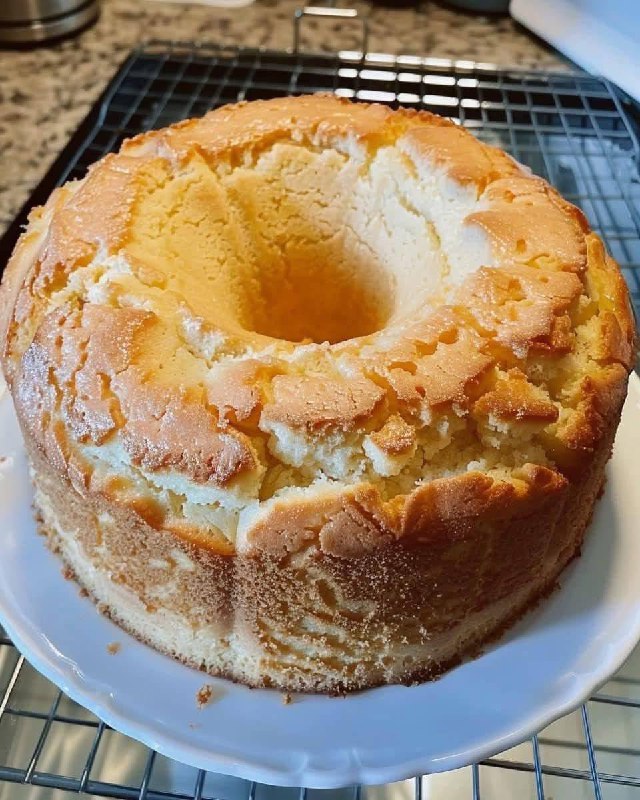
There are some desserts that transcend trends, offering a timeless comfort that speaks to the soul. Pound cake is undeniably one of them. With its dense yet tender crumb, rich buttery flavor, and beautifully golden crust, it’s a nostalgic treat that evokes memories of grandmother’s kitchen and cherished family gatherings. But what if we told you there’s a version that elevates this classic to an entirely new level? Prepare yourself for the Million Dollar Pound Cake – a recipe designed to deliver unparalleled richness, an incredibly tender texture, and a flavor profile so exquisite, it truly feels like a million bucks.
The “Million Dollar” moniker isn’t just a catchy title; it’s a promise. This isn’t just any pound cake; it’s a meticulously crafted version that focuses on superior ingredients and precise techniques to achieve pound cake perfection. We’re talking about a cake that’s impossibly moist, with a fine, velvety crumb that practically melts in your mouth, and a golden-brown exterior that hints at the buttery goodness within. While it shines brightly on its own, perfect for a simple slice with a cup of coffee, its robust structure and elegant flavor make it an ideal canvas for fresh berries, a dollop of whipped cream, or a delicate glaze. Get ready to bake a truly special dessert that will impress every palate and become a cherished recipe in your culinary repertoire.
This recipe isn’t just about ingredients; it’s about understanding the art of pound cake. We’ll guide you through each step, from the foundational “pound” principle of equal parts to the crucial nuances of creaming, mixing, and baking. The result is a foolproof path to a pound cake that boasts a glorious golden crust, a perfectly risen dome, and that signature dense yet unbelievably tender interior. So, tie on your apron and prepare to unlock the secrets to a cake that truly lives up to its extravagant name – a Million Dollar Pound Cake that’s worth every single bite.
Nutritional Information
Per serving (approximate values):
- Calories: 450 kcal
- Protein: 5g
- Carbohydrates: 55g
- Fat: 25g
- Fiber: 1g
- Sodium: 250mg
Ingredients
- 1 pound (4 sticks or 2 cups) unsalted butter, softened to room temperature
- 3 cups granulated sugar
- 6 large eggs, at room temperature
- 1 tablespoon pure vanilla extract (or 2 teaspoons vanilla bean paste for extra richness)
- 4 cups all-purpose flour, sifted
- 1 teaspoon baking powder (optional, for a slightly lighter crumb)
- 1/2 teaspoon salt
- 1 cup whole milk, at room temperature
Instructions
- Preheat your oven to 325°F (160°C). Generously grease and flour a 10-12 cup Bundt pan or a 10-inch tube pan. Make sure to get into all the nooks and crannies if using a Bundt pan.
- In a large mixing bowl, using an electric mixer with the paddle attachment, cream together the softened butter and granulated sugar on medium-high speed for 7-10 minutes. This is a crucial step; you want the mixture to become very light, pale, and fluffy, almost like whipped frosting. Scrape down the sides of the bowl occasionally.
- Add the eggs one at a time, beating well after each addition until fully incorporated. After adding all the eggs, continue to beat for another 2-3 minutes until the mixture is light and creamy again. This incorporates air and helps create a tender crumb.
- Stir in the vanilla extract (or vanilla bean paste) until just combined.
- In a separate medium bowl, whisk together the sifted flour, baking powder (if using), and salt.
- With the mixer on low speed, gradually add the dry ingredients to the butter mixture, alternating with the room temperature whole milk. Begin and end with the dry ingredients. Add about one-third of the flour mixture, then half of the milk, another third of the flour, the remaining milk, and finally the last third of the flour. Mix only until just combined after each addition. Do not overmix the batter, as this can develop gluten and lead to a tough cake. Scrape down the sides of the bowl as needed.
- Pour the finished batter evenly into the prepared Bundt or tube pan. Smooth the top with a spatula. For Bundt pans, some bakers like to create a slight well in the center of the batter to encourage even rising.
- Place the pan in the preheated oven and bake for 70-90 minutes, or until a wooden skewer or toothpick inserted into the center of the cake comes out clean. Baking times can vary depending on your oven and pan.
- Once baked, remove the cake from the oven and let it cool in the pan on a wire rack for 15-20 minutes. This allows the cake to set and makes it easier to remove.
- After cooling in the pan, carefully invert the cake onto the wire rack to cool completely. If you used a tube pan, you might need to run a thin knife around the edges before inverting. Allow the cake to cool for at least 1-2 hours before slicing to ensure it is fully set and has its characteristic dense, tender texture.
- Slice and enjoy your Million Dollar Pound Cake plain, or with your favorite toppings!
Cooking Tips and Variations
Achieving a truly “Million Dollar” pound cake hinges on a few key techniques and ingredient choices. Firstly, ingredient temperature is paramount. Ensure your butter, eggs, and milk are all at room temperature. This allows them to emulsify properly, creating a smooth, homogenous batter that holds air efficiently, leading to a tender and moist cake. Cold ingredients will result in a lumpy batter and a denser, less desirable texture. Plan ahead and take them out of the refrigerator at least an hour or two before you begin baking.
The creaming method is the heart of pound cake perfection. Do not rush the creaming of butter and sugar. This step is where the magic happens, incorporating air that contributes to the cake’s lift and tender crumb. Cream for the full 7-10 minutes until the mixture is visibly lightened in color and fluffy in texture. It should feel airy, not dense. Similarly, beat well after each egg addition to maintain that airy consistency. Don’t be shy about beating for an extra minute or two after all eggs are in.
When adding the dry and wet ingredients, alternate them carefully and mix as little as possible. Overmixing the flour develops gluten, which can make your pound cake tough and chewy instead of tender. Mix just until the ingredients are combined, and no streaks of flour remain. A rubber spatula can be useful for the final few folds to ensure everything is incorporated without overworking the batter.
Pan preparation is critical for a beautiful release. For Bundt or tube pans, thorough greasing and flouring are non-negotiable. Use shortening or softened butter to coat every crevice, then dust generously with flour, tapping out the excess. For extra insurance, some bakers use a baking spray that contains flour. This ensures your magnificent cake comes out in one perfect piece, showcasing its elegant shape.
For variations, consider a lemon pound cake by adding the zest of 2-3 lemons to the sugar before creaming, and perhaps a tablespoon of fresh lemon juice with the milk. An almond pound cake can be achieved by substituting 1 teaspoon of the vanilla extract with 1 teaspoon of almond extract. For a touch of spice, a hint of nutmeg or cardamom can be lovely. You can also fold in a cup of mini chocolate chips or candied fruit at the very end of mixing for a delightful surprise. A simple glaze, such as a mixture of powdered sugar and milk or lemon juice, can add an extra layer of sweetness and elegance, though this Million Dollar Pound Cake truly shines on its own.
Storage and Reheating
To keep your Million Dollar Pound Cake fresh and delicious, proper storage is key. Once completely cooled, the cake should be stored at room temperature, wrapped tightly in plastic wrap or placed in an airtight container. This prevents it from drying out and keeps it moist for longer. Stored this way, it will remain fresh for 4-5 days. Avoid refrigerating pound cake unless it contains a perishable filling or frosting, as refrigeration can dry out the cake and alter its texture.
If you need to store it for a longer period, pound cake freezes exceptionally well. For best results, wrap individual slices or the entire cooled cake tightly in plastic wrap, then wrap it again in aluminum foil. This double layer of protection helps prevent freezer burn. Frozen pound cake can be stored for up to 3 months. When ready to enjoy, simply thaw the cake at room temperature, either on the counter or overnight in the refrigerator, still wrapped. Once thawed, it will have nearly the same texture and flavor as freshly baked.
Reheating pound cake isn’t typically necessary, as it’s delicious at room temperature. However, if you prefer a warm slice, you can gently heat individual slices in the microwave for 15-30 seconds, or in a preheated oven at 250°F (120°C) for about 5-10 minutes, until just warmed through. Be careful not to overheat, as this can dry out the cake. A warm slice with a scoop of vanilla ice cream or a dollop of whipped cream is an especially indulgent treat.
Frequently Asked Questions
What makes this a “Million Dollar” Pound Cake?
The “Million Dollar” moniker refers to the exceptional richness, tender crumb, and superior flavor achieved through careful ingredient selection and precise baking techniques. It typically implies a higher ratio of butter and eggs, quality vanilla, and meticulous creaming and mixing to create a cake that is truly a cut above the rest in terms of texture and taste, making it feel luxurious and special.
Can I use a different type of pan?
While the recipe specifies a Bundt or tube pan, you can technically use other pans, but you may need to adjust baking times. A standard 9×13 inch rectangular baking pan will yield a shorter cake and may bake in 50-60 minutes. Loaf pans (two 9×5 inch pans) would also work, baking for around 60-75 minutes. Always fill pans no more than two-thirds full and adjust baking time as needed, testing for doneness with a skewer.
Why did my pound cake crack on top?
Cracking on top is very common and often desired in pound cakes! It usually happens because the outside of the cake sets and bakes faster than the interior. As the interior continues to rise, it pushes through the set crust, causing it to crack. This is a sign of a good, dense pound cake and adds to its rustic charm. It’s not usually a sign of an issue, but rather characteristic of the cake’s texture and density.
My pound cake is dry, what went wrong?
A dry pound cake can be caused by several factors. The most common culprits are overbaking (baking it too long dries out the moisture), overmixing the batter (which develops gluten and results in a tough, dry texture), or not using enough fat or liquid in the recipe. Ensure your oven temperature is accurate with an oven thermometer and always test for doneness with a skewer. Also, make sure all ingredients are at room temperature to ensure proper emulsification and moisture distribution.