

Introduction
In the throes of the Great Depression, when every penny counted and ingenuity was a household necessity, families across America learned to stretch meager resources into nourishing meals. This era, marked by economic hardship, inadvertently birthed some of the most resourceful and surprisingly delicious recipes. Today, we’re unearthing a true gem from those challenging times: a classic three-ingredient Depression-era breakfast that exemplifies simplicity, comfort, and enduring appeal. It’s a testament to how humble ingredients, when combined with a touch of resourcefulness, can create something truly satisfying.
This isn’t just any breakfast; it’s a dish born out of necessity, designed to be filling, inexpensive, and easy to prepare with what little was available. Imagine waking up to the aroma of something warm and slightly sweet, knowing it would provide the energy needed for a long day, all without breaking the bank. This recipe, featuring just three core ingredients, offers a direct link to the past, reminding us of the resilience and creativity that flourished even in the darkest of times. It’s a comforting classic that proves good food doesn’t need to be complicated or costly.
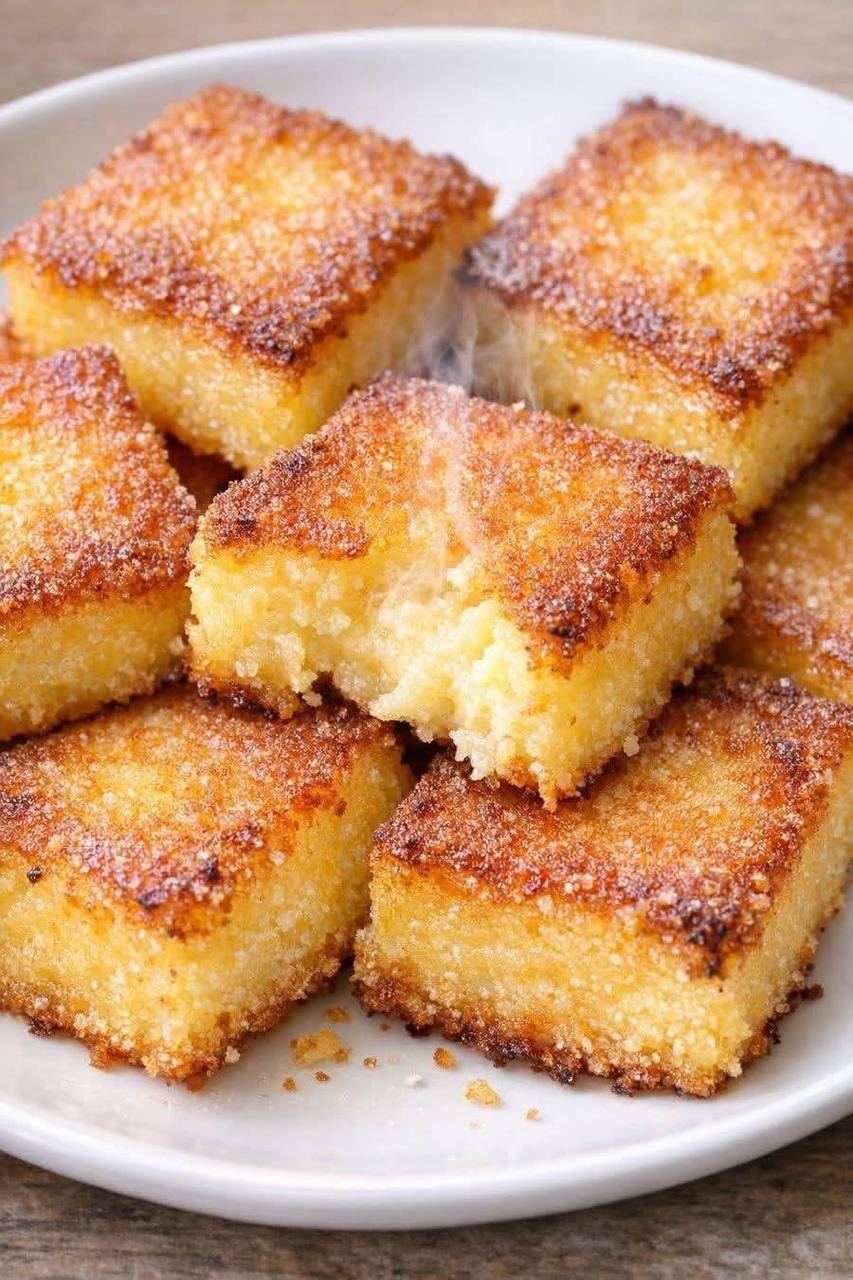
What makes this particular breakfast so special is its incredible versatility and the sheer genius of its frugality. It transformed basic pantry staples into a comforting, substantial start to the day. Often referred to by various names like “cornmeal cakes” or “fried mush,” its essence remains the same: a warm, slightly crispy, and subtly sweet treat that nourishes both body and soul. Prepare to be amazed by how much flavor and satisfaction can be coaxed from so few components, a culinary lesson that remains relevant even today.
Nutritional Information
Per serving (approximate values):
- Calories: 320
- Protein: 5g
- Carbohydrates: 55g
- Fat: 10g
- Fiber: 4g
- Sodium: 150mg
Ingredients
- 1 cup yellow cornmeal (not instant)
- 3 cups water
- 2 tablespoons granulated sugar, plus more for dusting
- 2 tablespoons butter or neutral oil, for frying
Instructions
- In a medium saucepan, combine the cornmeal and water. Whisk thoroughly to ensure there are no lumps.
- Place the saucepan over medium-high heat and bring the mixture to a slow boil, stirring constantly to prevent sticking and burning.
- Once boiling, reduce the heat to low and continue to stir occasionally. The mixture will begin to thicken significantly. Continue cooking for 15-20 minutes, or until the cornmeal is very thick and pulls away from the sides of the pan. It should resemble a very thick porridge or polenta.
- Stir in the 2 tablespoons of granulated sugar until fully incorporated.
- Carefully spoon the hot cornmeal mixture into a shallow, greased baking dish or loaf pan (approximately 8×8 inches or a 9×5 inch loaf pan works well). Spread it evenly with a spatula, ensuring a thickness of about 1/2 to 3/4 inch.
- Allow the cornmeal to cool completely at room temperature, then cover and refrigerate for at least 2 hours, or preferably overnight. This step is crucial for it to firm up enough to slice.
- Once chilled and firm, carefully invert the cornmeal block onto a cutting board. Slice the cornmeal into individual portions, about 1/2 inch thick. You can make squares, rectangles, or even use cookie cutters for fun shapes.
- Heat the butter or oil in a large skillet or on a griddle over medium heat.
- Once the fat is hot and shimmering, carefully place the cornmeal slices into the pan, ensuring not to overcrowd it.
- Fry for 3-5 minutes per side, or until golden brown and slightly crispy. The sugar on the outside will caramelize beautifully.
- Remove the fried cornmeal cakes from the pan and immediately dust with additional granulated sugar, if desired. Serve warm.
Cooking Tips and Variations
Achieving the perfect texture is key to this simple dish. When cooking the cornmeal, patience is a virtue. Don’t rush the thickening process; slow and steady stirring over low heat will yield a smooth, creamy base that will firm up beautifully when chilled. If your cornmeal mixture seems too stiff before chilling, you can add a tablespoon or two of hot water to loosen it slightly, but err on the side of thick. Conversely, if it seems too thin after cooking, continue stirring over low heat to evaporate more moisture. For an extra creamy texture, some cooks add a pat of butter (if available during the Depression era, it was a luxury!) or a splash of milk to the cornmeal mixture before chilling. The chilling step is non-negotiable; attempting to fry warm or even lukewarm cornmeal will result in a crumbly mess. Make sure it’s thoroughly chilled and firm before slicing.
When frying, a medium heat is essential. Too high, and the sugar will burn before the interior warms through; too low, and you’ll end up with greasy cakes instead of crispy ones. A non-stick skillet or a well-seasoned cast-iron pan works wonders for achieving that beautiful golden-brown crust. Don’t overcrowd the pan; fry in batches if necessary to maintain consistent heat and allow for even browning. A thin layer of fat (butter or oil) is all you need to get that delightful crispiness. If you’re using butter, watch it carefully to prevent burning; a blend of butter and a neutral oil can offer the best of both worlds – flavor from the butter and a higher smoke point from the oil.
While the classic three-ingredient version is wonderfully satisfying, there are many ways to adapt this recipe to your taste or what you have on hand. For a sweeter profile, you can increase the sugar slightly in the cornmeal mixture or sprinkle with cinnamon sugar after frying. A pinch of nutmeg or a dash of vanilla extract stirred into the cooked cornmeal before chilling can add another layer of flavor. If you’re looking for a savory twist, omit the sugar from the cornmeal mixture entirely and season with salt and pepper. You can then fry these savory cakes and serve them alongside eggs, bacon, or even a dollop of applesauce for a sweet and savory contrast.
For dietary considerations, this recipe is naturally gluten-free, provided you use pure cornmeal. To make it vegan, simply substitute the butter used for frying with a plant-based oil or vegan butter. You can also experiment with different types of cornmeal; fine-ground cornmeal will yield a smoother texture, while medium or coarse-ground will offer a more rustic, toothsome bite. Consider serving these versatile cakes with a variety of toppings: a drizzle of maple syrup or honey, a spoonful of your favorite fruit preserves, fresh berries, or even a sprinkle of powdered sugar. In tougher times, simply a little molasses or sorghum syrup would have been a prized accompaniment. These small additions can transform a humble breakfast into a truly delightful meal, proving that even the simplest recipes can be elevated with a touch of creativity.
Storage and Reheating
Leftover fried cornmeal cakes can be stored in an airtight container in the refrigerator for up to 3-4 days. It’s best to allow them to cool completely before storing to prevent condensation, which can make them soggy. If you have any uncooked, chilled slices of cornmeal, they can also be stored in an airtight container in the refrigerator for up to 3-4 days, ready to be fried fresh.
To reheat previously fried cornmeal cakes, the best method for restoring their crispiness is to use a skillet or an air fryer. For a skillet, heat a small amount of butter or oil over medium heat and fry the cakes for 2-3 minutes per side until heated through and crisp again. In an air fryer, arrange the cakes in a single layer and air fry at 350°F (175°C) for 4-6 minutes, flipping halfway through, until hot and crispy. While you can microwave them, this method will result in a softer texture and they will lose their delightful crisp exterior. If reheating from frozen (for uncooked, pre-sliced cornmeal), allow them to thaw slightly in the refrigerator before frying as directed.
Frequently Asked Questions
Can I use instant cornmeal for this recipe?
While technically possible, instant cornmeal is not recommended for this recipe. Traditional yellow cornmeal (not instant or finely ground corn flour) provides the best texture and flavor. Instant cornmeal will cook too quickly and may result in a much softer, less firm consistency, making it difficult to slice and fry properly. Stick to regular cornmeal for the authentic Depression-era experience.
What if my cornmeal mixture doesn’t firm up enough to slice?
The most common reason for this is insufficient cooking time or not enough chilling time. Ensure you cook the cornmeal mixture until it’s very thick and pulls away from the sides of the pan, indicating most of the water has been absorbed. Then, it’s crucial to chill it thoroughly, preferably overnight, or at least for 4-6 hours. If it’s still too soft, you can try refrigerating it for longer or gently reheating it on the stovetop to reduce more moisture, then rechilling.
Can I prepare the cornmeal mixture ahead of time?
Absolutely! Preparing the cornmeal mixture and chilling it is the ideal make-ahead step. You can cook the cornmeal, spread it into the pan, and refrigerate it for up to 3-4 days before slicing and frying. This makes it a perfect option for a quick breakfast during the week, as the frying portion takes only minutes.
What are some good savory variations for this dish?
For a savory twist, omit the sugar entirely from the cornmeal mixture and instead add about 1/2 to 1 teaspoon of salt. You can also mix in a pinch of black pepper, garlic powder, or onion powder for extra flavor. Once fried, these savory cornmeal cakes are excellent served with a fried egg, crumbled bacon, a sprinkle of cheese, or even alongside a hearty stew or chili, much like polenta.