

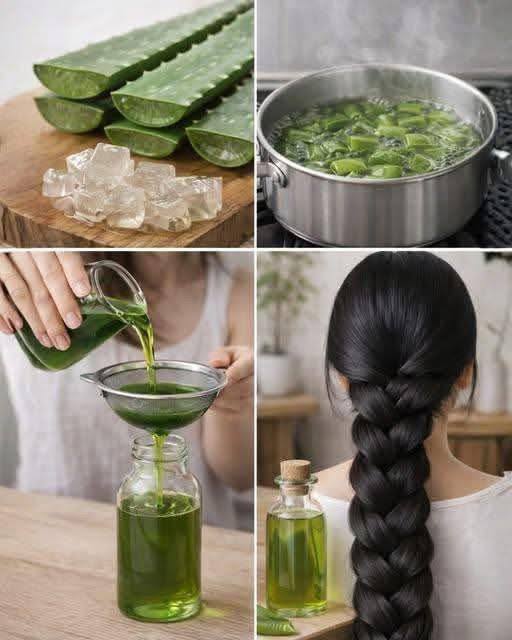
Introduction
Are you dreaming of luscious, vibrant hair that seems to grow effortlessly? Do you find yourself battling frustrating hair loss, searching for a natural solution that truly works? Look no further than the incredible power of aloe vera! This ancient succulent, revered for centuries for its healing properties, holds a secret weapon for your hair: homemade aloe vera oil. Forget expensive treatments and harsh chemicals; this natural remedy offers a gentle yet potent approach to nurturing your scalp and encouraging healthy, robust hair growth.
Aloe vera oil isn’t just a trend; it’s a time-tested elixir packed with vitamins, minerals, and amino acids that directly benefit your hair follicles. By infusing the gel from fresh aloe vera leaves into a nourishing carrier oil, you create a powerful concoction designed to deeply moisturize, soothe irritation, and strengthen strands from root to tip. This DIY approach not only saves you money but also ensures you’re using a pure, unadulterated product free from synthetic additives.
In this comprehensive guide, we’ll walk you through every step of making your own aloe vera oil at home, from selecting the perfect leaves to applying the finished product for maximum benefit. Prepare to unlock the secrets to a healthier scalp, reduced hair fall, and visibly faster hair growth, all thanks to the magic of this remarkable plant.
Nutritional Information
Per serving (approximate values):
- Calories: 120
- Protein: 0.5g
- Carbohydrates: 1g
- Fat: 13g
- Fiber: 0g
- Sodium: 2mg
Ingredients
- 2-3 large, fresh aloe vera leaves (about 1.5-2 cups of gel)
- 1 cup (240ml) carrier oil (such as organic virgin coconut oil, extra virgin olive oil, or jojoba oil)
- 1/4 cup (60ml) distilled water (optional, for initial rinse)
- 2-3 drops essential oil (optional, e.g., rosemary, lavender, or peppermint for added benefits and fragrance)
Instructions
- Prepare the Aloe Vera Leaves:
- Carefully cut 2-3 large, mature aloe vera leaves from the base of the plant. Look for thick, fleshy leaves.
- Immediately after cutting, stand the leaves upright in a glass or bowl for about 10-15 minutes. This allows the yellow-ish aloin (a latex-like substance that can be irritating) to drain out. Discard the drained liquid.
- Rinse the leaves thoroughly under cool running water. If desired, you can give them a quick rinse with 1/4 cup of distilled water.
- Using a sharp knife, carefully trim off the spiny edges of each leaf.
- Lay the leaf flat and, using a vegetable peeler or knife, gently peel off the top green skin. Then, peel off the bottom green skin, leaving you with the clear, gelatinous aloe vera gel.
- Dice the clear gel into small cubes or scrape it out with a spoon into a clean bowl. You should aim for approximately 1.5 to 2 cups of gel.
- Blend the Aloe Vera Gel:
- Transfer the diced or scraped aloe vera gel into a blender or food processor.
- Blend until you achieve a smooth, slightly frothy consistency. This helps to break down the gel, making it easier to infuse into the oil.
- Combine Aloe Vera and Carrier Oil:
- Pour the 1 cup of your chosen carrier oil into a clean, dry saucepan or a heat-safe glass jar (if using a double boiler method).
- Add the blended aloe vera gel to the carrier oil in the saucepan.
- Stir gently to combine the aloe vera and oil thoroughly.
- Infusion Process (Double Boiler Method Recommended):
- For Double Boiler: Place the saucepan or heat-safe glass jar containing the aloe vera and oil into a larger pot filled with a few inches of water. Ensure the water level is below the rim of the inner pot/jar.
- Heat the larger pot over low to medium-low heat. The goal is to gently warm the oil-aloe mixture, not to cook or fry it.
- Stir the mixture frequently. You will notice the aloe vera gel gradually start to break down and release its essence into the oil. The color of the oil might change slightly, and the aloe vera pulp will start to look drier and settle at the bottom.
- Continue heating and stirring for about 20-30 minutes, or until the aloe vera pulp appears golden brown and crispy, and the oil takes on a yellowish-green tint. Be careful not to burn the aloe vera, as this can affect the oil’s quality and smell.
- Direct Heat (Use with Caution): If you don’t have a double boiler, you can heat the mixture directly in a saucepan over very low heat. Stir constantly to prevent burning. This method requires more vigilance to avoid overheating.
- Cool and Strain the Oil:
- Once the infusion process is complete, remove the saucepan from the heat.
- Allow the aloe vera oil mixture to cool down completely to room temperature. This is crucial before straining.
- Place a fine-mesh strainer over a clean, dry glass bowl or measuring cup. For extra clarity, you can line the strainer with a few layers of cheesecloth or a coffee filter.
- Carefully pour the cooled aloe vera oil mixture through the strainer, allowing the infused oil to collect in the bowl below.
- Gently press down on the remaining aloe vera pulp in the strainer with a spoon to extract as much oil as possible. Discard the strained pulp.
- Add Essential Oils (Optional) and Store:
- If desired, once the strained oil is completely cool, add 2-3 drops of your chosen essential oil (e.g., rosemary for growth stimulation, lavender for soothing, or peppermint for scalp circulation). Stir well to combine.
- Pour the finished aloe vera oil into a clean, airtight, dark glass bottle or jar. Dark glass helps protect the oil from light degradation.
- Label the bottle with the date of preparation.
Cooking Tips and Variations
For the best results, always use fresh, mature aloe vera leaves. The gel from younger leaves tends to be less potent. When selecting a carrier oil, consider your hair type: coconut oil is excellent for deep conditioning and shine, olive oil is great for dry, damaged hair, and jojoba oil closely mimics the scalp’s natural sebum, making it ideal for balancing oily scalps. Always ensure your equipment is clean and dry to prevent mold or bacterial growth in your homemade oil.
To enhance the hair growth benefits, you can add other natural ingredients during the infusion process. A tablespoon of dried fenugreek seeds or a few sprigs of fresh rosemary can be added to the oil along with the aloe vera gel. These ingredients are known for their hair-strengthening and stimulating properties. For a delightful aroma, experiment with different essential oils; just be sure to choose pure, therapeutic-grade oils and always add them after the oil has cooled to preserve their beneficial properties.
If you prefer a thicker, more serum-like consistency, you can reduce the amount of carrier oil slightly, or conversely, if you want a lighter oil, increase the carrier oil. Always perform a patch test on a small area of your skin (e.g., behind your ear or inner elbow) before applying the oil all over your scalp, especially if you have sensitive skin or are prone to allergies. This helps ensure you don’t have an adverse reaction to the aloe vera or any other added ingredients.
Storage and Reheating
Proper storage is key to maintaining the potency and extending the shelf life of your homemade aloe vera oil. Store the oil in a clean, airtight, dark glass bottle or jar in a cool, dark place, away from direct sunlight and heat. A pantry or cupboard is ideal. Exposure to light and heat can cause the oil to degrade and lose its beneficial properties more quickly. Properly stored, your aloe vera oil should last for approximately 1-2 months. If you notice any changes in smell, color, or consistency, or if any mold appears, it’s best to discard the oil.
Since this is an oil, reheating is generally not necessary or recommended for application. The oil can be used at room temperature. If you find the oil has solidified (common with coconut oil in cooler temperatures), you can gently warm the bottle by placing it in a bowl of warm water for a few minutes until it liquefies. Avoid microwaving or heating the oil directly over high heat, as this can destroy beneficial compounds.
Frequently Asked Questions
How often should I use aloe vera oil for hair growth?
For optimal results, it’s generally recommended to use aloe vera oil 2-3 times a week. Apply it as a pre-shampoo treatment, leaving it on for at least 30 minutes to an hour, or even overnight, before washing your hair. Consistency is key to seeing noticeable improvements in hair growth and reduced hair loss.
Can aloe vera oil cause hair loss?
No, pure aloe vera oil made with natural ingredients is not known to cause hair loss. In fact, it’s widely used to combat hair loss and promote growth. However, if you experience any irritation, redness, or increased hair fall after using it, discontinue use immediately. This could indicate an allergic reaction to aloe vera or the carrier oil, or improper preparation of the oil (e.g., if aloin wasn’t fully drained).
How long does it take to see results from using aloe vera oil?
Results can vary from person to person depending on individual hair type, consistency of use, and the underlying cause of hair loss. Some people may notice a reduction in hair fall and improved scalp health within a few weeks, while significant hair growth may take 2-3 months of regular application. Patience and consistent use are essential for achieving the best outcomes.
Can I use store-bought aloe vera gel instead of fresh leaves?
While fresh aloe vera leaves are highly recommended for their purity and potency, you can use 100% pure, uncolored, and unscented store-bought aloe vera gel as an alternative if fresh leaves are unavailable. However, be aware that many commercial gels contain preservatives and additives that may not be ideal for hair oil. Always check the ingredient list to ensure it’s as pure as possible. The infusion process with store-bought gel might also yield slightly different results compared to fresh gel.