

Introduction
There’s something undeniably comforting about a classic butter cake. It’s the kind of dessert that evokes childhood memories, warm kitchens, and simple pleasures. Forget fussy frostings and elaborate decorations; this Easy Butter Cake recipe celebrates the pure, unadulterated joy of rich, buttery flavor and a wonderfully tender crumb. It’s not just a cake; it’s a hug in baked form, perfect for any occasion, from a casual afternoon tea to a simple family dinner.
What makes this particular recipe “easy”? It boils down to straightforward ingredients you likely already have in your pantry, a minimal amount of specialized equipment, and a method that’s incredibly forgiving, even for novice bakers. We’re talking about a quick and simple process that leads to consistently delicious results every time. You’ll be amazed at how effortlessly you can create a cake that tastes like it came from a professional bakery, yet requires no advanced baking skills. This butter cake is designed to be accessible, making homemade baking a stress-free and rewarding experience.
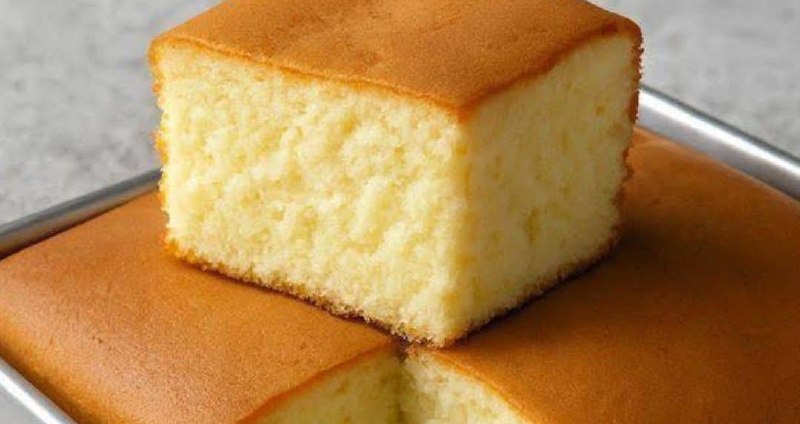
The beauty of this Easy Butter Cake lies in its versatility. It’s absolutely divine on its own, its golden crust and soft, airy interior providing a perfect canvas for pure enjoyment. But it also serves as an excellent base for a myriad of additions. Dust it with a little powdered sugar, serve it alongside fresh berries and a dollop of whipped cream, or even use it as the foundation for a more elaborate dessert. This recipe promises a cake with a perfectly golden-brown exterior, a moist and tender crumb, and that irresistible, nostalgic buttery taste that everyone adores.
Nutritional Information
Per serving (approximate values):
- Calories: 350
- Protein: 5g
- Carbohydrates: 45g
- Fat: 18g
- Fiber: 1g
- Sodium: 250mg
Ingredients
- 1 cup (2 sticks or 226g) unsalted butter, softened to room temperature
- 1 ¾ cups (350g) granulated sugar
- 4 large eggs, at room temperature
- 1 teaspoon pure vanilla extract
- 2 ½ cups (300g) all-purpose flour, sifted
- 1 tablespoon baking powder
- ½ teaspoon salt
- 1 cup (240ml) whole milk, at room temperature
Instructions
- Preheat your oven to 350°F (175°C). Grease and flour a 9×13 inch baking pan, or line it with parchment paper, leaving an overhang on the sides for easy removal.
- In a large mixing bowl, using an electric mixer (stand mixer with paddle attachment or a handheld mixer), cream together the softened butter and granulated sugar on medium-high speed until the mixture is light in color and fluffy, about 3-5 minutes. This step is crucial for incorporating air into the batter, which contributes to the cake’s tender crumb. Scrape down the sides of the bowl as needed to ensure everything is well combined.
- Add the eggs one at a time, beating well after each addition. Make sure each egg is fully incorporated before adding the next. This helps create a stable emulsion. Once all eggs are added, beat in the vanilla extract until just combined. The mixture should look smooth and creamy.
- In a separate medium bowl, whisk together the sifted all-purpose flour, baking powder, and salt. Sifting the flour beforehand helps to prevent lumps and ensures a lighter cake texture.
- With the mixer on low speed, gradually add about one-third of the dry ingredients to the wet ingredients, mixing until just combined. Do not overmix.
- Pour in half of the whole milk and mix on low speed until just incorporated.
- Add another one-third of the dry ingredients, mixing until just combined.
- Follow with the remaining half of the milk, mixing until just incorporated.
- Finally, add the last one-third of the dry ingredients, mixing only until no streaks of flour remain. Be very careful not to overmix the batter at this stage, as overmixing can develop the gluten in the flour, leading to a tough, dry cake. A few small lumps are better than overmixing.
- Pour the cake batter evenly into the prepared 9×13 inch baking pan. Use an offset spatula or the back of a spoon to gently smooth the top.
- Bake for 30-35 minutes, or until a wooden skewer or toothpick inserted into the center of the cake comes out clean. The cake should be golden brown on top and spring back lightly when gently pressed.
- Once baked, remove the pan from the oven and place it on a wire rack to cool for about 15-20 minutes. This allows the cake to set and prevents it from sticking to the pan.
- After 15-20 minutes, carefully invert the cake onto the wire rack, remove the pan, and then invert it again so the cake is right-side up. Allow the cake to cool completely on the wire rack before slicing and serving. Cooling completely ensures the crumb is perfectly set and easy to cut.
Cooking Tips and Variations
For the perfect Easy Butter Cake every time, ensure all your cold ingredients, especially the butter, eggs, and milk, are at room temperature. This allows them to emulsify properly, creating a smooth, homogenous batter that traps air efficiently, leading to a lighter, more tender cake. If your butter isn’t soft enough, you can cut it into smaller pieces and leave it out for 30 minutes, or microwave it for 5-10 seconds at a time until pliable but not melted. For eggs, place them in a bowl of warm water for 5-10 minutes. Overmixing is the enemy of a tender cake; once you add the flour, mix only until just combined to avoid developing tough gluten strands. An oven thermometer is also a great investment to ensure your oven is truly at the temperature you set, preventing uneven baking.
This simple butter cake is a fantastic canvas for flavor variations. To enhance the classic vanilla profile, consider adding an extra teaspoon of vanilla bean paste for a more intense, gourmet flavor. For a citrusy twist, fold in 1-2 tablespoons of lemon, orange, or lime zest with the wet ingredients. Almond extract (1/2 teaspoon) can add a lovely depth, or you could experiment with other extracts like coconut or rum. For a chocolate chip butter cake, gently fold in 1 cup of mini chocolate chips during the final stage of mixing the batter. If you’re feeling adventurous, swirl in a few tablespoons of fruit preserves (like raspberry or apricot) into the batter before baking for a marbled effect. For a hint of spice, add 1 teaspoon of ground cinnamon or a pinch of nutmeg to the dry ingredients. You can also sprinkle a layer of cinnamon sugar on top of the batter before baking for a crunchy, sweet crust.
Serving this easy butter cake can be as simple or as elaborate as you like. It’s absolutely delicious served plain, perhaps with a light dusting of powdered sugar. For a fresh touch, pair it with seasonal berries, sliced peaches, or a simple fruit compote. A dollop of freshly whipped cream or a scoop of vanilla ice cream elevates it into a more decadent dessert. You could also make a simple glaze by whisking powdered sugar with a little milk or lemon juice and drizzling it over the cooled cake. For a richer topping, a classic chocolate ganache or a light cream cheese frosting would also be delightful. Its sturdy yet tender crumb makes it suitable for being served with coffee or tea, making it a perfect afternoon treat.
Storage and Reheating
To keep your Easy Butter Cake fresh, store it in an airtight container at room temperature for up to 3-4 days. If your kitchen is particularly warm or humid, or if the cake has any perishable toppings (like fresh cream), it’s best to store it in the refrigerator. When refrigerating, ensure it’s tightly wrapped or in an airtight container to prevent it from drying out or absorbing other odors from the fridge. In the refrigerator, it will stay fresh for up to a week.
This butter cake also freezes beautifully. Once the cake has completely cooled, wrap individual slices or the entire cake tightly in plastic wrap, then an additional layer of aluminum foil. This double layer of protection helps prevent freezer burn. Store in the freezer for up to 3 months. When you’re ready to enjoy it, thaw the cake overnight in the refrigerator, or at room temperature for a few hours. For a quick reheat, individual slices can be warmed in the microwave for 15-30 seconds, or in a preheated oven at 300°F (150°C) for 5-10 minutes until just warm and soft. Be careful not to overheat, as this can dry out the cake.
Frequently Asked Questions
What makes this cake “easy” compared to other butter cakes?
This recipe is designed for simplicity by using readily available pantry staples and a straightforward creaming method that’s forgiving for beginners. There are no complex techniques, multiple bowls for separation, or intricate steps involved. The result is a consistently delicious cake with minimal effort, making it perfect for those new to baking or looking for a quick, reliable dessert.
Can I substitute ingredients in this recipe?
While the recipe is designed for optimal results with the listed ingredients, some substitutions are possible with care. For butter, margarine or a plant-based butter alternative can be used, though the flavor and texture may vary slightly. For milk, you can use any dairy milk (2% or skim), or unsweetened non-dairy milk like almond or soy milk, understanding that the richness might change. Flour substitutions should be approached with caution; a gluten-free all-purpose blend might work, but results can vary. For best results, especially if you’re a beginner, stick to the specified ingredients.
Why are room temperature ingredients so important for this cake?
Room temperature ingredients, especially butter, eggs, and milk, are crucial for achieving the best texture in this butter cake. Softened butter creams more easily with sugar, incorporating more air, which leads to a lighter, fluffier cake. Room temperature eggs emulsify better into the butter-sugar mixture, preventing curdling and creating a smoother batter. Room temperature milk blends seamlessly with the other ingredients, ensuring a consistent batter without lumps. Cold ingredients can cause the batter to seize, resulting in a denser, less tender cake.
My cake came out dry/dense. What went wrong?
If your cake turned out dry or dense, there are a few common culprits. Overmixing the batter after adding the flour is the most frequent cause, as it develops the gluten, making the cake tough. Ensure you mix only until just combined. Another reason could be overbaking; ovens vary, so start checking for doneness at the lower end of the baking time. Using too much flour (e.g., not measuring accurately or not sifting) can also lead to a dry cake. Lastly, ensure your leavening agent (baking powder) is fresh and active, as expired baking powder will result in a cake that doesn’t rise properly and can be dense.