

Introduction
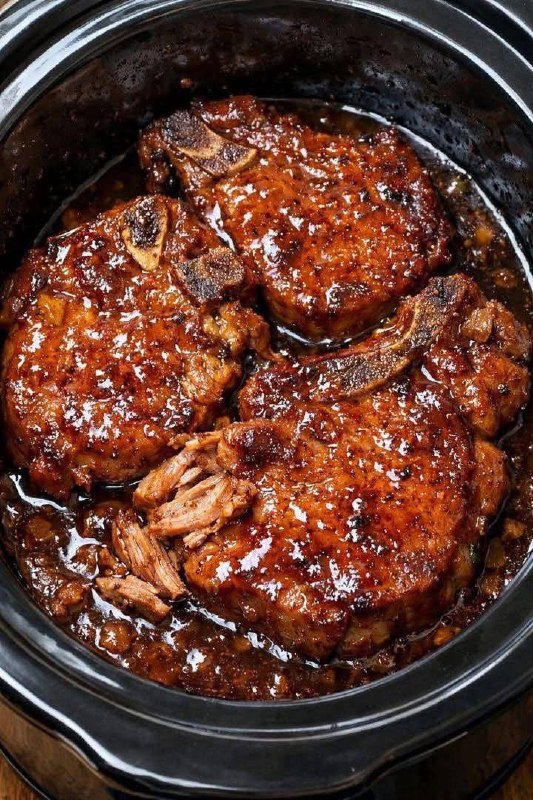
Imagine tender, fall-off-the-bone pork chops, slow-cooked to perfection in a rich, savory sauce infused with the malty sweetness of brown ale. These Brown Ale Pork Chops are not just a meal; they’re a comforting embrace, a culinary hug that warms you from the inside out. This recipe takes the humble pork chop and elevates it into an extraordinary dish with minimal effort, thanks to the magic of slow cooking. The deep, complex flavors developed over hours in your Crock-Pot make this a truly unforgettable experience, perfect for a cozy night in or impressing guests without breaking a sweat.
What makes these Brown Ale Pork Chops truly special is the way the robust brown ale transforms during the slow cooking process. Its characteristic notes of caramel and toasted malt meld seamlessly with aromatic onions and garlic, creating a sauce that is both hearty and incredibly nuanced. The acidity and enzymes in the beer also work wonders to tenderize the pork, ensuring every bite is succulent and melts in your mouth. This isn’t just a recipe; it’s a “set it and forget it” solution to weeknight dinner dilemmas, promising a complete, flavorful meal ready to greet you after a long day.
Beyond its incredible flavor, this dish offers unparalleled convenience. The slow cooker does all the hard work, allowing you to go about your day while dinner simmers to perfection. It’s a fantastic option for busy families, meal prep enthusiasts, or anyone who loves the idea of coming home to a delicious, home-cooked meal with minimal fuss. Whether you’re a seasoned chef or a beginner in the kitchen, these Brown Ale Pork Chops are designed to deliver maximum flavor with maximum ease, making them a staple in your recipe rotation.
Nutritional Information
Per serving (approximate values):
- Calories: 550
- Protein: 45g
- Carbohydrates: 20g
- Fat: 30g
- Fiber: 3g
- Sodium: 650mg
Ingredients
- 4 bone-in pork chops (about 1.5 inches thick, 1.5-2 lbs total)
- 1 tablespoon olive oil
- 1 large yellow onion, diced
- 4 cloves garlic, minced
- 1 (12 ounce) bottle brown ale (such as Newcastle Brown Ale or Samuel Smith’s Nut Brown Ale)
- 1 cup beef broth
- 2 tablespoons Worcestershire sauce
- 1 tablespoon Dijon mustard
- 1 teaspoon dried thyme
- 1/2 teaspoon smoked paprika
- Salt and freshly ground black pepper to taste
- 2 tablespoons cornstarch (optional, for thickening)
- 2 tablespoons cold water (optional, for thickening)
- Fresh parsley, chopped, for garnish (optional)
Instructions
- Pat the pork chops dry with paper towels. Season generously on both sides with salt and freshly ground black pepper.
- Heat olive oil in a large skillet over medium-high heat. Once hot, sear the pork chops for 3-4 minutes per side, until deeply golden brown. Do not overcrowd the pan; sear in batches if necessary. Remove seared pork chops from the skillet and set aside.
- Reduce heat to medium. Add the diced onion to the same skillet and cook, stirring occasionally, until softened and translucent, about 5-7 minutes.
- Add the minced garlic to the skillet and cook for another minute until fragrant, being careful not to burn it.
- Pour in the brown ale and beef broth. Scrape up any browned bits from the bottom of the pan with a wooden spoon – these bits are full of flavor!
- Stir in the Worcestershire sauce, Dijon mustard, dried thyme, and smoked paprika. Bring the mixture to a gentle simmer.
- Carefully transfer the seared pork chops into your slow cooker. Pour the simmering sauce mixture over the pork chops, ensuring they are mostly submerged.
- Cover the slow cooker and cook on LOW for 4-6 hours, or on HIGH for 2-3 hours, or until the pork chops are incredibly tender and easily pull apart with a fork. Avoid lifting the lid frequently, as this releases heat and extends cooking time.
- Once cooked, carefully remove the pork chops from the slow cooker and transfer them to a serving platter. Tent loosely with foil to keep warm.
- If you prefer a thicker sauce, you can thicken the slow cooker liquid. In a small bowl, whisk together the cornstarch and cold water until smooth to create a slurry. Add the slurry to the hot liquid in the slow cooker, whisking constantly. Cook on HIGH for another 15-20 minutes, or until the sauce has thickened to your desired consistency. Alternatively, you can transfer the sauce to a saucepan and simmer on the stovetop over medium-high heat until thickened.
- Taste the sauce and adjust seasonings if necessary. Spoon the rich brown ale sauce generously over the pork chops.
- Garnish with fresh chopped parsley, if desired, and serve immediately with your favorite side dishes.
Cooking Tips and Variations
For the best flavor, always choose bone-in pork chops that are at least 1-inch thick. Thicker chops are less likely to dry out and will be more tender. When searing, ensure your pan is hot enough to achieve a deep golden-brown crust, as this adds a crucial layer of flavor through the Maillard reaction. Don’t overcrowd the pan; sear in batches to allow for proper browning. If you’re sensitive to bitterness, choose a milder brown ale, or consider adding a pinch of brown sugar or maple syrup to the sauce to balance the flavors. For an extra layer of richness, you can add a few slices of bacon, cooked and crumbled, to the slow cooker along with the onions and garlic. Feel free to experiment with other aromatics like bell peppers or carrots, adding them with the onions. For a mushroom lover’s variation, sauté sliced mushrooms with the onions and garlic before adding the liquids. If you don’t have beef broth on hand, chicken broth can be used as a substitute, though beef broth will provide a deeper, more robust flavor. A splash of balsamic vinegar or a teaspoon of smoked paprika can further deepen the savory notes of the sauce. Remember, the slow cooker is your friend, but resist the urge to peek too often, as every lift of the lid extends the cooking time. Trust the process, and you’ll be rewarded with incredibly tender pork chops.
Storage and Reheating
Leftover Brown Ale Pork Chops and sauce can be stored in an airtight container in the refrigerator for up to 3-4 days. To reheat, gently warm the pork chops and sauce in a saucepan over medium-low heat on the stovetop until heated through. You can also reheat individual portions in the microwave, covering them loosely to prevent drying out. If the sauce has thickened too much in the refrigerator, you can loosen it with a splash of beef broth or water while reheating. For longer storage, the cooked pork chops and sauce can be frozen in an airtight, freezer-safe container for up to 3 months. Thaw overnight in the refrigerator before reheating. Always ensure the pork is reheated to an internal temperature of 165°F (74°C).
Frequently Asked Questions
Can I make this recipe with boneless pork chops?
Yes, you can use boneless pork chops, but they tend to cook faster and can dry out more easily. If using boneless chops, reduce the cooking time by about 1-2 hours on LOW or 30-60 minutes on HIGH, and monitor for tenderness. Bone-in chops generally offer more flavor and tend to stay juicier during slow cooking.
What kind of brown ale should I use?
A standard brown ale like Newcastle Brown Ale or Samuel Smith’s Nut Brown Ale works perfectly, offering malty, caramel notes without being overly bitter or hoppy. Avoid very hoppy IPAs or dark stouts, as their flavors can be too intense or bitter for this particular recipe. A mild amber ale could also be a good substitute if brown ale isn’t available.
My sauce is too thin/too thick, what can I do?
If your sauce is too thin, you can thicken it as described in the instructions by making a cornstarch slurry (2 tablespoons cornstarch whisked with 2 tablespoons cold water) and stirring it into the hot sauce in the slow cooker or simmering it on the stovetop. If the sauce is too thick, simply thin it out by stirring in a little extra beef broth or water until it reaches your desired consistency.
What are good side dishes to serve with these pork chops?
These Brown Ale Pork Chops pair wonderfully with creamy mashed potatoes, which are perfect for soaking up the delicious sauce. Other great options include roasted root vegetables (carrots, parsnips, potatoes), creamy polenta, egg noodles, or a simple side of steamed green beans or asparagus to add some freshness and balance to the rich dish.