

Introduction
Get ready to ignite your taste buds with a dish that’s as fun to say as it is to eat: Bulgogi! This beloved Korean classic, often translated as “fire meat,” is a cornerstone of Korean cuisine, celebrated worldwide for its irresistible sweet, savory, and umami-packed flavor profile. Traditionally featuring thinly sliced beef marinated in a soy sauce-based concoction and then grilled or pan-fried, Bulgogi offers a symphony of tastes that promises to transport your palate straight to the bustling streets of Seoul. It’s a dish that embodies comfort, flavor, and the vibrant spirit of Korean cooking, making it a perennial favorite for family dinners, gatherings, and a quick weeknight treat.
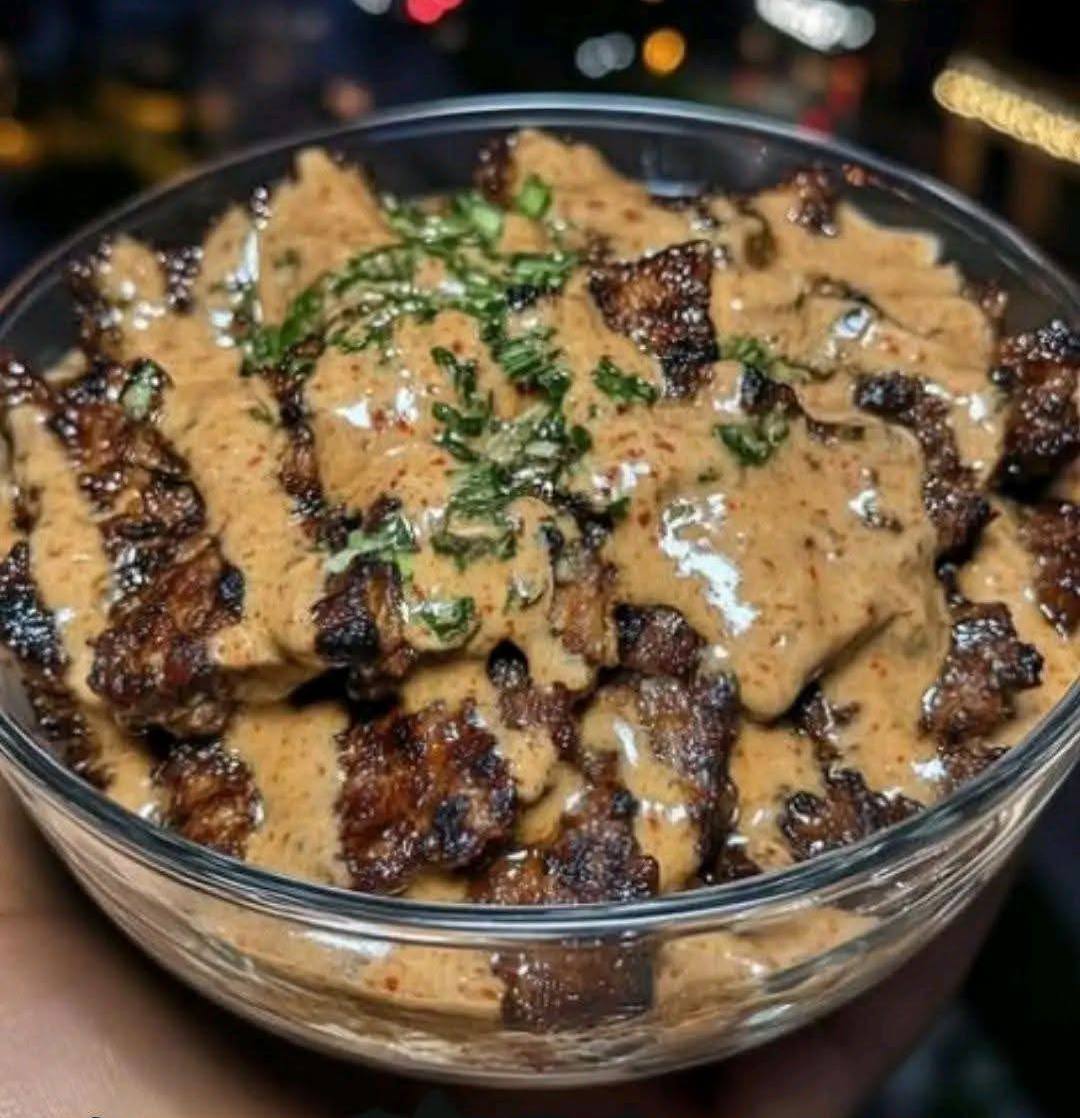
While Bulgogi is fantastic on its own, we’re taking it to the next level today with “Karen’s Beef Bulgogi Bowls.” This recipe transforms the traditional experience into a customizable, wholesome, and incredibly satisfying meal that’s perfect for modern kitchens. By presenting Bulgogi in a bowl format, we create a canvas for a variety of fresh accompaniments, allowing you to build a meal that suits your cravings and dietary preferences. It’s an adaptable dish that brings the authentic taste of Korea right to your table, with the added convenience and versatility of a bowl.
What makes “Karen’s Beef Bulgogi Bowls” truly special is a touch of creative flair that enhances the classic. We’re keeping the integrity of the traditional marinade but elevating the overall bowl experience with thoughtful additions and a creamy, slightly spicy sauce that complements the rich beef beautifully. This isn’t just a recipe; it’s an invitation to explore the delicious possibilities of Korean flavors, offering a balanced and incredibly flavorful meal that’s both exciting to prepare and delightful to devour. Whether you’re a seasoned Korean food enthusiast or new to the cuisine, these Bulgogi bowls are guaranteed to become a new favorite in your culinary repertoire.
Nutritional Information
Per serving (approximate values):
- Calories: 550
- Protein: 45g
- Carbohydrates: 50g
- Fat: 20g
- Fiber: 5g
- Sodium: 950mg
Ingredients
For the Beef Marinade:
- 1.5 lbs thinly sliced beef (ribeye, sirloin, or tenderloin recommended)
- 1/4 cup soy sauce
- 2 tablespoons brown sugar
- 1 tablespoon sesame oil
- 1 tablespoon minced garlic
- 1 tablespoon grated fresh ginger
- 1/2 small yellow onion, grated or finely pureed
- 1 tablespoon mirin (rice wine)
- 1/2 teaspoon black pepper
- 1 tablespoon sesame seeds (optional, for marinade)
For the Creamy Gochujang Sauce:
- 1/4 cup mayonnaise
- 2 tablespoons gochujang (Korean chili paste)
- 1 tablespoon rice vinegar
- 1 tablespoon honey or maple syrup
- 1 teaspoon sesame oil
- 1 teaspoon minced garlic
- 1-2 tablespoons water (to adjust consistency)
For Assembling the Bowls:
- 4 cups cooked short-grain white rice (or brown rice, quinoa, lettuce wraps)
- 1 cup shredded carrots
- 1 cup thinly sliced cucumber
- 1/2 cup kimchi (optional, but highly recommended)
- 2 green onions, thinly sliced (for garnish)
- 1 tablespoon toasted sesame seeds (for garnish)
- Fresh cilantro or parsley, chopped (for garnish)
- Drizzle of extra sesame oil (optional, for serving)
Instructions
- Prepare the Beef: If your beef is not already thinly sliced, place it in the freezer for 20-30 minutes to firm up, then slice it against the grain as thinly as possible (about 1/8 inch thick). Cut larger slices into bite-sized pieces if desired.
- Make the Marinade: In a medium bowl, combine the soy sauce, brown sugar, sesame oil, minced garlic, grated ginger, grated onion, mirin, black pepper, and optional sesame seeds. Whisk until the sugar is dissolved and all ingredients are well combined.
- Marinate the Beef: Add the thinly sliced beef to the marinade, ensuring all pieces are thoroughly coated. Cover the bowl and refrigerate for at least 30 minutes, or ideally 2-4 hours, for the best flavor. For maximum tenderness and flavor, you can marinate overnight.
- Prepare the Gochujang Sauce: While the beef is marinating, prepare the creamy gochujang sauce. In a small bowl, whisk together the mayonnaise, gochujang, rice vinegar, honey (or maple syrup), sesame oil, and minced garlic. Add 1-2 tablespoons of water, one tablespoon at a time, until the sauce reaches your desired drizzling consistency. Taste and adjust sweetness or spice as needed. Cover and refrigerate until ready to use.
- Cook the Bulgogi: Heat a large skillet or non-stick pan over medium-high heat. Add a tablespoon of neutral cooking oil (like vegetable or canola oil). Once hot, add the marinated beef in a single layer, making sure not to overcrowd the pan. Cook in batches if necessary to ensure proper browning and avoid steaming the meat.
- Stir-Fry the Beef: Stir-fry the beef for 2-4 minutes, flipping occasionally, until it is beautifully browned and cooked through. The thin slices cook very quickly. Remove the cooked beef from the pan and set aside. Repeat with any remaining batches of beef.
- Assemble the Bowls: Divide the cooked short-grain rice evenly among four serving bowls.
- Add the Toppings: Arrange a generous portion of the cooked Bulgogi beef over the rice in each bowl. Artfully arrange the shredded carrots, thinly sliced cucumber, and kimchi (if using) around the beef.
- Garnish and Serve: Drizzle a generous amount of the creamy gochujang sauce over the beef and vegetables. Garnish each bowl with thinly sliced green onions, a sprinkle of toasted sesame seeds, and fresh chopped cilantro or parsley. For an extra touch of richness, you can add a tiny drizzle of extra sesame oil.
- Enjoy Immediately: Serve your Karen Beef Bulgogi Bowls immediately and savor the explosion of flavors!
Cooking Tips and Variations
For the most tender Bulgogi, selecting the right cut of beef is crucial. Ribeye is often considered the gold standard due to its marbling, which keeps the meat juicy and flavorful. Sirloin or tenderloin are also excellent choices for their tenderness. When slicing, remember the freezer trick: chilling the beef for 20-30 minutes makes it much easier to achieve those paper-thin slices against the grain, which is essential for quick cooking and optimal marinade absorption. Don’t underestimate the power of marinating time; while 30 minutes will yield a tasty result, letting the beef soak in those flavors for 2-4 hours, or even overnight, will deepen the umami and make your Bulgogi truly unforgettable. When cooking, resist the urge to overcrowd your pan. Cooking the beef in batches ensures that it sears beautifully and develops those delightful caramelized edges, rather than steaming and turning gray. High heat and quick cooking are your allies here.
The beauty of these Bulgogi bowls lies in their versatility. While short-grain white rice is traditional and provides a comforting base, feel free to experiment. Brown rice offers a nuttier flavor and more fiber, while quinoa provides a protein-rich alternative. For a lighter, low-carb option, serve your Bulgogi over a bed of crisp lettuce, creating delicious Bulgogi lettuce wraps. The creamy gochujang sauce is a star, but you can certainly play with its profile. For an extra kick, increase the amount of gochujang or add a pinch of gochugaru (Korean chili flakes). If you prefer a nuttier, richer sauce, a teaspoon of tahini or a tablespoon of finely ground peanut butter can be a delightful addition. Always taste and adjust to your preference.
Beyond the core ingredients, the toppings are where you can truly personalize your bowl. Kimchi is a must-have for its tangy, spicy, and probiotic goodness, providing a fantastic contrast to the sweet beef. Consider adding other pickled vegetables like daikon radish or cucumber for extra crunch and tang. A fried egg with a runny yolk atop your bowl adds a luxurious richness. For a pop of freshness, thinly sliced radishes, a sprinkle of toasted nori (seaweed), or even some blanched spinach seasoned with sesame oil can elevate the experience. Don’t forget the garnishes: fresh cilantro, extra sesame seeds, and a drizzle of extra sesame oil not only add visual appeal but also enhance the overall aroma and flavor. These tips and variations ensure that every Bulgogi bowl you create is a culinary adventure tailored to your liking.
Storage and Reheating
To store leftover Karen Beef Bulgogi Bowls, it’s best to separate the components if possible, especially the wet ingredients from the dry. Store the cooked Bulgogi beef in an airtight container in the refrigerator for up to 3-4 days. The creamy gochujang sauce should also be stored separately in a sealed container in the fridge for the same duration. Cooked rice can be stored in an airtight container for 3-4 days. Fresh vegetables like carrots and cucumber are best kept separate and added fresh when serving leftovers to maintain their crispness. Assembled bowls can be stored, but the vegetables may lose some texture.
When reheating, gently warm the Bulgogi beef in a skillet over medium heat until heated through, about 3-5 minutes, adding a tiny splash of water or broth if it seems dry. You can also microwave the beef and rice separately until warm. It’s always a good idea to reheat rice until steaming hot to ensure food safety. Once the beef and rice are warm, reassemble your bowl with fresh vegetables and a drizzle of the stored creamy gochujang sauce. Avoid overcooking the beef during reheating, as it can become tough. The goal is to warm it through while preserving its tender texture.
Frequently Asked Questions
What kind of beef is best for Bulgogi?
For the most tender and flavorful Bulgogi, ribeye is highly recommended due to its marbling. Sirloin and tenderloin are also excellent choices. The key is to select a cut that can be thinly sliced and will remain tender after cooking.
Can I make Bulgogi without an onion?
While grated onion is a traditional ingredient in Bulgogi marinade and helps tenderize the meat while adding a subtle sweetness and depth of flavor, you can omit it if you have an allergy or simply don’t have one on hand. The flavor profile will be slightly different, but still delicious. You might consider adding a bit more brown sugar or a touch of apple juice to compensate for some of the sweetness.
How can I make my Bulgogi spicier?
To make your Bulgogi spicier, you have a few options. You can add 1-2 teaspoons of gochugaru (Korean chili flakes) to the beef marinade. For the creamy gochujang sauce, simply increase the amount of gochujang to your desired spice level. You can also add a pinch of red pepper flakes or a dash of hot sauce to the finished dish when serving.
Can I prepare the Bulgogi ahead of time?
Absolutely! Preparing the Bulgogi ahead of time is a fantastic way to streamline meal prep. You can marinate the beef for up to 24 hours in the refrigerator. The creamy gochujang sauce can also be made a day or two in advance and stored in the fridge. This makes assembling the bowls on a busy weeknight incredibly quick and easy, as all you’ll need to do is cook the beef and rice.