

The Powerful Health Benefits of Onions
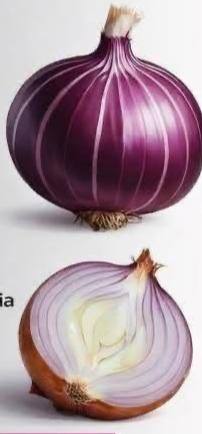
Often relegated to a supporting role, the humble onion is a culinary workhorse, quietly adding depth, pungency, and sweetness to countless dishes around the globe. We chop them, sauté them, caramelize them, and sometimes even shed a tear over them, yet we rarely pause to appreciate the extraordinary power packed within their papery layers. Far from just a flavor enhancer, onions, particularly the vibrant red varieties pictured here, are nutritional powerhouses brimming with compounds that offer significant health benefits, making them a true unsung hero of healthy eating.
Today, we’re pulling the onion into the spotlight to celebrate its remarkable contributions to our well-being and our taste buds. We’ll delve into the science behind their health-boosting properties, explore their incredible versatility in the kitchen, and share a delightful recipe that truly lets the beauty and flavor of red onions shine. Get ready to discover why this common ingredient deserves a prime spot on your plate, not just for its incredible taste, but for the profound impact it can have on your health.
This article will guide you through the exciting world of onions, from their potent antioxidant and anti-inflammatory benefits to their role in supporting heart and digestive health. We’ll also differentiate between various onion types and their ideal culinary uses, offering practical tips for selecting, storing, and preparing them. Prepare to embrace the onion in all its glory, transforming a simple staple into a celebrated star in your kitchen and on your journey to better health.
Unveiling the Health Secrets of Onions
Beyond their distinctive flavor, onions are packed with an impressive array of bioactive compounds that contribute to their significant health-promoting properties. These benefits stem largely from their rich concentration of antioxidants and anti-inflammatory agents, making them a valuable addition to any diet.
One of the most celebrated compounds in onions is quercetin, a powerful flavonoid antioxidant. Quercetin, along with other flavonoids, actively combats free radicals in the body, which are unstable molecules that can cause cellular damage and contribute to chronic diseases like cancer and heart disease. Red onions, in particular, boast an additional layer of antioxidant power thanks to anthocyanins. These pigments are responsible for their beautiful deep purple color and are potent antioxidants themselves, further enhancing the onion’s ability to protect your cells from oxidative stress. This antioxidant richness also translates into impressive anti-inflammatory properties, with compounds in onions shown to help reduce inflammation throughout the body, which is a root cause of many health issues.
But the benefits don’t stop there. Onions are also a good source of Vitamin C, a crucial nutrient for a robust immune system. By supporting immune cell function, onions can help your body ward off infections and illnesses. Furthermore, their potential impact on cardiovascular health is noteworthy; studies suggest that regular onion consumption may help regulate blood pressure and improve cholesterol levels, contributing to a healthier heart. For digestive health, onions provide dietary fiber and act as prebiotics. Prebiotics are non-digestible fibers that feed beneficial gut bacteria, promoting a healthy gut microbiome, which is essential for overall well-being, nutrient absorption, and even mood regulation.
The Versatility of Onions in the Kitchen
The culinary world would be a far less flavorful place without onions. Their incredible versatility and ability to transform dishes make them an indispensable ingredient for home cooks and professional chefs alike. Understanding the different types and how they behave in various cooking scenarios can elevate your culinary creations.
While all onions share a common lineage, different varieties offer unique flavor profiles and textures, making them suitable for specific applications. Yellow onions are perhaps the most common, known for their strong, pungent flavor when raw, which mellows and sweetens significantly when cooked, making them ideal for sautéing, caramelizing, and building flavor bases for soups and stews. White onions tend to have a sharper, more pungent flavor than yellow onions and a thinner, papery skin, making them popular for salsas, stir-fries, and dishes where a crisp texture and strong onion flavor are desired. Sweet onions, like Vidalia or Walla Walla, live up to their name with a milder, less pungent flavor and higher sugar content, making them excellent for raw consumption in salads and sandwiches, or for making crispy onion rings. And then there are red onions, the star of our focus today, distinguished by their beautiful purple skin and reddish-purple rings.
Red onions offer a delightful balance of pungency and sweetness. When raw, they deliver a crisp texture and a pungent, slightly spicy bite that adds a vibrant zing to salads, sandwiches, tacos, and fresh salsas. Their stunning color also makes them a fantastic garnish, instantly adding visual appeal to any plate. When cooked, red onions mellow considerably, developing a lovely sweetness similar to yellow onions, making them suitable for grilling, roasting, or incorporating into stir-fries and sauces. The magic of onions lies in this transformation: raw they provide a sharp, fresh kick, while cooking tenderizes them and unlocks their natural sugars, creating a deep, caramelized sweetness that can anchor a dish. Whether you’re aiming for a bold, fresh flavor or a rich, savory depth, there’s an onion perfect for the job.
Featured Recipe: Quick Pickled Red Onions
These Quick Pickled Red Onions are a vibrant, tangy, and incredibly versatile condiment that perfectly showcases the crisp texture and beautiful color of red onions. They add a bright, acidic counterpoint to rich dishes and a burst of flavor to almost anything.
Yield & Prep/Cook Time
- Yield: Approximately 1.5 cups
- Prep Time: 10 minutes
- Cook Time: 5 minutes (for brine) + 30 minutes minimum chilling
Ingredients
- 1 large red onion, thinly sliced
- 1 cup apple cider vinegar
- 1 cup water
- 1 tablespoon granulated sugar
- 1 teaspoon sea salt
- 1 teaspoon black peppercorns (optional)
- 2-3 sprigs fresh dill or thyme (optional)
Instructions
- Prepare the Red Onion: Peel the red onion and slice it very thinly, either by hand with a sharp knife or using a mandoline for uniform slices. Place the sliced onion into a clean, heat-proof glass jar (a pint-sized mason jar works well).
- Make the Brine: In a small saucepan, combine the apple cider vinegar, water, granulated sugar, and sea salt. If using, add the black peppercorns and fresh herbs.
- Heat the Brine: Bring the mixture to a boil over medium-high heat, stirring until the sugar and salt have fully dissolved. Once boiling, remove the saucepan from the heat.
- Pour Over Onions: Carefully pour the hot brine directly over the sliced red onions in the jar, ensuring that the onions are completely submerged. If any onions are floating, gently press them down with a spoon to ensure full immersion.
- Cool and Chill: Allow the jar to cool to room temperature on your counter. Once cool, secure the lid and transfer the jar to the refrigerator.
- Serve: The pickled red onions will be ready to enjoy after at least 30 minutes of chilling, but their flavor will deepen and improve after a few hours or overnight.
Chef’s Notes/Tips
For an extra layer of flavor, consider adding a pinch of red pepper flakes to the brine for a subtle kick, or a garlic clove, thinly sliced. These pickled onions are fantastic on tacos, burgers, sandwiches, salads, avocado toast, and even with grilled meats or fish. They also make a wonderful edible gift!
Tips for Selecting, Storing, and Preparing Onions
To fully enjoy the benefits and flavors of onions, knowing how to choose, store, and prepare them correctly is key. These simple tips will help you get the most out of your onions.
When selecting onions, always look for ones that are firm and heavy for their size. Avoid any onions that have soft spots, sprouts, or a strong odor without being cut, as these are signs of spoilage. The outer skin should be dry, papery, and free from excessive blemishes or mold. For storage, whole, unpeeled onions thrive in a cool, dark, dry, and well-ventilated place, away from direct sunlight. A pantry, cellar, or even a mesh bag in a cupboard is ideal. Crucially, store onions separately from potatoes, as both release gases and moisture that can cause the other to spoil more quickly. Once cut, onions should be stored in an airtight container in the refrigerator and used within a few days to preserve their freshness and prevent odor transfer.
Preparing onions can sometimes be a tear-inducing experience, but there are ways to minimize the discomfort. Chilling the onion in the refrigerator for 15-30 minutes before cutting can help, as can cutting near a fan or under a running cold water tap. Always use a very sharp knife; a dull knife crushes cells rather than cleanly slicing them, releasing more of the irritating compounds. For different cuts, practice makes perfect: dice for general cooking, thinly slice for raw applications like salads or sandwiches, and julienne for stir-fries or garnishes. Remember that raw red onions offer a crisp texture and pungent flavor, while cooking them, even lightly, mellows their intensity and brings out a wonderful sweetness. This versatility means you can tailor your onion preparation to suit any dish, maximizing both flavor and nutritional benefits.
Conclusion: Embrace the Onion!
From its humble origins to its starring role in kitchens worldwide, the onion is undeniably a powerhouse ingredient that deserves far more credit than it typically receives. We’ve journeyed through its impressive health benefits, uncovering its rich antioxidant profile, anti-inflammatory properties, and contributions to heart and digestive health. We’ve also celebrated its incredible versatility, demonstrating how different types can elevate an endless array of dishes, whether raw and crisp or deeply caramelized and sweet. The Quick Pickled Red Onions recipe is just one delicious example of how this vibrant vegetable can transform a meal.
So, the next time you reach for an onion, remember that you’re not just adding flavor; you’re infusing your meal with a wealth of nutrients and health-promoting compounds. Don’t be afraid to experiment with different varieties and preparation methods. Embrace the onion in all its glory, and let its powerful benefits and delicious versatility become a staple in your culinary adventures. Try our Quick Pickled Red Onions recipe today and experience the incredible flavor and health advantages firsthand!