

Introduction
There are some desserts that just feel like a warm hug, and carrot walnut cake is undoubtedly one of them. This classic treat, beloved for generations, perfectly balances comforting sweetness with aromatic spices and a delightful texture. It’s a cake that conjures images of cozy afternoons, family gatherings, and pure, unadulterated indulgence. While often associated with spring or holidays, the truth is, a good carrot cake is a welcome addition to any table, any time of year.
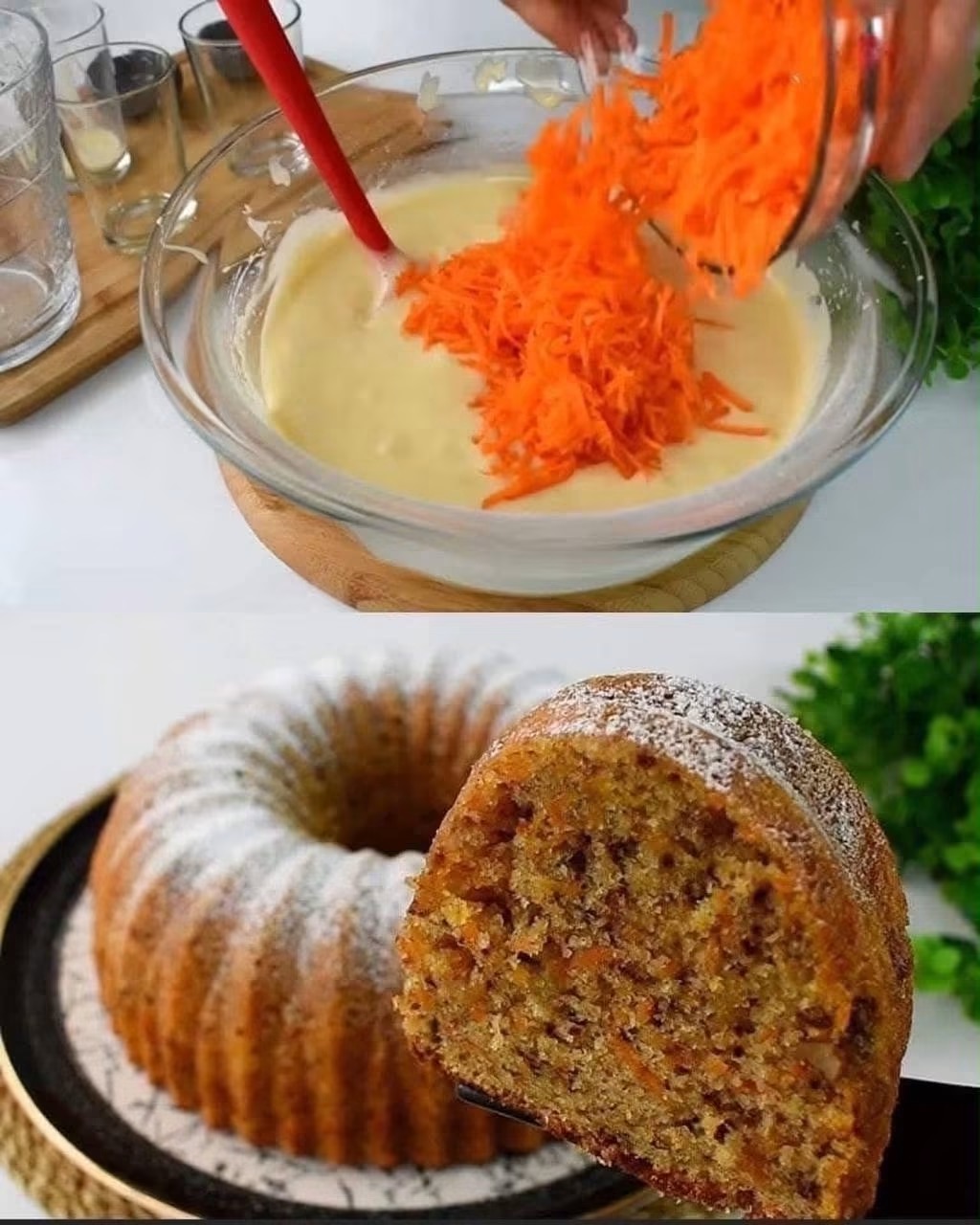
What makes our carrot walnut cake truly special is its incredible moistness, a hallmark of a well-made carrot cake. We’re talking about a tender, crumbly texture that practically melts in your mouth, infused with the warm embrace of cinnamon and nutmeg. Each bite is punctuated by the satisfying crunch of toasted walnuts and the subtle sweetness of freshly grated carrots, creating a symphony of flavors and textures that will leave you craving another slice. This recipe is designed to be straightforward yet incredibly rewarding, yielding a beautiful bundt cake that’s as impressive to look at as it is delicious to eat.
Whether you’re looking for the perfect dessert to cap off a special meal, a delightful treat for breakfast or brunch, or simply a comforting companion to your afternoon coffee or tea, this carrot walnut cake fits the bill. It’s a testament to the fact that some of the best things in life are simple, classic, and made with love. Get ready to fill your kitchen with the most enticing aromas and create a masterpiece that everyone will adore.
Nutritional Information
Per serving (approximate values, based on 12 servings for a standard cake):
- Calories: 450-550
- Protein: 5-7g
- Carbohydrates: 55-65g
- Fat: 25-35g
- Fiber: 3-5g
- Sodium: 300-400mg
Ingredients
For the Cake:
- 2 cups (250g) all-purpose flour
- 2 teaspoons baking soda
- 1 teaspoon ground cinnamon
- ½ teaspoon ground nutmeg
- ¼ teaspoon ground ginger (optional, but recommended)
- ½ teaspoon salt
- 1 ½ cups (300g) granulated sugar
- ½ cup (100g) packed light brown sugar
- 4 large eggs, at room temperature
- 1 cup (240ml) vegetable oil (or other neutral oil like canola)
- 1 teaspoon vanilla extract
- 3 cups (about 3-4 medium carrots) finely grated carrots
- 1 cup (115g) chopped walnuts, lightly toasted (optional, but enhances flavor)
For the Powdered Sugar Dusting (Optional):
- ¼ cup (30g) powdered sugar
For a Cream Cheese Frosting (Optional, but Classic Pairing):
- 8 ounces (226g) cream cheese, softened
- ½ cup (113g) unsalted butter, softened
- 3-4 cups (360-480g) powdered sugar, sifted
- 1 teaspoon vanilla extract
- Pinch of salt
Instructions
- Prepare Your Pan and Oven: Preheat your oven to 350°F (175°C). Grease and flour a 10-12 cup bundt pan thoroughly, ensuring all crevices are coated. Alternatively, use a baking spray with flour.
- Combine Dry Ingredients: In a large bowl, whisk together the all-purpose flour, baking soda, ground cinnamon, ground nutmeg, ground ginger (if using), and salt. Set aside.
- Combine Wet Ingredients: In a separate, even larger bowl, whisk together the granulated sugar, light brown sugar, eggs, vegetable oil, and vanilla extract until well combined and smooth.
- Combine Wet and Dry: Gradually add the dry ingredients to the wet ingredients, mixing on low speed with an electric mixer or by hand with a whisk or spatula until just combined. Be careful not to overmix; a few streaks of flour are okay.
- Fold in Carrots and Walnuts: Gently fold in the finely grated carrots and chopped walnuts (if using) until evenly distributed throughout the batter.
- Fill the Pan: Pour the batter evenly into the prepared bundt pan. Tap the pan gently on the counter a few times to release any air bubbles.
- Bake the Cake: Bake for 45-60 minutes, or until a wooden skewer or toothpick inserted into the center of the cake comes out clean. Baking time can vary based on your oven and pan.
- Cool in Pan: Once baked, remove the cake from the oven and let it cool in the bundt pan on a wire rack for 10-15 minutes. This crucial step allows the cake to firm up slightly, making it easier to invert.
- Invert and Cool Completely: After 10-15 minutes, carefully invert the cake onto the wire rack. Lift the pan slowly. Allow the cake to cool completely before dusting with powdered sugar or frosting.
- Prepare Optional Frosting (if using): If making cream cheese frosting, beat the softened cream cheese and butter together in a medium bowl with an electric mixer until smooth and creamy. Gradually add the sifted powdered sugar, one cup at a time, mixing until fully incorporated and smooth. Beat in the vanilla extract and a pinch of salt. If the frosting is too thick, add a tiny splash of milk or cream; if too thin, add more powdered sugar.
- Serve: Once the cake is completely cool, dust with powdered sugar using a fine-mesh sieve, or spread generously with cream cheese frosting. Slice and serve!
Cooking Tips and Variations
To ensure your carrot walnut cake is nothing short of perfection, here are some invaluable tips and exciting variations to consider. First and foremost, resist the urge to overmix the batter. Overmixing develops gluten, which can lead to a tough, dense cake. Mix until the ingredients are just combined; a few small lumps or streaks of flour are perfectly acceptable. For the best flavor and moisture, always use freshly grated carrots. Pre-shredded carrots from the store tend to be drier and can lack the vibrant taste that fresh carrots impart. A food processor makes quick work of grating them, but a box grater works just as well. Don’t skip toasting the walnuts! A quick toast in a dry skillet or in the oven for a few minutes brings out their inherent nuttiness and adds an extra layer of flavor and crunch to the cake. It’s a small step that makes a big difference.
Proper bundt pan preparation is key to preventing your beautiful cake from sticking. Grease every crevice thoroughly with butter or shortening, then dust with flour, tapping out the excess. Alternatively, a baking spray specifically designed for baking, which contains flour, works wonders. When baking, avoid opening the oven door too early, especially in the first 30-40 minutes, as this can cause the cake to sink in the middle. Trust your oven and the baking time. To test for doneness, insert a wooden skewer or toothpick into the deepest part of the cake; it should come out clean, or with a few moist crumbs attached, but no wet batter. Allowing the cake to cool in the pan for the recommended 10-15 minutes before inverting is crucial. This cooling period allows the cake to set and firm up, reducing the risk of it breaking when you remove it from the pan. For the smoothest batter, ensure your eggs are at room temperature. They emulsify better with other ingredients, resulting in a more uniform and tender crumb.
Feel free to adjust the spices to your personal preference. Love cinnamon? Add a little more! Prefer a hint of warmth from ginger? Increase that too. You can also add a pinch of ground cloves or allspice for a more complex spice profile. For delightful variations, consider adding ½ cup of golden raisins or chopped dried pineapple to the batter along with the carrots and walnuts for extra bursts of sweetness and chewiness. Shredded coconut is another fantastic addition, offering a tropical twist. If walnuts aren’t your favorite, pecans or even a mix of nuts can be used. For a richer, more decadent cake, you could substitute half of the vegetable oil with melted unsalted butter. Just be sure the melted butter has cooled slightly before adding it to the wet ingredients. This recipe is wonderfully adaptable, so feel free to experiment and make it your own!
Storage and Reheating
Storing your carrot walnut cake properly will ensure it stays fresh and delicious for as long as possible. If unfrosted and dusted with powdered sugar, the cake can be stored at room temperature for up to 3 days. Simply cover it loosely with plastic wrap or place it under a cake dome to prevent it from drying out. For frosted carrot cake, especially with cream cheese frosting, refrigeration is essential due to the dairy in the frosting. Store the frosted cake in an airtight container in the refrigerator for up to 5 days. It’s best to let the cake come to room temperature for about 30-60 minutes before serving, as the flavors and moistness are enhanced when not chilled. The cake can also be frozen, whether frosted or unfrosted. For unfrosted cake, wrap individual slices or the entire cake tightly in plastic wrap, then an additional layer of aluminum foil. It will keep in the freezer for up to 3 months. For frosted cake, freeze uncovered for an hour or two until the frosting is firm, then wrap tightly in plastic wrap and foil. Thaw frozen cake overnight in the refrigerator, then let it come to room temperature before serving.
Frequently Asked Questions
What kind of carrots are best for carrot cake?
For the best flavor and moisture, always use fresh, whole carrots that you grate yourself. Avoid pre-shredded packaged carrots as they tend to be drier and can lack the vibrant flavor that freshly grated carrots contribute to the cake. Medium-sized carrots are usually easiest to work with.
Can I make this cake ahead of time?
Absolutely! Carrot cake is an excellent make-ahead dessert. You can bake the cake a day or two in advance. If unfrosted, store it at room temperature, well-covered. If you plan to frost it, store the unfrosted cake at room temperature and prepare the frosting on the day of serving, or frost the cake and then refrigerate it until ready to serve.
Why did my carrot cake turn out dry?
A few factors can contribute to a dry carrot cake. The most common reasons are overmixing the batter, which develops gluten and makes the cake tough, or overbaking. Ensure you’re measuring your ingredients accurately, especially flour, and test for doneness with a toothpick to avoid baking longer than necessary. Using freshly grated carrots also adds crucial moisture.
Can I substitute butter for oil in this recipe?
While this recipe is developed for oil to ensure maximum moistness, you can substitute half of the vegetable oil with melted and slightly cooled unsalted butter for a richer flavor. However, using all butter might result in a slightly denser and less moist cake compared to one made with oil.