

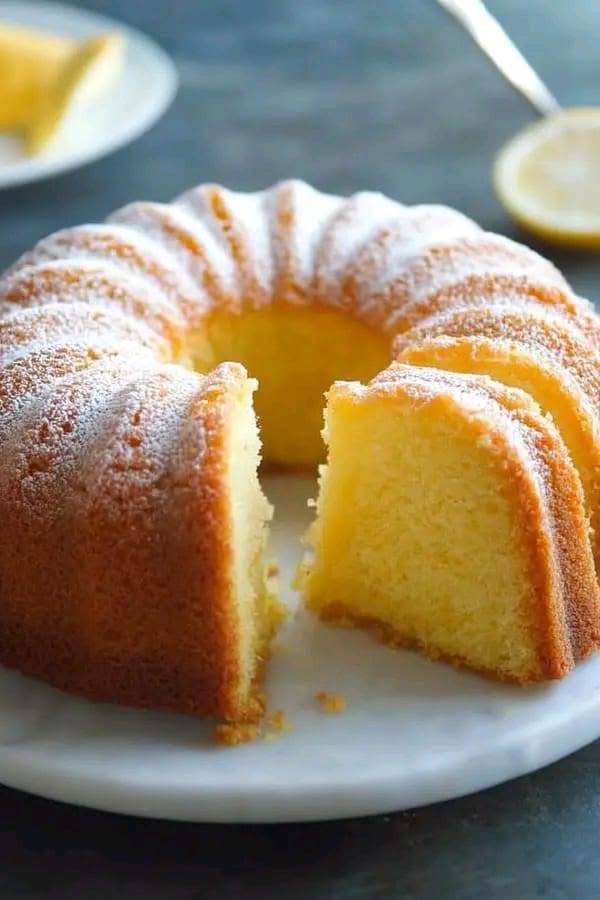
The quest for the perfect homemade soft and fluffy milk bread loaf is a delicious one, and I’ve found several excellent recipes that promise just that—a pillowy-soft, slightly sweet loaf, often inspired by Japanese or Asian bakeries . Some recipes use a technique called “Tangzhong” for extra tenderness, but there are also fantastic versions that skip this step while still delivering that signature texture .
I’ve gathered and compared the top recipes for you. To help you choose the best one for your needs, here is a quick overview of the key differences.
Recipe Style Key Feature Difficulty Total Time Best For
Classic Pain au Lait Traditional French-style milk bread, perfect for breakfast . Intermediate ~3-4 hours A classic, buttery, and versatile loaf.
Easy Milk Bread (No Tangzhong) Skips the Tangzhong but still achieves an Asian-bakery-style softness . Intermediate ~4.5 hours Bakers wanting that specific fluffy texture without an extra step.
5 Magical Soft Loaf A simple, straightforward recipe with consistent results . Easy ~55 min active A reliable, no-fuss recipe for beginners.
Easy Sweet Condensed Milk Bread Uses sweetened condensed milk for extra softness and a subtle sweetness . Easy ~2.5 hours Those who love a richer, slightly sweeter loaf.
🥛 The Best All-Around Milk Bread Loaf
After a thorough review, the recipe from Chef Craft Recipes and its counterpart on All Cooked Up stand out as a top choice for achieving that “magical” soft and fluffy texture at home. It’s a reliable method that focuses on good technique to create a beautiful loaf perfect for toast or sandwiches.
· Why You’ll Love It: This recipe is designed to deliver that specific, sought-after fluffy texture associated with Asian bakeries, all without the extra step of making a Tangzhong . The process is clearly explained, with tips like using cold milk and water to prevent the dough from overheating during kneading .
· Key Techniques for Success:
- The Autolyse Rest: After initially mixing the flour, sugar, yeast, and cold liquids, you let the dough rest for 30 minutes . This allows the flour to absorb the liquid and begins gluten development naturally, which reduces kneading time later.
- The Windowpane Test: After kneading in the salt and butter, you continue until the dough is smooth, elastic, and passes the “windowpane test”—meaning you can stretch a small piece of dough thin enough to see light through without it tearing . This is the sign of perfectly developed gluten for that fluffy crumb.
- Cold Liquids: Using cold milk and water is intentional. It helps keep the dough temperature down during the long kneading process, which is crucial for a good final texture .
🥣 The Recipe: Easy Milk Bread Loaf
This recipe, synthesized from Chef Craft Recipes and All Cooked Up , is a fantastic guide.
📝 Ingredients
For the Dough:
· 500 g bread flour (about 3¾ cups)
· 40 g sugar (about 3 Tbsp)
· 1½ tsp instant yeast
· 225 g cold water (a little less than 1 cup)
· 115 g cold milk (½ cup)
· 9 g sea salt (1½ tsp)
· 25 g unsalted butter, softened slightly (about 1¾ Tbsp)
Also Needed:
· Butter, for greasing the pan and brushing the top
· Flour, for lightly dusting the pan
🔥 Step-by-Step Instructions
- Mix and Autolyse: In the bowl of a stand mixer, combine the bread flour, sugar, instant yeast, cold water, and cold milk. Mix on low speed just until a rough, shaggy dough forms. Cover the bowl and let it rest for 30 minutes . This rest is the autolyse.
- Knead in Salt and Butter: After the rest, add the salt and knead on low speed for 1 minute. Then, gradually add the softened butter in pieces, continuing to knead until the dough is smooth, elastic, and passes the windowpane test (about 7-10 minutes total kneading time) .
- First Rise (Bulk Fermentation): Shape the dough into a ball and place it in a lightly greased bowl, turning to coat. Cover and let it rise in a warm place for about 1 hour, or until doubled in size .
- Divide and Pre-shape: Gently turn the dough out onto a work surface. Divide it into 3 equal pieces. Shape each piece into a smooth ball by gently pulling the edges under. Cover and let them rest for 15 minutes .
- First Roll: Roll one ball into an oval, then roll it up tightly from the short end into a log. Repeat with the other two pieces. Cover and let them rest for another 15 minutes .
- Final Shape: Take one log and roll it out into a long rectangle. Roll it up tightly again. Repeat with the remaining logs .
- Second Rise (Proofing): Grease a 10×5-inch loaf pan and dust with flour . Place the three rolled pieces seam-side down in the pan. Cover and let them proof for 1 to 1.5 hours, until the dough has risen and fills most of the pan .
- Preheat and Bake: About 20 minutes before the second rise is done, preheat your oven to 375°F (190°C) . Bake the loaf for 30–35 minutes. If the top is browning too quickly, tent it loosely with foil after about 15 minutes .
- Finish and Cool: Remove the bread from the oven. Immediately turn the loaf out onto a wire rack. Brush the top generously with melted butter . Let it cool for at least 15 minutes (preferably an hour) before slicing .
💡 Pro-Tips for the Best Milk Bread
· Weigh Your Ingredients: Using a kitchen scale for the flour and liquids is the best way to ensure consistent, perfect results every time .
· Dough Temperature: The reason for using cold milk and water is to prevent the dough from getting too warm during the long kneading process, which can negatively affect the texture .
· Storage: This bread is best enjoyed fresh but can be stored in an airtight container at room temperature for up to 3 days. For longer storage, slice and freeze it. You can toast slices straight from the freezer .
I hope this guide helps you bake an incredible, soft, and fluffy milk bread loaf! Which recipe are you most excited to try first? If you have any questions about the steps, feel free to ask.