

Introduction
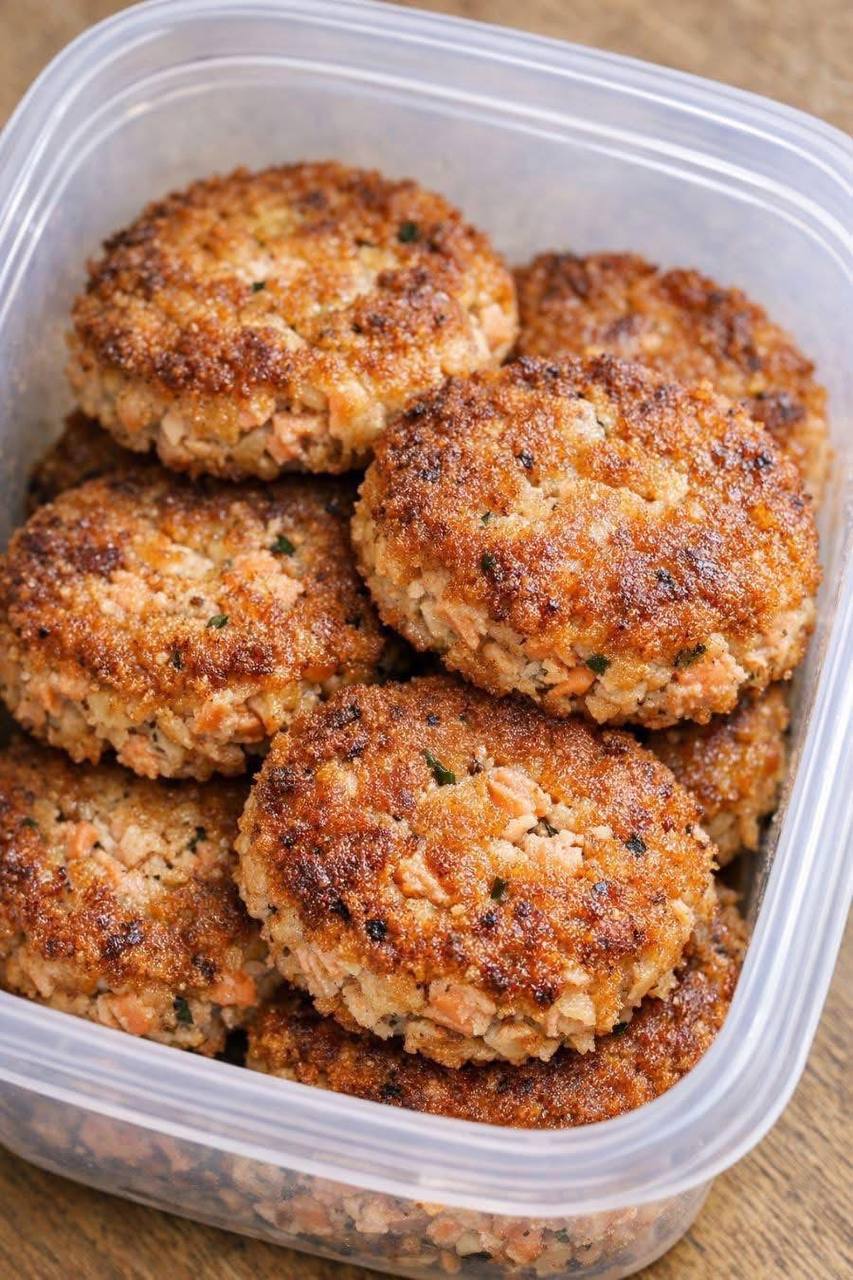
Craving a quick, satisfying, and healthy meal that won’t derail your low-carb goals? Look no further than these incredible 3-Ingredient Salmon Patties! Forget complicated recipes and long ingredient lists; this dish is all about simplicity, speed, and delicious flavor. In just minutes, you can transform a few pantry staples into crispy-on-the-outside, tender-on-the-inside salmon cakes bursting with fresh taste. They’re perfect for a busy weeknight dinner, a light lunch, or even as part of your meal prep strategy.
These salmon patties truly shine in their versatility. Whether you’re following a keto, paleo, or general low-carb diet, they fit seamlessly into your eating plan. The natural richness of salmon, combined with a clever binding agent and a touch of fresh herbs, creates a patty that’s flavorful enough to stand on its own but also pairs beautifully with a variety of sides and sauces. Get ready to add a new favorite to your low-carb recipe repertoire!
What makes these particular salmon patties “special” is their commitment to minimalism without sacrificing taste or texture. We’ve streamlined the recipe to its absolute core, focusing on ingredients that deliver maximum impact. This means less time in the kitchen and more time enjoying a wholesome, homemade meal. Plus, salmon is a powerhouse of nutrition, packed with omega-3 fatty acids and high-quality protein, making these patties not just delicious but incredibly good for you.
Nutritional Information
Per serving (approximate values):
- Calories: 280
- Protein: 25g
- Carbohydrates: 3g
- Fat: 18g
- Fiber: 1g
- Sodium: 450mg
Ingredients
- 2 (6-ounce) cans wild-caught salmon, drained well
- 1/4 cup almond flour
- 2 tablespoons fresh dill, chopped (or 1 teaspoon dried dill)
- 2 tablespoons olive oil or avocado oil, for frying
- Lemon wedges, for serving (optional)
Instructions
- Open the cans of salmon and drain them thoroughly. This is a crucial step to prevent soggy patties. You can press the salmon gently in a fine-mesh sieve or use paper towels to absorb excess moisture.
- Transfer the drained salmon to a medium-sized mixing bowl. Use a fork to flake the salmon, breaking up any large chunks.
- Add the almond flour and chopped fresh dill (or dried dill) to the bowl with the flaked salmon.
- Gently mix all the ingredients together with a fork or your hands until just combined. Be careful not to overmix, as this can make the patties tough. The mixture should be cohesive enough to form into patties.
- Divide the salmon mixture into 4 equal portions. Shape each portion into a firm, round patty, about 1 inch thick. Press them firmly to ensure they hold together during cooking. If the mixture feels too crumbly, you can add a tiny bit more almond flour, but generally, firm pressing should suffice.
- Heat the olive oil or avocado oil in a large non-stick skillet over medium heat. Ensure the oil is hot but not smoking, as this will help create a crispy crust.
- Carefully place the salmon patties into the hot skillet. Do not overcrowd the pan; cook in batches if necessary to ensure even browning.
- Cook the patties for 4-5 minutes per side, or until they are golden brown and crispy on both sides. The internal temperature should be heated through, and the patties should feel firm to the touch.
- Once cooked, remove the salmon patties from the skillet and place them on a plate lined with paper towels to absorb any excess oil.
- Serve immediately with fresh lemon wedges, your favorite low-carb sauce, or alongside a fresh salad.
Cooking Tips and Variations
To ensure your salmon patties come out perfectly every time, a few key tips can make all the difference. First and foremost, thoroughly draining your canned salmon is paramount. Excess moisture is the enemy of crispy patties and can lead to them falling apart in the pan. After draining, you can even press the salmon between layers of paper towels to remove even more liquid. When forming the patties, apply firm but gentle pressure. You want them to be compact enough to hold their shape without being overly dense. Don’t be afraid to really press them together in your hands.
Achieving that coveted crispy exterior depends on two things: a hot pan and sufficient oil. Make sure your skillet is preheated to medium heat before adding the oil, and then let the oil get hot before placing the patties in. This creates an immediate sear that locks in moisture and prevents sticking. Resist the urge to flip the patties too early; let them develop a good crust on the first side before turning. If you try to flip them too soon, they’re more likely to break apart.
While these are fantastic as a 3-ingredient recipe, you can certainly play with variations. For an extra flavor kick without adding significant carbs, consider incorporating a pinch of garlic powder, onion powder, or a dash of smoked paprika into the salmon mixture. If you enjoy a bit of heat, a tiny pinch of cayenne pepper or a few dashes of your favorite hot sauce can be mixed in. For different herb profiles, try fresh chives or parsley instead of dill. If you’re not strictly low-carb, you could experiment with a small amount of finely diced bell pepper or onion for added texture and flavor, just be aware this will slightly increase the carb count.
Another tip for success is to avoid overcrowding the pan. Giving each patty enough space allows them to cook evenly and get beautifully golden brown. If you pack too many into the skillet, the temperature will drop, and the patties will steam rather than fry, resulting in a less crispy texture. Cook in batches if necessary, and keep the cooked patties warm on a plate in a low oven while you finish the rest.
Storage and Reheating
These low-carb salmon patties are excellent for meal prep and can be stored easily. Once completely cooled, place the cooked patties in an airtight container. They will keep well in the refrigerator for up to 3-4 days. For longer storage, you can freeze them. Arrange the cooled patties in a single layer on a baking sheet and freeze until solid. Once frozen, transfer them to a freezer-safe bag or container, separating layers with parchment paper to prevent sticking. They can be frozen for up to 2-3 months.
When it comes to reheating, you have a few options depending on your preference. For the best texture, reheating in an oven or air fryer is recommended. To reheat in the oven, preheat it to 350°F (175°C). Place the patties on a baking sheet and bake for 10-15 minutes, or until heated through and crispy. If using an air fryer, set it to 350°F (175°C) and cook for 5-8 minutes, flipping halfway, until hot and crispy. You can also reheat them gently in a non-stick skillet over medium-low heat for a few minutes per side, though they may not get quite as crispy as with oven or air fryer reheating. Avoid reheating in the microwave, as this can make them soft and rubbery.
Frequently Asked Questions
Can I use fresh salmon instead of canned?
Yes, you can definitely use fresh cooked salmon. You’ll need about 12 ounces of cooked salmon. Simply bake or pan-fry your salmon, then flake it with a fork and proceed with the recipe as directed. Ensure it’s cooled before mixing to prevent the patties from becoming too wet.
What can I use instead of almond flour?
If you have a nut allergy or prefer an alternative, coconut flour can be used, but you’ll need significantly less. Start with 1 tablespoon of coconut flour, as it’s much more absorbent, and add more if needed until the mixture holds together. Another low-carb option is a finely ground pork rind “flour,” which will also add a savory flavor.
Are these salmon patties gluten-free?
Yes, as written with almond flour, these salmon patties are naturally gluten-free. Always double-check the labels of your canned salmon and any other ingredients to ensure they are certified gluten-free if you have a severe allergy or sensitivity.
What are some good low-carb serving suggestions?
These patties are incredibly versatile! Serve them over a bed of mixed greens with a lemon-tahini dressing, alongside steamed green beans or asparagus, or with a side of cauliflower rice. They are also delicious with a dollop of homemade low-carb tartar sauce, a squeeze of fresh lemon juice, or a light avocado crema.