

Introduction
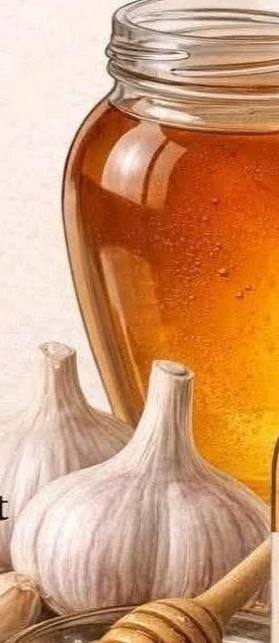
In the bustling world of culinary innovation and natural wellness, some combinations stand out for their simplicity, versatility, and potent benefits. Today, we’re diving deep into one such star: Garlic Honey and Vinegar. This seemingly humble trio, when brought together, creates a powerhouse concoction that can elevate your cooking, soothe your ailments, and add a unique zing to your pantry. Far from a passing fad, the marriage of garlic’s pungent warmth, honey’s sweet embrace, and vinegar’s bright acidity has been cherished across cultures for centuries, evolving from ancient remedies to a modern kitchen staple.
What makes Garlic Honey and Vinegar so special? It’s a symphony of flavors and functions. Imagine the robust, aromatic punch of garlic mellowed and transformed by the golden sweetness of honey, then brightened and preserved by the tangy kick of vinegar. This isn’t just about taste; it’s about synergy. Each ingredient brings its unique profile and benefits to the table, creating a compound that is greater than the sum of its parts. Whether you’re looking for a flavorful marinade, a health-boosting tonic, or a unique condiment, this preparation offers an exciting journey for your palate and your well-being.
The beauty of crafting your own Garlic Honey and Vinegar lies in its ease of preparation and the control it offers. With just a few readily available ingredients and a little patience, you can create a bespoke blend tailored to your taste and needs. It’s a testament to the power of natural ingredients and a rewarding project for anyone who loves to experiment in the kitchen or seeks natural alternatives for everyday wellness. Get ready to unlock the secrets of this incredible trio and discover why it deserves a permanent spot in your culinary repertoire!
Nutritional Information
Per serving (approximate values):
- Calories: 75
- Protein: 0.5g
- Carbohydrates: 19g
- Fat: 0g
- Fiber: 0.1g
- Sodium: 2mg
Ingredients
- 1 cup (240ml) raw, unfiltered honey
- 1/2 cup (120ml) unfiltered apple cider vinegar (with the mother)
- 10-12 medium-sized garlic cloves, peeled
- Optional: 1-2 sprigs fresh rosemary or thyme
- Optional: 1/2 teaspoon red pepper flakes for a spicy kick
Instructions
- Begin by peeling all the garlic cloves. For easier peeling, you can lightly smash each clove with the flat side of a knife.
- Once peeled, you have a few options for preparing the garlic. For a milder flavor and easier straining later, you can leave the cloves whole. For a stronger, more immediate garlic infusion, lightly bruise or thinly slice each clove. Avoid mincing, as it can make the mixture cloudy and harder to strain.
- Sterilize a clean glass jar with a tight-fitting lid. A pint-sized (500ml) jar is usually sufficient for this recipe. You can sterilize by washing the jar and lid in hot, soapy water, rinsing thoroughly, and then placing them in an oven preheated to 275°F (135°C) for 10-15 minutes, or by running them through a dishwasher on a hot cycle. Allow to cool completely.
- Carefully place the prepared garlic cloves into the sterilized glass jar. If using optional herbs like rosemary or thyme, add them to the jar now. For red pepper flakes, sprinkle them in with the garlic.
- Pour the raw honey over the garlic cloves in the jar. Ensure that all the garlic cloves are completely submerged in the honey. If they aren’t, gently press them down with a clean spoon.
- Next, pour the apple cider vinegar into the jar with the honey and garlic. Stir gently with a clean, non-metallic spoon to combine the honey and vinegar as much as possible. It’s okay if they don’t fully emulsify immediately; they will meld over time.
- Seal the jar tightly with its lid.
- Store the jar in a cool, dark place, away from direct sunlight. A pantry or cupboard is ideal.
- For the best infusion, allow the mixture to sit for at least 1-2 weeks, or even longer for a more potent flavor. During this time, shake the jar gently once a day for the first few days to help mix the ingredients and prevent the garlic from settling too much.
- After the desired infusion period, you can either leave the garlic cloves in the mixture or strain them out. If you prefer a smooth liquid, strain the mixture through a fine-mesh sieve into another clean, sterilized jar, pressing on the solids to extract all the liquid. Discard the solids (or use the garlic cloves in cooking if you wish).
- Your homemade Garlic Honey and Vinegar is now ready to use!
Cooking Tips and Variations
To achieve the best results with your Garlic Honey and Vinegar, start with high-quality ingredients. For the honey, prioritize raw, unfiltered varieties, as they retain more of their natural enzymes, antioxidants, and beneficial compounds. Local honey is often an excellent choice. Similarly, opt for unfiltered apple cider vinegar “with the mother,” which indicates the presence of beneficial bacteria and enzymes. For the garlic, fresh, organic cloves will impart the most vibrant flavor and potential health benefits. When preparing the garlic, remember that lightly bruising or slicing the cloves will release more of their compounds into the honey and vinegar than leaving them whole, without the risk of making the mixture cloudy that mincing might bring.
Experimentation is key to personalizing this versatile concoction. For a spicy kick, add a pinch of red pepper flakes or a thin slice of a fresh chili pepper to the jar. Herbal infusions can also elevate the flavor profile; a sprig of fresh rosemary or thyme can add an earthy, aromatic note, while a bay leaf introduces a subtle, savory depth. Consider a different type of vinegar for a unique twist: white wine vinegar for a crisper finish, or balsamic vinegar for a richer, sweeter profile, though these will alter the traditional flavor significantly. For a more intense garlic flavor, allow the mixture to infuse for a longer period, up to a month or even two, shaking the jar periodically to ensure even distribution of flavors. If you notice the honey crystallizing, a common natural occurrence, gently warm the jar in a bowl of warm water (not hot) to liquefy it again, ensuring not to overheat, which can diminish the beneficial properties of the honey and vinegar.
Regarding fermentation, while this recipe isn’t designed as a traditional ferment, some natural fermentation can occur, especially if raw honey and unfiltered apple cider vinegar are used, and the mixture is left at room temperature. This can lead to small bubbles forming and a slight pressure build-up in the jar. If you notice significant bubbling, it’s a good idea to “burp” the jar occasionally by unscrewing the lid briefly to release any built-up gas, then re-sealing it. This is generally a sign that beneficial microbes are at work. However, if you observe any signs of mold, off-smells, or unusual discoloration, it’s best to discard the batch to ensure safety. Always use clean, sterilized jars to minimize the risk of unwanted microbial growth.
This Garlic Honey and Vinegar is incredibly versatile in the kitchen. Use it as a vibrant salad dressing base, whisked with a little olive oil. It makes an exceptional marinade for chicken, pork, or fish, imparting both sweetness and tang with a hint of garlic. Drizzle it over roasted vegetables like carrots, Brussels sprouts, or sweet potatoes for a caramelized glaze. It can also be brushed onto grilled meats or added to stir-fries for a flavorful finish. For a quick and easy sauce, reduce it slightly in a saucepan until it thickens. Beyond culinary uses, many people turn to Garlic Honey and Vinegar as a natural remedy. A spoonful mixed with warm water can be a soothing elixir for a sore throat or cough, leveraging the traditional properties of all three ingredients. Always remember that while these ingredients have traditional uses, it’s wise to consult a healthcare professional for any specific health concerns, especially if you have allergies to garlic, honey, or vinegar, or are on medications.
Storage and Reheating
Proper storage is crucial to maintain the quality and longevity of your homemade Garlic Honey and Vinegar. Once prepared, store the sealed jar in a cool, dark place, such as a pantry or cupboard, away from direct sunlight and heat. The ideal temperature range is typically between 60-70°F (15-21°C). While refrigeration is not strictly necessary due to the preservative qualities of honey and vinegar, it can help slow down any potential fermentation and maintain a consistent flavor profile, especially in warmer climates. If refrigerated, the honey may crystallize more quickly, but this does not affect its quality and can be remedied by gently warming the jar. Stored correctly, your Garlic Honey and Vinegar can last for several months, and often even longer, with the flavors deepening over time.
Reheating is generally not applicable for Garlic Honey and Vinegar as it is typically used as a condiment, dressing, or marinade. It’s designed to be used at room temperature or slightly warmed as part of a larger dish. If you’ve refrigerated your mixture and find it too thick or crystalized, you can gently warm the jar in a bowl of warm (not hot) water for a few minutes until it liquefies and becomes easier to pour or spoon. Avoid microwaving or heating directly over a flame, as excessive heat can degrade the beneficial enzymes and compounds present in raw honey and unfiltered apple cider vinegar, and can also alter the delicate flavor balance. Always ensure any utensils used to extract the mixture are clean and dry to prevent contamination, which can shorten its shelf life.
Frequently Asked Questions
Can I use any type of honey or vinegar?
While you can technically use any honey or vinegar, for the best flavor and potential health benefits, it’s highly recommended to use raw, unfiltered honey and unfiltered apple cider vinegar “with the mother.” Raw honey retains more of its natural enzymes and antioxidants, and apple cider vinegar with the mother contains beneficial bacteria. Pasteurized honey and distilled vinegars will still work but may result in a less potent and flavorful concoction.
What if my garlic honey and vinegar starts bubbling?
If your mixture starts bubbling, especially if you’re using raw honey and unfiltered apple cider vinegar, it’s a sign that some natural fermentation is occurring. This is generally normal and indicates that beneficial microbes are active. You can “burp” the jar by unscrewing the lid briefly to release any built-up gas, then re-seal it. However, if you notice any off-smells, mold, or unusual discoloration, it’s best to discard the batch to be safe.
How long does it take for the flavors to infuse?
The flavors will start to infuse within a few days, but for the best and most potent flavor, it’s recommended to let the mixture sit for at least 1-2 weeks. For an even deeper and more complex flavor, you can let it infuse for a month or longer. The longer it sits, the more pronounced the garlic and vinegar notes will become within the honey.
Can I eat the garlic cloves after they’ve been infused?
Yes, the infused garlic cloves are edible and delicious! They will have a softer texture and a milder, sweeter garlic flavor, having absorbed the honey and vinegar. You can chop them and add them to salad dressings, marinades, or even spread them on toast. If you prefer a smooth liquid, you can strain them out, but don’t discard them; they’re a tasty bonus!