

Introduction
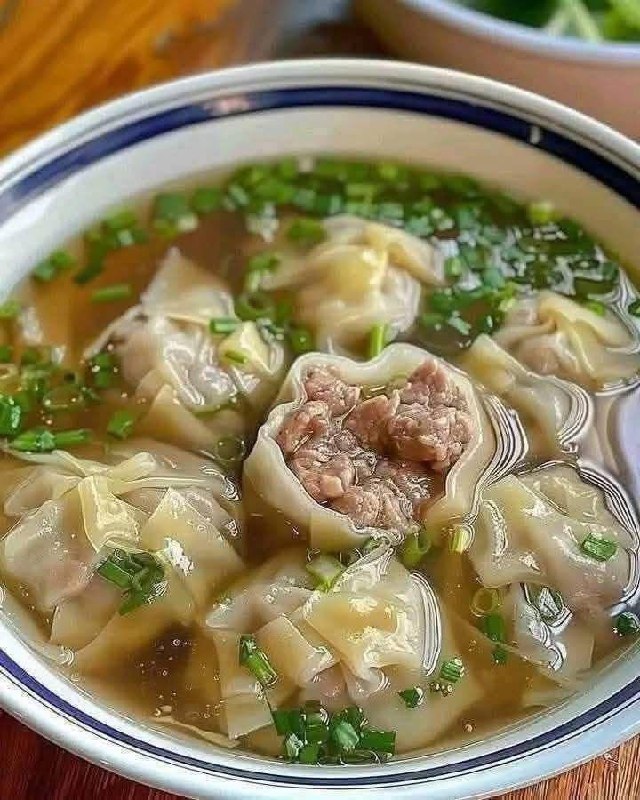
Craving a warm and comforting bowl of Wonton Soup? This recipe delivers authentic flavors without the fuss, bringing the beloved taste of a classic Chinese dish right to your kitchen. Wonton soup is more than just a meal; it’s a hug in a bowl, a staple in Chinese cuisine renowned for its delicate dumplings swimming in a savory, clear broth. Its widespread popularity stems from its comforting nature, versatility, and the satisfying texture of perfectly cooked wontons.
This recipe is designed to be accessible for home cooks, offering a straightforward approach to creating a dish that tastes like it came from your favorite Asian restaurant. We’ll guide you through making flavorful pork-filled wontons from scratch and simmering a light yet deeply satisfying broth. Whether you’re looking for a cozy weeknight dinner or a crowd-pleasing appetizer, this homemade Wonton Soup is sure to become a cherished recipe in your culinary repertoire.
What makes this particular recipe special is its balance of traditional flavors with practical tips for ease of preparation. We focus on achieving that authentic taste profile with readily available ingredients, ensuring that even if you’re new to making dumplings, you’ll achieve delicious results. Get ready to impress your taste buds and those of your loved ones with this truly delightful and deeply satisfying Wonton Soup.
Nutritional Information
Per serving (approximate values):
- Calories: 280
- Protein: 20g
- Carbohydrates: 25g
- Fat: 12g
- Fiber: 2g
- Sodium: 950mg
Ingredients
- 1 pound ground pork (at least 80% lean)
- 1 tablespoon soy sauce
- 1 teaspoon grated fresh ginger
- 1 clove garlic, minced
- 1 teaspoon sesame oil (optional, for filling)
- 2 tablespoons finely chopped green onions (for filling)
- 1/4 teaspoon white pepper
- 1 package (about 50-60) square wonton wrappers
- 1 large egg, beaten (for sealing wrappers)
- 8 cups low-sodium chicken broth
- 2 tablespoons soy sauce (for broth)
- 1 teaspoon grated fresh ginger (for broth, optional)
- 2 cloves garlic, minced (for broth, optional)
- 1/4 teaspoon white pepper (for broth)
- 1/4 cup chopped green onions (for garnish)
- Optional: Chili oil, extra sesame oil for serving
- Optional: 1 cup bok choy, chopped
- Optional: 1 cup sliced mushrooms
- Optional: 4 ounces egg noodles
Instructions
- Prepare the Wonton Filling: In a medium bowl, combine the ground pork, 1 tablespoon soy sauce, 1 teaspoon grated fresh ginger, 1 minced garlic clove, 1 teaspoon sesame oil (if using), 2 tablespoons finely chopped green onions, and 1/4 teaspoon white pepper. Mix thoroughly until all ingredients are well combined. It’s best to mix by hand to ensure everything is evenly distributed.
- Assemble the Wontons: Lay a wonton wrapper flat on a clean, dry surface. Place about 1 teaspoon of the pork filling in the center of the wrapper. Dip your finger in the beaten egg and moisten all four edges of the wrapper.
- Fold the wrapper diagonally in half to form a triangle, pressing firmly to seal the edges and remove any air pockets around the filling.
- Take the two bottom corners of the triangle and bring them together, overlapping slightly. Dab a tiny bit of egg wash on one corner and press the other corner onto it, sealing them to create a “nurse’s cap” or boat shape. Alternatively, for a simpler fold, just seal the triangle and leave it as is. Ensure all edges are tightly sealed to prevent the filling from escaping during cooking.
- Place the assembled wontons on a parchment-lined baking sheet, making sure they don’t touch each other to prevent sticking. Repeat with the remaining filling and wrappers.
- Prepare the Broth: In a large pot or Dutch oven, combine the chicken broth, 2 tablespoons soy sauce, 1 teaspoon grated fresh ginger (if using), 2 minced garlic cloves (if using), and 1/4 teaspoon white pepper. Bring the broth to a gentle simmer over medium heat. Let it simmer for at least 10-15 minutes to allow the flavors to meld.
- Cook the Wontons: While the broth is simmering, bring a separate large pot of lightly salted water to a rolling boil. Carefully add the wontons to the boiling water in batches, being careful not to overcrowd the pot. Cook for 3-5 minutes, or until the wontons float to the surface and the filling is cooked through. The wrappers should appear translucent around the edges.
- Using a slotted spoon, transfer the cooked wontons directly into the simmering broth. (If adding bok choy or mushrooms, add them to the broth now and cook for 2-3 minutes until tender-crisp.)
- Optional: Add Noodles: If you are adding egg noodles, cook them separately according to package directions in the boiling water after the wontons, or in a separate pot. Drain and add to individual serving bowls.
- Assemble and Serve: Ladle the hot broth with wontons (and any added vegetables) into individual serving bowls. Garnish generously with fresh chopped green onions. Serve immediately, with optional chili oil or extra sesame oil for those who desire more flavor or heat.
Cooking Tips and Variations
For the best wonton soup experience, pay attention to the details. When preparing the wonton filling, don’t be afraid to get your hands dirty; mixing by hand ensures all ingredients are evenly distributed and the pork is well-seasoned. This helps in developing a rich flavor in every bite. To prevent soggy wontons, make sure not to overcook them in the boiling water; they should be tender but still have a slight bite. Immediately transferring them to the hot broth after cooking helps maintain their texture and prevents them from sticking together.
If you’re making a large batch of wontons, you can easily make them ahead of time. Uncooked wontons can be frozen on a parchment-lined baking sheet until solid, then transferred to a freezer-safe bag. Cook them directly from frozen in boiling water, adding a few extra minutes to the cooking time. This is a fantastic time-saver for busy weeknights.
The broth is the soul of wonton soup, so don’t hesitate to adjust its flavor to your liking. Taste the simmering broth before serving and add more soy sauce for saltiness, or a pinch more white pepper for a subtle kick. A dash of fish sauce can also add another layer of savory depth. For an even richer broth, you can simmer chicken bones or aromatics like star anise and dried shiitake mushrooms for a longer period.
For variations, consider changing the filling. Shrimp wontons are incredibly popular; simply swap the pork for finely chopped raw shrimp. A mixture of pork and shrimp creates a delightful surf-and-turf experience. For a vegetarian option, use finely minced firm tofu, shiitake mushrooms, and cabbage as the filling. You can also add more vegetables to the broth, such as spinach, napa cabbage, or water chestnuts, for added texture and nutrients. Serving with a drizzle of chili oil or a few drops of toasted sesame oil at the table allows guests to customize their bowl to their preferred spice level and aroma.
Storage and Reheating
Proper storage is key to enjoying your homemade Wonton Soup for several days. If you have leftover soup, it’s best to store the cooked wontons and the broth separately. This prevents the wontons from becoming overly soft and disintegrating in the broth. Allow both the wontons and the broth to cool completely to room temperature before storing. Transfer the cooled wontons to an airtight container and store them in the refrigerator for up to 3 days. Store the cooled broth in a separate airtight container in the refrigerator for up to 3-4 days.
To reheat, gently warm the broth in a saucepan over medium heat until it’s simmering. While the broth is heating, you can reheat the wontons in a couple of ways. You can add them directly to the simmering broth and cook for 2-3 minutes until they are heated through. Alternatively, for a slightly firmer texture, you can steam the wontons in a steamer basket for about 5 minutes, then add them to the hot broth just before serving. Avoid microwaving the wontons in the broth, as this can make them rubbery. If you froze uncooked wontons, cook them directly from frozen in boiling water, then add to freshly simmered broth.
Frequently Asked Questions
Can I make wontons ahead of time and freeze them?
Yes, absolutely! This is a fantastic way to meal prep. To freeze uncooked wontons, arrange them in a single layer on a parchment-lined baking sheet and freeze until solid, usually about 1-2 hours. Once frozen, transfer them to a freezer-safe airtight bag or container. They can be stored in the freezer for up to 2-3 months. When you’re ready to cook, simply drop the frozen wontons directly into boiling water or simmering broth, adding a few extra minutes to the cooking time compared to fresh wontons.
What if I can’t find wonton wrappers? Can I use something else?
Wonton wrappers are distinct and provide the classic texture for wonton soup. While you might be able to find them in the refrigerated section of most Asian grocery stores or even larger supermarkets, if they are truly unavailable, you might consider making your own dough (though this is more time-consuming) or using gyoza/potsticker wrappers as a last resort. However, gyoza wrappers are typically thicker and round, which will alter the traditional look and feel of wonton soup. For the best result, it’s worth seeking out authentic wonton wrappers.
How can I make my wonton soup broth more flavorful?
There are several ways to deepen the flavor of your broth. Starting with a high-quality, low-sodium chicken broth is essential. You can enhance it by simmering it with additional aromatics like sliced fresh ginger, smashed garlic cloves, green onion whites, and even a few dried shiitake mushrooms for umami. A dash of fish sauce, a splash of rice wine vinegar, or a pinch of sugar can also balance and elevate the flavors. Simmering the broth for a longer period (30-60 minutes) allows these flavors to fully meld. Always taste and adjust seasonings like soy sauce and white pepper before serving.