

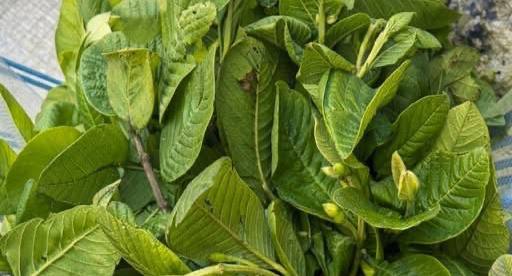
Introduction
In a world increasingly conscious of health and wellness, natural remedies are gaining renewed attention for their potential to support various bodily functions. Among these, guava leaf tea stands out as a traditional powerhouse, particularly for those looking to manage blood sugar levels. This humble brew, derived from the leaves of the common guava tree (Psidium guajava), has been a staple in folk medicine across many cultures for centuries, revered not just for its pleasant, slightly earthy flavor but more so for its reputed medicinal properties. As modern science begins to catch up with ancient wisdom, research is shedding light on why this simple morning drink might be a valuable addition to a health-conscious routine, especially for individuals navigating the challenges of high blood sugar.
High blood sugar, or hyperglycemia, is a condition where there is an excessive amount of glucose circulating in the blood plasma. If left unmanaged, it can lead to serious health complications, including heart disease, kidney damage, nerve damage, and vision problems. While medical treatments and lifestyle changes, such as diet and exercise, are paramount in managing this condition, many are seeking complementary approaches to support their well-being. This is where guava leaf tea enters the conversation. Its growing popularity stems from anecdotal evidence and preliminary studies suggesting its efficacy in helping to regulate glucose absorption and improve insulin sensitivity, making it an intriguing option for a daily morning ritual.
This article will delve into the fascinating world of guava leaf tea, exploring its potential benefits, providing a simple yet effective recipe for brewing your own, and offering practical tips for incorporating it into your daily routine. It’s important to remember that while natural remedies can be incredibly supportive, they should never replace professional medical advice or prescribed medications. Always consult with a healthcare professional before making significant changes to your diet or treatment plan, especially when dealing with conditions like high blood sugar. However, for those seeking a natural, accessible, and potentially beneficial addition to their morning, guava leaf tea offers a compelling and delicious option.
Nutritional Information
Per serving (approximate values for 1 cup of brewed tea):
- Calories: 2 kcal
- Protein: 0.1g
- Carbohydrates: 0.4g
- Fat: 0.0g
- Fiber: 0.1g
- Sodium: 1mg
Ingredients
- 10-15 fresh guava leaves (or 1 tablespoon dried guava leaves)
- 2 cups (480ml) filtered water
- Optional: 1 teaspoon raw honey or stevia (for sweetness, if desired)
- Optional: 1 slice of lemon (for added flavor)
Instructions
- Prepare the Guava Leaves: If using fresh guava leaves, thoroughly wash them under cold running water to remove any dirt, dust, or pesticides. Pat them dry gently with a clean cloth or paper towel. If using dried leaves, no washing is necessary.
- Boil the Water: Pour 2 cups of filtered water into a small saucepan. Bring the water to a rolling boil over medium-high heat.
- Add Guava Leaves: Once the water is boiling, reduce the heat to low. Carefully add the washed fresh guava leaves (or dried leaves) to the simmering water.
- Simmer: Allow the leaves to simmer gently in the hot water for 10-15 minutes. This simmering time is crucial for extracting the beneficial compounds from the leaves. For a stronger tea, you can simmer for a bit longer, up to 20 minutes, but be mindful that prolonged boiling might lead to a slightly more bitter taste.
- Steep (Optional, but Recommended): After simmering, remove the saucepan from the heat. Cover the saucepan with a lid and let the tea steep for another 5-10 minutes. This additional steeping allows the flavors and compounds to further infuse into the water as it cools slightly.
- Strain the Tea: Place a fine-mesh strainer over your serving cup or a heat-resistant pitcher. Carefully pour the guava leaf tea through the strainer, discarding the leaves. This will ensure a smooth, leaf-free tea.
- Serve and Enjoy: Your guava leaf tea is now ready to drink. It can be enjoyed warm or allowed to cool and then served chilled.
- Optional Flavor Enhancements: If desired, stir in a teaspoon of raw honey or a pinch of stevia for a touch of sweetness. A squeeze of fresh lemon juice or a lemon slice can also add a refreshing zest and complement the tea’s natural flavor.
Cooking Tips and Variations
To achieve the best possible guava leaf tea, consider these tips and variations. For optimal flavor and potency, always use fresh, vibrant guava leaves if they are accessible. When selecting fresh leaves, look for those that are green, without blemishes or signs of wilting. If fresh leaves are not available, high-quality dried guava leaves can be a good substitute, though you might need to adjust the quantity slightly for desired strength. For dried leaves, typically 1 tablespoon per 2 cups of water is a good starting point, but feel free to experiment.
The water quality significantly impacts the taste of your tea. Using filtered water will prevent any off-flavors from chlorine or other impurities found in tap water. The temperature of the water is also key; bringing it to a full boil before adding the leaves ensures proper extraction. However, after adding the leaves, reducing the heat to a gentle simmer, rather than a rolling boil, helps to preserve the delicate compounds and prevents the tea from becoming overly bitter. A simmering time of 10-15 minutes is generally recommended for a balanced flavor and effective extraction of beneficial properties.
Experimentation with steeping time is encouraged to find your preferred strength. A longer steeping time will result in a more potent and potentially more bitter tea, while a shorter time will yield a milder flavor. After simmering, covering the pot and allowing an additional 5-10 minutes of steeping off the heat can further enhance the infusion without over-extracting. If you find the tea too strong or bitter, you can dilute it with a little more hot water or add a natural sweetener.
For variations, consider combining guava leaves with other complementary herbs. For instance, a few mint leaves added during the simmering stage can provide a refreshing twist, or a small piece of ginger can add a warming, spicy note, which also has its own set of health benefits. Hibiscus flowers can be added for a tart, floral flavor and a beautiful red hue. For those who enjoy a hint of citrus, a strip of orange or lemon peel can be simmered along with the leaves. Remember to introduce new ingredients gradually to assess their flavor contribution and ensure they complement the guava leaf base.
Sourcing your guava leaves responsibly is also important. If you have access to a guava tree, harvesting your own fresh leaves is ideal. Choose mature, healthy leaves from pesticide-free trees. If purchasing, look for organic or wild-harvested options from reputable suppliers. When using fresh leaves, ensure they are thoroughly washed before use. For dried leaves, store them in an airtight container in a cool, dark place to maintain their freshness and potency for longer periods.
Finally, while guava leaf tea is generally considered safe, it’s always wise to start with a smaller amount and gradually increase to the recommended dosage to see how your body reacts. Pay attention to your body’s signals and adjust accordingly. This personalized approach will help you to enjoy the full benefits of this remarkable herbal tea while ensuring it aligns with your individual health needs and preferences.
Storage and Reheating
Proper storage of your guava leaf tea ensures that you can enjoy its benefits for longer without compromising its quality or flavor. Once brewed, guava leaf tea is best consumed fresh, ideally within 24 hours for optimal taste and potency. However, if you have prepared a larger batch, it can be stored in the refrigerator for up to 2-3 days.
To store, allow the brewed tea to cool completely to room temperature. This is crucial to prevent condensation inside the container, which can lead to bacterial growth. Once cooled, pour the tea into an airtight glass jar or container. Glass is preferred over plastic as it doesn’t absorb flavors or potentially leach chemicals into the tea. Seal the container tightly and place it in the refrigerator. Storing it in an airtight container also helps to protect the tea from absorbing other food odors from your fridge.
When it comes to reheating, you have a few options. If you prefer to drink your guava leaf tea warm, you can gently reheat it on the stovetop over low heat. Avoid bringing it to a rolling boil again, as this can diminish some of its delicate flavors and beneficial compounds. Just warm it until it reaches your desired drinking temperature. Alternatively, you can reheat individual servings in the microwave. Pour a serving into a microwave-safe mug and heat in short bursts (e.g., 30-60 seconds) until warm, stirring occasionally to ensure even heating. Be careful not to overheat it.
Guava leaf tea can also be enjoyed cold, especially during warmer weather. Simply pour a chilled serving over ice. Some people find that the flavors of herbal teas can deepen slightly when chilled, offering a different but equally enjoyable experience. If you find the tea has become a bit too concentrated after refrigeration, you can dilute it with a small amount of fresh hot or cold water when serving. Always check the tea for any unusual smells or signs of spoilage before consuming, especially after a few days of storage. Discard any tea that appears cloudy, has an off-smell, or tastes sour.
Frequently Asked Questions
How often should I drink guava leaf tea for blood sugar management?
While guava leaf tea shows promise for blood sugar management, there is no universally established dosage or frequency. Many traditional practices suggest drinking 1-2 cups per day, often in the morning or before meals. It’s crucial to start with a smaller amount to assess your body’s reaction and always consult with your healthcare provider, especially if you are on medication for diabetes, to determine the appropriate frequency and ensure it complements your existing treatment plan.
Are there any side effects or contraindications to drinking guava leaf tea?
Guava leaf tea is generally considered safe for most people when consumed in moderation. However, some individuals might experience mild digestive upset, such as constipation, if consumed in very large quantities. Pregnant or breastfeeding women, individuals with low blood pressure, or those taking medications (especially for diabetes or blood thinning) should exercise caution and consult their doctor before incorporating guava leaf tea into their routine, as it may interact with certain medications or conditions.
Can guava leaf tea cure diabetes?
No, guava leaf tea is not a cure for diabetes. While it may help in managing blood sugar levels as a complementary therapy, it should not be considered a substitute for prescribed medication, a healthy diet, regular exercise, or professional medical advice for diabetes management. It can be a supportive addition to a comprehensive health plan, but ongoing medical supervision is essential for individuals with diabetes.
Where can I find fresh or dried guava leaves?
Fresh guava leaves can often be found in Asian or Latin American grocery stores, specialty health food stores, or farmers’ markets in regions where guava trees grow. If you have access to a guava tree, you can harvest your own. Dried guava leaves are widely available online through various herbal tea retailers or health food websites, and sometimes in the herbal or tea section of larger supermarkets. Ensure you source from reputable suppliers to guarantee quality and purity.