

Introduction
Garlic, a humble bulb with a potent punch, has been revered for centuries not just as a culinary staple but as a powerful natural remedy. Its pungent aroma and distinctive flavor have graced kitchens worldwide, but its reputation as a “natural antibiotic” truly sets it apart. From ancient Egyptian scrolls to traditional Chinese medicine, garlic’s medicinal properties have been documented and celebrated, making it a timeless ingredient in both our food and our health regimens.
At the heart of garlic’s extraordinary health benefits lies allicin, a sulfur-containing compound released when garlic is crushed or chopped. Allicin is the superstar responsible for garlic’s renowned antibacterial, antiviral, and antifungal properties, making it a formidable ally against various infections. Beyond its germ-fighting capabilities, garlic is also a potent immune booster, an anti-inflammatory agent, and has been linked to cardiovascular health improvements. It’s a true superfood, packed with goodness that supports overall well-being.
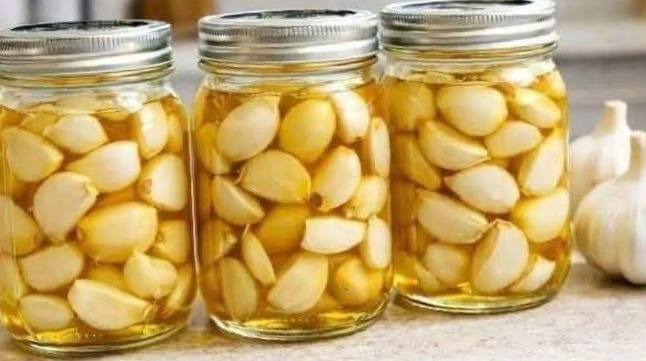
Today, we’re diving into a fantastic way to harness garlic’s power and flavor: preserving garlic cloves in oil. This method not only extends garlic’s shelf life but also creates a versatile culinary ingredient. Imagine having tender, flavorful garlic cloves and aromatic garlic-infused oil at your fingertips, ready to elevate any dish. This recipe for “pickled” garlic in oil is simple to make, incredibly delicious, and ensures you always have this natural antibiotic on hand.
Nutritional Information
Per serving (approximate values, based on 1 preserved clove and 1 tsp oil):
- Calories: 50
- Protein: 0.5g
- Carbohydrates: 2g
- Fat: 4.5g
- Fiber: 0.1g
- Sodium: 1mg
Ingredients
- 2 cups (approximately 20-25 medium-sized heads) fresh garlic, peeled and separated into individual cloves
- 2 cups high-quality extra virgin olive oil (or other neutral oil like grapeseed or avocado oil)
- 1 teaspoon dried rosemary (optional, for flavor)
- 1/2 teaspoon dried thyme (optional, for flavor)
- 1/4 teaspoon red pepper flakes (optional, for a hint of heat)
- Sterilized glass jars with airtight lids (pint or half-pint size recommended)
Instructions
- Prepare the Garlic: Carefully peel all the garlic cloves. Ensure there are no green sprouts, bruised spots, or any signs of mold. Discard any damaged cloves. For easier peeling, you can blanch the garlic in boiling water for 30 seconds, then immediately transfer to an ice bath. The skins should slip off easily.
- Sterilize Jars: Wash your glass jars and lids thoroughly with hot, soapy water. Rinse well. To sterilize, either boil them in water for 10 minutes, run them through a dishwasher on a hot cycle, or heat them in an oven at 275°F (135°C) for 15 minutes. Allow them to cool completely before filling.
- Pack the Jars: Once the garlic cloves are peeled and the jars are sterilized and cooled, carefully pack the garlic cloves into the jars. Do not overpack; leave about 1 inch of headspace from the rim of the jar.
- Add Optional Flavorings: If using, distribute the dried rosemary, thyme, and red pepper flakes evenly among the jars.
- Add the Oil: Slowly pour the olive oil over the garlic cloves, ensuring that all cloves are completely submerged in the oil. It is crucial that no garlic is exposed to air, as this can create an anaerobic environment conducive to botulism. Tap the jars gently on the counter to release any trapped air bubbles. Top off with more oil if necessary to maintain complete coverage.
- Seal and Label: Wipe the rims of the jars clean with a damp cloth. Secure the lids tightly. Label the jars with the date of preparation.
- Refrigerate Immediately: This is a critical step for safety. Immediately place the sealed jars of garlic in oil in the refrigerator. Do not store at room temperature.
- Allow to Infuse: While the garlic can be used immediately, the flavors will meld and deepen over a few days in the refrigerator.
Cooking Tips and Variations
For the best results and to ensure safety, always prioritize cleanliness and proper storage. When peeling garlic, avoid bruising the cloves as this can lead to faster spoilage. Using high-quality extra virgin olive oil will impart the best flavor to your infused oil, but any good quality neutral oil will work. For an extra layer of flavor, consider lightly toasting the herbs in a dry pan before adding them to the jars – this releases their aromatic oils. You can also experiment with other fresh herbs like bay leaves or whole peppercorns. Just be sure to remove fresh herbs after a few days if you’re not consuming the garlic quickly, as they can introduce moisture. Another variation is to lightly roast the garlic cloves before preserving them in oil. This mellows their flavor and adds a delicious sweetness. Simply toss peeled cloves with a tiny bit of olive oil and roast at 350°F (175°C) for 15-20 minutes until lightly golden and tender, then proceed with the recipe. If you prefer a stronger garlic flavor in the oil itself, you can gently heat the oil with some crushed garlic before straining and pouring over the whole cloves. However, this method requires careful temperature control and is best for immediate consumption rather than long-term storage.
Storage and Reheating
Proper storage of garlic in oil is paramount due to the risk of botulism, a serious foodborne illness. Always store your garlic cloves in oil in the refrigerator at 40°F (4°C) or below. Do not store at room temperature. The low-acid, oxygen-free environment created by oil can promote the growth of Clostridium botulinum bacteria if not properly refrigerated. For maximum safety, consume the garlic cloves and oil within 2-3 weeks of preparation. If you notice any signs of spoilage such as mold, off-odors, bubbling, or discoloration, discard the entire contents immediately without tasting. Never reuse the oil from a batch that has gone bad. When using the garlic cloves, simply spoon out what you need, ensuring the remaining cloves stay fully submerged in oil. There’s no specific “reheating” required for these, as they are typically used cold or added to hot dishes during cooking. For instance, if adding to pasta, you can simply toss the cold cloves and oil into the warm pasta. If you’re using the oil for sautéing, it will heat up naturally during the cooking process. Always use clean utensils when removing garlic or oil from the jar to prevent contamination.
Frequently Asked Questions
What is botulism and why is it a concern with garlic in oil?
Botulism is a rare but severe foodborne illness caused by toxins produced by Clostridium botulinum bacteria. These bacteria thrive in low-acid, oxygen-free environments, such as garlic cloves submerged in oil at room temperature. The oil creates an anaerobic (oxygen-free) environment, and garlic itself is a low-acid food. Refrigeration at 40°F (4°C) or below significantly slows or prevents the growth of these bacteria and the production of their toxins, which is why immediate and continuous refrigeration is absolutely critical for safety.
Can I use fresh herbs in my garlic in oil recipe?
It is generally not recommended to use fresh herbs when preserving garlic in oil for extended periods, as fresh herbs can introduce moisture and additional microorganisms, increasing the risk of spoilage and botulism. If you wish to add fresh herbs like rosemary or thyme, it’s best to add them just before serving or to a small portion that will be consumed within a few days. For longer-term storage, dried herbs are a safer option as they contain much less moisture. Always follow recommended safety guidelines for any additions.
How long can I safely store garlic cloves in oil in the refrigerator?
For optimal safety and quality, garlic cloves preserved in oil should be stored in the refrigerator at 40°F (4°C) or below and consumed within 2-3 weeks. Beyond this timeframe, even with refrigeration, the risk of bacterial growth, including C. botulinum, can increase. Always err on the side of caution; if you are unsure about the safety of your garlic in oil, it’s best to discard it.
What are some creative ways to use these preserved garlic cloves and oil?
The culinary possibilities are endless! The tender garlic cloves can be mashed into salad dressings, added whole to roasted vegetables, tossed into pasta dishes, or spread on crusty bread. The infused oil is fantastic for sautéing, drizzling over pizzas, dipping bread, making vinaigrettes, or enhancing marinades for meats and vegetables. You can also use both the cloves and oil in homemade hummus, pestos, or savory spreads. It’s a convenient and flavorful way to add a punch of garlic to almost any savory dish.