

Introduction
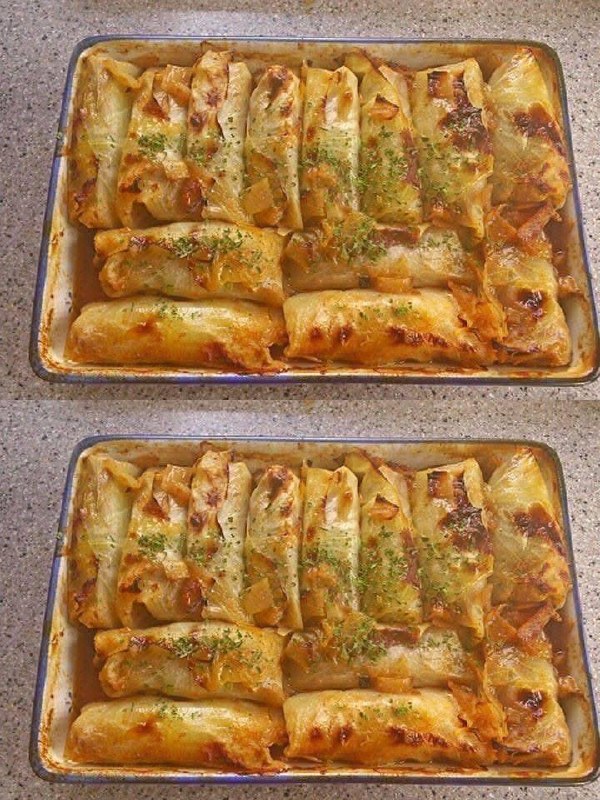
There’s something undeniably comforting about the rich, savory flavors of stuffed cabbage. It’s a dish that evokes warmth, family gatherings, and the kind of hearty satisfaction that only true comfort food can deliver. But let’s be honest, the meticulous process of rolling individual cabbage leaves can be a labor of love that many of us simply don’t have time for on a busy weeknight. Enter the Stuffed Cabbage Casserole, a brilliant culinary shortcut that delivers all the beloved taste and texture of traditional stuffed cabbage rolls without the fuss. This deconstructed version takes the essence of the classic dish – tender cabbage, a savory ground meat and rice filling, and a tangy tomato-based sauce – and layers it into a single, easy-to-manage casserole dish, making it an instant family favorite and a perfect solution for a hearty, satisfying meal.
This casserole isn’t just about convenience; it’s a celebration of flavor and texture. Imagine succulent ground meat, often beef or a blend, perfectly seasoned and mixed with fluffy rice, nestled between layers of sweet, tender cabbage. All of this goodness is then bathed in a robust, slightly sweet, and tangy tomato sauce that permeates every bite, creating a harmonious symphony of tastes. The beauty of the Stuffed Cabbage Casserole lies in its simplicity and versatility. It’s a dish that transcends cultures, with variations appearing in Eastern European, Middle Eastern, and even some American comfort food traditions. Our recipe aims to capture that quintessential, deeply satisfying flavor profile, making it accessible for any home cook looking to bring a taste of tradition to their table without spending hours in the kitchen.
Whether you’re new to the world of stuffed cabbage or a seasoned enthusiast looking for a quicker alternative, this Stuffed Cabbage Casserole is sure to become a cherished addition to your recipe repertoire. It’s a fantastic make-ahead meal, perfect for meal prepping, potlucks, or simply ensuring you have a delicious, wholesome dinner ready to go after a long day. Get ready to experience the beloved flavors of stuffed cabbage in a wonderfully convenient and utterly delicious form. This dish promises to fill your home with an irresistible aroma and your belly with pure comfort, proving that sometimes, deconstructing a classic can make it even more enjoyable.
Nutritional Information
Per serving (approximate values):
- Calories: 485
- Protein: 35g
- Carbohydrates: 40g
- Fat: 22g
- Fiber: 6g
- Sodium: 780mg
Ingredients
- 1 large head green cabbage (about 3-4 pounds)
- 2 tablespoons olive oil, divided
- 1 large yellow onion, finely chopped
- 2 cloves garlic, minced
- 1.5 pounds lean ground beef (or a mix of beef and pork)
- 1 cup uncooked long-grain white rice, rinsed
- 1 (28-ounce) can crushed tomatoes
- 1 (15-ounce) can tomato sauce
- 1/2 cup water or beef broth
- 2 tablespoons brown sugar (or to taste, for balancing acidity)
- 1 tablespoon apple cider vinegar
- 1 teaspoon dried dill
- 1 teaspoon smoked paprika
- 1/2 teaspoon black pepper
- 1.5 teaspoons salt, divided
- 1/4 cup fresh parsley, chopped (for garnish, optional)
Instructions
- Prepare the Cabbage: Remove any tough outer leaves from the cabbage. Cut the cabbage in half and then into approximately 1-inch wide strips or chunks. You can also core it and then roughly chop. Bring a large pot of salted water to a boil. Add the cabbage and blanch for 5-7 minutes, or until the cabbage is tender but still has a slight bite. Drain well in a colander and set aside.
- Sauté Aromatics: While the cabbage is blanching, heat 1 tablespoon of olive oil in a large skillet or Dutch oven over medium heat. Add the chopped onion and cook until softened and translucent, about 5-7 minutes. Add the minced garlic and cook for another minute until fragrant.
- Brown the Meat: Add the ground beef to the skillet with the onions and garlic. Break up the meat with a spoon and cook until it is fully browned and no pink remains. Drain off any excess grease.
- Prepare the Filling: To the browned meat, add the rinsed uncooked rice, 1 teaspoon of salt, 1/2 teaspoon black pepper, dried dill, and smoked paprika. Stir well to combine all ingredients.
- Make the Sauce: In a separate medium bowl, combine the crushed tomatoes, tomato sauce, water or beef broth, brown sugar, apple cider vinegar, and the remaining 1/2 teaspoon of salt. Stir well until the sugar is dissolved and all ingredients are thoroughly mixed.
- Assemble the Casserole: Preheat your oven to 375°F (190°C). Lightly grease a 9×13 inch baking dish with the remaining 1 tablespoon of olive oil. Spread half of the blanched cabbage evenly over the bottom of the prepared baking dish.
- Layer the Filling: Evenly spread the entire meat and rice mixture over the layer of cabbage in the baking dish.
- Add More Cabbage: Top the meat and rice mixture with the remaining blanched cabbage, spreading it out evenly.
- Pour the Sauce: Pour the prepared tomato sauce evenly over the entire casserole, ensuring it covers all the layers.
- Bake the Casserole: Cover the baking dish tightly with aluminum foil. Bake for 60 minutes.
- Uncover and Finish Baking: Remove the foil and continue to bake for another 20-30 minutes, or until the rice is tender, the sauce is bubbly, and the top is slightly caramelized. If you prefer a more browned top, you can briefly place it under the broiler for a few minutes (watch carefully to prevent burning).
- Rest and Serve: Remove the casserole from the oven and let it rest for 10-15 minutes before serving. This allows the flavors to meld and the casserole to set. Garnish with fresh chopped parsley, if desired.
Cooking Tips and Variations
Achieving the perfect Stuffed Cabbage Casserole is all about balancing flavors and textures, and a few simple tips can elevate your dish from good to unforgettable. First, don’t overcook your cabbage during the blanching stage. You want it tender enough to be palatable but still with a little structure, as it will continue to cook in the oven. Mushy cabbage can truly detract from the overall experience. When browning your ground meat, ensure it’s well-cooked and any excess fat is drained. This prevents a greasy casserole and allows the savory depth of the meat to shine through. For an extra layer of flavor, consider browning the meat in batches if your skillet isn’t large enough to avoid overcrowding, which can steam the meat instead of browning it.
The sauce is the heart of this casserole, so using good quality crushed tomatoes and tomato sauce makes a big difference. Don’t skip the brown sugar and apple cider vinegar; these two ingredients are crucial for balancing the acidity of the tomatoes and adding that signature sweet and tangy note that is so characteristic of traditional stuffed cabbage. Taste your sauce before adding it to the casserole and adjust the sweetness or tanginess to your preference. If you like a little heat, a pinch of red pepper flakes can be a welcome addition.
This recipe is incredibly versatile, allowing for numerous variations to suit different tastes and dietary needs. For a vegetarian version, you can substitute the ground meat with a mixture of finely chopped mushrooms, lentils, and extra vegetables like carrots or bell peppers. Just ensure your vegetarian filling is well-seasoned and has enough moisture to cook the rice. For a gluten-free option, ensure all your ingredients are certified gluten-free, particularly any broth you might use for the sauce. You can also experiment with different types of grains; brown rice can be used, but it will require a longer cooking time and potentially more liquid. Quinoa or even barley could also be interesting alternatives, though they would significantly change the texture.
Another fantastic variation is to add a layer of sauerkraut. If you love a tangy kick, spread a thin layer of well-drained sauerkraut over the bottom cabbage layer before adding the meat mixture. This introduces a wonderful piquant flavor that complements the richness of the meat and the sweetness of the tomato sauce. For a richer, creamier casserole, some recipes call for a dollop of sour cream or a sprinkle of cheese (like mozzarella or cheddar) on top during the last 15 minutes of baking. This adds a decadent finish that can be particularly appealing to those who enjoy a gratin-style topping. Finally, consider adding more herbs. Fresh dill or marjoram, in addition to or instead of dried dill, can brighten up the flavors. A sprig or two of fresh thyme could also add a lovely aromatic note to the meat filling. Don’t be afraid to experiment and make this recipe truly your own!
Storage and Reheating
Stuffed Cabbage Casserole is an excellent dish for meal prepping and makes for delicious leftovers, often tasting even better the next day as the flavors have more time to meld. To store leftovers, allow the casserole to cool completely to room temperature. This is crucial to prevent bacterial growth and to maintain the integrity of the dish. Once cooled, you can either cover the entire baking dish tightly with plastic wrap and then aluminum foil, or transfer individual portions to airtight containers. Properly stored in the refrigerator, the casserole will remain fresh for 3-4 days.
For longer storage, Stuffed Cabbage Casserole freezes beautifully. Again, ensure the casserole is completely cooled. You can freeze it in the original baking dish (if it’s freezer-safe) covered tightly with multiple layers of plastic wrap and foil. Alternatively, portion it out into freezer-safe containers or heavy-duty freezer bags. When freezing in containers, leave about an inch of headspace to allow for expansion. Frozen, the casserole will maintain its quality for up to 2-3 months. Label your containers or dishes with the date to keep track.
When it comes to reheating, there are a few options depending on whether it’s refrigerated or frozen. To reheat from the refrigerator: For individual portions, microwave on medium-high heat for 2-4 minutes, stirring halfway through, until heated through. For a larger portion or the entire casserole, preheat your oven to 350°F (175°C). Cover the dish with foil to prevent drying out and bake for 20-30 minutes, or until thoroughly heated. If the casserole seems a little dry, you can add a splash of water or broth before reheating.
To reheat from frozen: If reheating the entire casserole, it’s best to thaw it in the refrigerator overnight first. Then, follow the instructions for reheating from the refrigerator. If you’re reheating individual frozen portions, you can often microwave them directly from frozen, but it will take longer – typically 5-8 minutes on medium power, stirring occasionally, until hot. Alternatively, you can transfer frozen portions to an oven-safe dish, cover with foil, and bake at 350°F (175°C) for 45-60 minutes, or until piping hot in the center. Adding a little extra broth or water can help prevent it from drying out during the longer reheating time. Always ensure the internal temperature reaches 165°F (74°C) for food safety.
Frequently Asked Questions
Do I have to blanch the cabbage before assembling the casserole?
While some recipes might skip this step, blanching the cabbage is highly recommended for the best results. Blanching softens the cabbage leaves, making them more tender and easier to eat, and also helps to remove some of the raw, sulfuric cabbage flavor. If you don’t blanch, the cabbage might remain too firm and crunchy, and it won’t meld as well with the other ingredients, creating an inconsistent texture in the casserole. It only takes a few minutes and significantly improves the final dish.
Can I use different types of meat in this casserole?
Absolutely! The beauty of a casserole is its adaptability. While lean ground beef is traditional and provides a robust flavor, you can certainly experiment. A mix of ground beef and ground pork (such as a 50/50 blend) is a popular choice that adds extra richness and moisture. Ground turkey or chicken can also be used for a lighter version, though you might want to add a bit more olive oil when browning to prevent them from drying out, and potentially increase the seasoning to boost flavor. Some even use ground lamb for a distinct, bolder taste. Feel free to use what you prefer or have on hand!
Why is there brown sugar and apple cider vinegar in the sauce?
The brown sugar and apple cider vinegar are crucial ingredients that provide the characteristic sweet and tangy balance often found in traditional stuffed cabbage dishes. Tomatoes are acidic, and the brown sugar helps to cut through that acidity, adding a mellow sweetness that enhances the overall flavor profile. The apple cider vinegar, on the other hand, provides a subtle tanginess and brightness that prevents the sauce from being too one-note and heavy. Together, they create a well-rounded, complex sauce that truly makes the casserole shine.
Can I make this casserole ahead of time?
Yes, this Stuffed Cabbage Casserole is an excellent make-ahead meal! You can prepare the entire casserole, assemble it in the baking dish, cover it tightly with foil, and refrigerate it for up to 1-2 days before baking. When you’re ready to bake, you might need to add an extra 10-15 minutes to the baking time since it will be going into the oven cold. Alternatively, you can cook the casserole completely, let it cool, and then refrigerate or freeze it according to the storage instructions. Reheating it later will still yield a delicious and hearty meal.