

Introduction
There are some dishes that just stick with you, weaving themselves into the fabric of your memory and taste buds. For me, that dish is Creamed Eggs on Toast, a simple yet profoundly comforting meal my grandma made every spring when the pantry was running low. It wasn’t fancy, it wasn’t complicated, but it was always there, a beacon of warmth and resourcefulness during those in-between times of the year. This humble recipe embodies the spirit of making something delicious and satisfying from very little, a testament to the ingenuity of home cooks for generations.
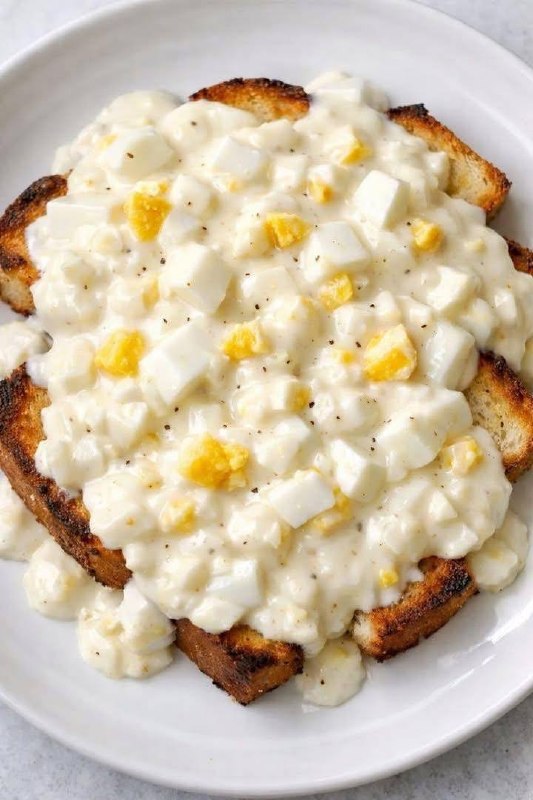
Creamed Eggs on Toast is a classic for a reason. It’s the ultimate budget-friendly comfort food, transforming humble pantry staples like eggs, milk, butter, and bread into a rich, creamy, and incredibly satisfying meal. The beauty lies in its simplicity – hard-boiled eggs are chopped and folded into a luscious, savory white sauce, then spooned generously over crisp, toasted bread. It’s a dish that speaks of simpler times, of making do with what you have, and of the enduring power of a good, home-cooked meal to nourish both body and soul. For me, it’s more than just a recipe; it’s a taste of my grandma’s love and a reminder of her incredible ability to create magic from the everyday.
This dish truly shines in its versatility. While ideal for a hearty breakfast or a comforting lunch, it can easily adapt to a light dinner. The creamy texture of the sauce paired with the firm yet tender eggs and the crunchy toast creates a symphony of textures that is both familiar and deeply satisfying. It’s a recipe that has been passed down through families for decades, each generation adding their own subtle touch, but always retaining the core essence of its heartwarming appeal. Prepare to fall in love with this timeless classic, just as I did, and discover why it holds such a special place in my heart and my family’s culinary history.
Nutritional Information
Per serving (approximate values):
- Calories: 420
- Protein: 22g
- Carbohydrates: 35g
- Fat: 22g
- Fiber: 3g
- Sodium: 550mg
Ingredients
- 6 large eggs
- 4 slices of your favorite bread (sourdough, whole wheat, or white bread work well)
- 3 tablespoons unsalted butter, divided
- 3 tablespoons all-purpose flour
- 2 cups whole milk
- 1/2 teaspoon salt, or to taste
- 1/4 teaspoon freshly ground black pepper, or to taste
- Pinch of cayenne pepper (optional, for a subtle kick)
- 2 tablespoons fresh parsley, chopped (for garnish, optional)
Instructions
- Prepare the Hard-Boiled Eggs: Place the eggs in a medium saucepan and cover them with cold water by about an inch. Bring the water to a rolling boil over high heat. Once boiling, immediately remove the pan from the heat, cover it with a lid, and let the eggs sit in the hot water for 10-12 minutes for firm, fully cooked yolks.
- Cool and Peel the Eggs: While the eggs are sitting, prepare an ice bath by filling a bowl with ice and cold water. Once the cooking time is up, use a slotted spoon to transfer the hot eggs directly into the ice bath. Let them cool for at least 5 minutes. This stops the cooking process and makes them easier to peel. Once cooled, gently tap and roll the eggs on a hard surface to crack the shells, then peel them under cool running water.
- Chop the Eggs: Once peeled, finely chop the hard-boiled eggs. You can use an egg slicer, a knife, or even a pastry blender for this step. Aim for pieces that are roughly 1/4 to 1/2 inch in size. Set aside.
- Prepare the Toast: While making the sauce, toast your bread slices to your desired crispness. You can use a toaster, a toaster oven, or even a pan-fry them in a little butter for extra flavor. Keep them warm.
- Make the Roux: In a medium saucepan or skillet, melt 2 tablespoons of butter over medium heat. Once the butter is melted and slightly foamy, sprinkle in the all-purpose flour. Whisk continuously for 1-2 minutes, creating a smooth paste (this is your roux). Cook until the roux is light golden and smells slightly nutty, being careful not to burn it.
- Add the Milk: Gradually whisk in the cold milk, a little at a time, ensuring lumps don’t form. Continue whisking constantly as you add more milk, until the sauce is smooth and creamy. Bring the mixture to a gentle simmer, still whisking occasionally, and cook for 3-5 minutes, or until the sauce thickens to your desired consistency. It should be thick enough to coat the back of a spoon.
- Season the Sauce: Remove the sauce from the heat. Stir in the salt, black pepper, and optional cayenne pepper. Taste and adjust seasonings as needed. Remember, the eggs will also add some flavor, so don’t over-salt the sauce initially.
- Combine Eggs and Sauce: Gently fold the chopped hard-boiled eggs into the prepared cream sauce. Stir until the eggs are evenly coated.
- Assemble and Serve: Place one or two slices of warm toast on each serving plate. Spoon a generous amount of the creamed eggs over the toast. If desired, garnish with fresh chopped parsley. Serve immediately and enjoy!
Cooking Tips and Variations
To achieve the perfect hard-boiled eggs for this recipe, always start with cold water. Bringing the water to a boil with the eggs already in it and then letting them sit off the heat prevents them from becoming rubbery and helps to avoid that unappetizing green ring around the yolk. An ice bath is crucial for stopping the cooking process immediately and making peeling a breeze. For the sauce, the key to a smooth, lump-free béchamel (white sauce) is to whisk constantly when making the roux and when gradually adding the cold milk. Cold milk helps prevent lumps from forming when introduced to a hot roux. If your sauce ends up too thick, you can thin it with a little extra warm milk, whisking until smooth. If it’s too thin, let it simmer gently for a few more minutes, stirring, to allow it to reduce and thicken.
Don’t be afraid to experiment with seasonings! While salt and pepper are essential, a pinch of nutmeg can add a classic, subtle warmth to the cream sauce. For a more savory depth, consider adding a dash of onion powder or garlic powder. A tiny bit of Dijon mustard whisked into the sauce can also elevate the flavor profile without overpowering the dish. For those who enjoy a bit of heat, a few dashes of hot sauce or a sprinkle of red pepper flakes can provide a pleasant kick. Fresh herbs are a fantastic way to brighten up the dish; chives, dill, or tarragon would all be delicious alternatives or additions to parsley.
There are numerous ways to vary this recipe to suit your taste or what you have on hand. For a heartier version, consider adding cooked, crumbled bacon, diced ham, or sautéed mushrooms to the creamed eggs. Leftover cooked chicken or turkey, finely shredded, can also be folded in for a more substantial meal. If you don’t have fresh bread, English muffins, biscuits, or even warmed croissants make excellent bases for the creamed eggs. For a cheesy twist, stir in a handful of shredded cheddar, Gruyère, or Parmesan cheese into the sauce just before adding the eggs, allowing it to melt into a gooey delight. For a richer sauce, you can substitute some of the milk with half-and-half or light cream. To make it gluten-free, simply use a gluten-free all-purpose flour blend for the roux and ensure your bread is gluten-free. For a dairy-free option, use a plant-based milk (like unsweetened almond or oat milk) and a dairy-free butter substitute, ensuring they are suitable for cooking.
Another excellent variation is to turn this into a baked dish. After spooning the creamed eggs over toast, you can sprinkle a little extra cheese on top and pop it under the broiler for a few minutes until the cheese is bubbly and golden. This adds a lovely crust and extra flavor dimension. You could also serve the creamed eggs over rice, polenta, or even mashed potatoes for a different kind of comfort meal. For an elegant brunch presentation, consider serving individual portions in ramekins, topped with a sprinkle of paprika for color. The beauty of Creamed Eggs on Toast lies in its adaptability; it’s a canvas for your culinary creativity while still retaining its inherent comfort and simplicity. Always taste and adjust seasonings at every step of the process to ensure the final dish is perfectly balanced to your liking.
Storage and Reheating
Leftover creamed eggs should be stored separately from the toast to prevent the toast from becoming soggy. Allow the creamed eggs to cool completely before transferring them to an airtight container. They can be stored in the refrigerator for up to 2-3 days. The toast, if you have any leftover, should be stored at room temperature in a breathable bag or container, but it’s generally best to make fresh toast when serving leftovers.
To reheat the creamed eggs, gently warm them in a saucepan over low to medium-low heat on the stovetop, stirring frequently. If the sauce has thickened too much during refrigeration, you may need to add a splash of milk or water to reach your desired consistency. Continue stirring until the eggs are heated through and the sauce is bubbling gently. Avoid reheating at high heat, as this can cause the eggs to become rubbery or the sauce to separate. For reheating in the microwave, place the creamed eggs in a microwave-safe bowl and heat in 30-second intervals, stirring in between, until thoroughly warmed. Again, you might need to add a little liquid to restore the sauce’s consistency. Always ensure the food is heated to an internal temperature of 165°F (74°C) before serving. Prepare fresh toast just before serving the reheated creamed eggs for the best texture and flavor.
Frequently Asked Questions
Can I make the hard-boiled eggs ahead of time?
Absolutely! Hard-boiled eggs can be prepared up to 5-7 days in advance and stored in their shells in the refrigerator. This makes assembling the dish much quicker on the day you plan to serve it.
What can I do if my cream sauce is lumpy?
If your cream sauce turns out lumpy, don’t despair! You can usually fix it by vigorously whisking it over low heat. If lumps persist, you can pass the sauce through a fine-mesh sieve or use an immersion blender to achieve a smoother consistency before adding the chopped eggs.
Can I freeze Creamed Eggs on Toast?
While you can freeze the creamed egg mixture, it’s generally not recommended. The texture of the eggs can become rubbery and the cream sauce may separate upon thawing and reheating, resulting in a less appealing dish. This recipe is best enjoyed fresh or after short-term refrigeration.
What kind of bread is best for Creamed Eggs on Toast?
Any hearty bread that toasts well will work beautifully. Sourdough offers a nice tang, whole wheat adds a nutty flavor and more fiber, and classic white bread provides a soft base. The key is to have a sturdy toast that can hold up to the creamy sauce without becoming overly soggy too quickly.