

Introduction
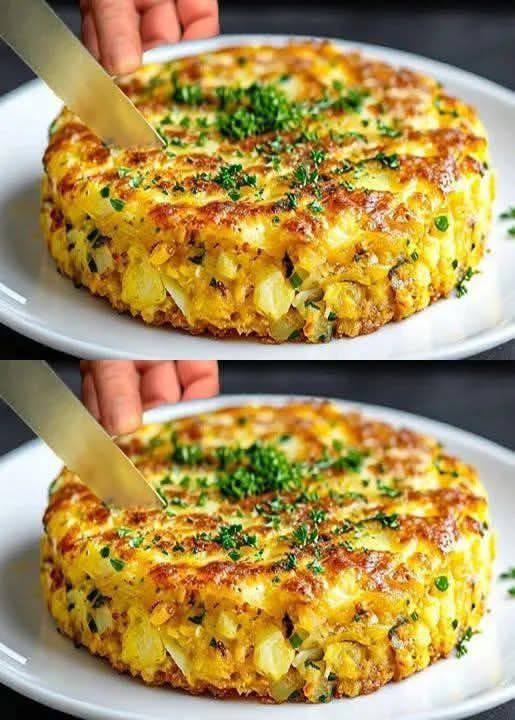
There’s something truly magical about transforming humble ingredients into a dish that’s both comforting and elegant. Today, we’re diving into the world of the “Golden Zucchini Egg”—a dish that perfectly embodies this culinary alchemy. Imagine a vibrant, savory creation, boasting a beautiful golden crust and a tender, flavorful interior. This isn’t just an ordinary omelette; it’s a sophisticated pan-fried frittata, reminiscent of a rustic Spanish tortilla, but with a lighter, fresher feel thanks to the star of our show: zucchini. It’s an absolute triumph for breakfast, brunch, lunch, or even a light dinner, proving that simple doesn’t have to mean boring.
What makes this Golden Zucchini Egg so special? It’s all in the harmonious blend of textures and tastes. The tender, slightly sweet zucchini and caramelized onions melt into a fluffy, rich egg base, while the golden-brown exterior provides a satisfying crispness. This dish is a fantastic way to celebrate the bounty of summer squash, turning an often-overlooked vegetable into an irresistible centerpiece. It’s naturally vegetarian and gluten-free, making it a crowd-pleaser for various dietary preferences. Plus, it’s incredibly versatile – serve it warm straight from the pan, or enjoy it chilled as part of a picnic spread. Its vibrant appearance and delightful aroma are sure to entice anyone lucky enough to be at your table.
Beyond its deliciousness, the Golden Zucchini Egg is also remarkably easy to prepare, even for novice cooks. We’ll guide you through each step, from dicing the vegetables to achieving that perfect golden flip, ensuring your culinary adventure is a resounding success. Get ready to impress yourself and your loved ones with this vibrant, healthy, and utterly delicious dish that’s bound to become a staple in your kitchen. It’s a dish that looks as good as it tastes, proving that sometimes, the simplest ingredients yield the most extraordinary results.
Nutritional Information
Per serving (approximate values):
- Calories: 280
- Protein: 15g
- Carbohydrates: 18g
- Fat: 17g
- Fiber: 3g
- Sodium: 350mg
Ingredients
- 6 large eggs
- 2 medium zucchini (about 1 pound total), diced into ½-inch cubes
- 1 medium yellow onion, diced
- 1 medium potato (e.g., Yukon Gold or Russet), peeled and diced into ½-inch cubes
- 2 tablespoons olive oil, plus more for cooking
- ¼ cup fresh parsley, finely chopped, plus extra for garnish
- ½ teaspoon salt, or to taste
- ¼ teaspoon black pepper, or to taste
- Optional: ½ cup shredded cheese (e.g., Parmesan, Gruyere, or sharp cheddar)
- Optional: 1 clove garlic, minced
- Optional: Pinch of red pepper flakes
Instructions
- Prepare the Vegetables: Wash and dice the zucchini, onion, and potato. Aim for uniform ½-inch cubes so they cook evenly. Pat the zucchini dry with a paper towel to remove excess moisture; this helps it brown better.
- Sauté the Potatoes: Heat 1 tablespoon of olive oil in a 10-inch non-stick oven-safe skillet over medium heat. Add the diced potatoes and cook for 8-10 minutes, stirring occasionally, until they are tender and lightly browned. You want them cooked through but not mushy. Remove the potatoes from the skillet and set aside.
- Sauté the Onion and Zucchini: Add the remaining 1 tablespoon of olive oil to the same skillet (add a little more if needed). Add the diced onion and cook for 3-5 minutes until softened and translucent. If using, add minced garlic and red pepper flakes and cook for another minute until fragrant.
- Add Zucchini: Add the diced zucchini to the skillet with the onions. Cook for another 5-7 minutes, stirring occasionally, until the zucchini is tender-crisp and has released most of its moisture. You want it tender but not soggy. Season the vegetables with a pinch of salt and pepper.
- Combine Ingredients: In a large bowl, whisk the eggs until well combined and slightly frothy. Stir in the cooked potatoes, zucchini, onion mixture, chopped fresh parsley, salt, and black pepper. If using, fold in the shredded cheese.
- Cook the Frittata Base: Wipe the skillet clean if necessary, then add a fresh drizzle of olive oil and heat over medium-low heat. Pour the egg mixture evenly into the skillet. Gently spread the vegetables so they are distributed throughout the eggs.
- Slow Cook and Set: Cook on the stovetop for 10-15 minutes, or until the edges are set and lightly golden, and the center is mostly set but still looks a little moist on top. You can gently lift an edge with a spatula to check the browning underneath. If the top is setting too slowly, you can cover the pan for a few minutes to help steam the top or briefly place it under a broiler (watch carefully!) if your pan is oven-safe.
- The Flip (Optional but Recommended for Golden Top): This is the trickiest part but yields that beautiful golden crust. Place a large, flat plate or cutting board over the skillet. Carefully and confidently invert the skillet, flipping the frittata onto the plate. Then, slide the frittata back into the skillet, uncooked side down, to finish cooking. Cook for another 5-7 minutes, or until the second side is also golden brown and the frittata is cooked through. If you prefer not to flip, you can finish cooking the frittata in a preheated oven at 375°F (190°C) for 10-15 minutes, or until puffed and set.
- Rest and Serve: Once cooked, slide the Golden Zucchini Egg onto a serving platter or cutting board. Let it rest for 5-10 minutes before slicing into wedges. Garnish with extra fresh parsley if desired.
- Enjoy: Serve warm, at room temperature, or even chilled.
Cooking Tips and Variations
Achieving the perfect Golden Zucchini Egg is all about technique and a little bit of creativity. Here are some essential tips and exciting variations to elevate your dish:
- The Golden Crust Secret: For that coveted golden-brown crust, ensure your skillet is adequately oiled and heated over medium-low heat. Avoid high heat, which can burn the exterior before the interior cooks through. If you’re flipping, a confident, swift motion is key. If finishing in the oven, a quick blast under the broiler for the last minute or two (watch it like a hawk!) can give you that beautiful color.
- Preventing Sticking: A good quality non-stick pan is your best friend for this recipe, especially for the flip. Ensure the pan is well-oiled before adding the egg mixture. If you’re using a cast iron skillet, make sure it’s very well seasoned.
- Moisture Control for Zucchini: Zucchini releases a lot of water. Patting it dry after dicing and cooking it until tender-crisp (not mushy) helps prevent a watery frittata. Don’t overcrowd the pan when sautéing, as this steams the zucchini instead of browning it. Cook it in batches if necessary.
- Even Cooking: Dice your vegetables into uniform sizes. This ensures everything cooks at roughly the same rate, preventing some pieces from being undercooked or overcooked. Medium-low heat is crucial for the egg mixture to set evenly without burning the bottom.
- Don’t Overcook the Eggs: The eggs should be set but still moist and tender, not rubbery. The residual heat will continue to cook the frittata slightly even after it’s removed from the heat.
- Cheese Please! Incorporating cheese adds a wonderful depth of flavor and creaminess. Good options include grated Parmesan, sharp cheddar, creamy Gruyere, or even a tangy feta. Stir it into the egg mixture or sprinkle it on top during the last few minutes of cooking.
- Herb Power: Fresh herbs are a game-changer. Beyond parsley, consider adding chopped chives, dill, basil, or a touch of thyme or rosemary to the egg mixture. Experiment to find your favorite combination.
- Spice It Up: A pinch of red pepper flakes can add a subtle warmth. Smoked paprika can contribute a lovely smoky flavor and a deeper golden hue. A dash of garlic powder or onion powder can also enhance the savory notes.
- Vary the Veggies: This dish is incredibly adaptable. Swap out or add other vegetables like bell peppers (any color), spinach (wilt and squeeze out excess water), mushrooms (sauté until browned), cherry tomatoes (halved), or even leftover roasted vegetables. Just make sure denser vegetables are cooked until tender before adding them to the egg mixture.
- Meat Lovers’ Twist: For a non-vegetarian version, crumble and cook some sausage, bacon, or diced ham until crispy. Drain any excess fat before adding it to the egg mixture.
- Finishing in the Oven (No-Flip Method): If you’re nervous about flipping, simply cook the frittata on the stovetop until the edges are set and about two-thirds of the way cooked through. Then, transfer the oven-safe skillet to a preheated oven (375°F/190°C) and bake for 10-15 minutes, or until the center is set and the top is lightly golden. This method works beautifully and eliminates the need for the flip.
- Let it Rest: Allowing the frittata to rest for 5-10 minutes after cooking helps it set completely, making it easier to slice and preventing it from falling apart.
Storage and Reheating
The Golden Zucchini Egg is not only delicious fresh but also makes for fantastic leftovers, perfect for meal prepping throughout the week. Proper storage and reheating will ensure it retains its flavor and texture.
Storage:
Once the frittata has cooled completely to room temperature, transfer it to an airtight container. You can store it whole or pre-slice it into individual wedges for convenience. It will keep well in the refrigerator for up to 3-4 days. While it can technically be frozen, the texture of the eggs and zucchini may become a bit watery or rubbery upon thawing, so it’s generally best enjoyed fresh or from refrigeration.
Reheating:
- Microwave: For a quick reheat, place a slice of frittata on a microwave-safe plate. Heat on medium power for 30-60 seconds, or until warmed through. Be careful not to overheat, as this can make the eggs rubbery.
- Oven/Toaster Oven: For best results, especially if you want to revive some of that golden crust, reheat in a preheated oven or toaster oven at 300°F (150°C) for 10-15 minutes, or until heated through. This method helps maintain a better texture.
- Stovetop: You can also reheat individual slices in a non-stick skillet over medium-low heat for a few minutes per side, until warmed through. Add a tiny splash of water and cover the pan to create some steam and prevent drying out.
The Golden Zucchini Egg is also delicious served cold or at room temperature, making it an excellent option for packed lunches, picnics, or a light snack.
Frequently Asked Questions
What kind of pan is best for making a frittata?
A 10-inch non-stick, oven-safe skillet is ideal for making a frittata, especially if you plan to finish it in the oven or perform the flip. The non-stick surface prevents the eggs from sticking, making it much easier to slide out or flip the frittata. Cast iron skillets can also be used, but ensure they are very well-seasoned to prevent sticking.
Can I prepare the vegetables ahead of time?
Yes, you can definitely prepare the vegetables in advance! You can dice the zucchini, onion, and potato a day or two ahead and store them in separate airtight containers in the refrigerator. You can even sauté them all together and store the cooked vegetable mixture in the fridge. When you’re ready to make the frittata, simply whisk the eggs with the pre-cooked vegetables and proceed with cooking.
My frittata is sticking to the pan, what went wrong?
If your frittata is sticking, it’s likely due to an under-oiled pan, insufficient heat, or using a pan that isn’t truly non-stick. Ensure you use enough olive oil to coat the bottom and sides of the pan before adding the egg mixture. Also, make sure your non-stick coating is in good condition. If using a cast iron skillet, it needs to be well-seasoned and heated properly before adding the eggs.
How do I know when the frittata is fully cooked?
The frittata is fully cooked when the edges are firm and golden brown, and the center is set. If you gently jiggle the pan, the center should not appear liquid or overly wobbly. If finishing in the oven, it will also be slightly puffed. You can insert a knife or thin skewer into the center; if it comes out clean, it’s done. Be careful not to overcook, as this can lead to a dry, rubbery texture.