

Introduction
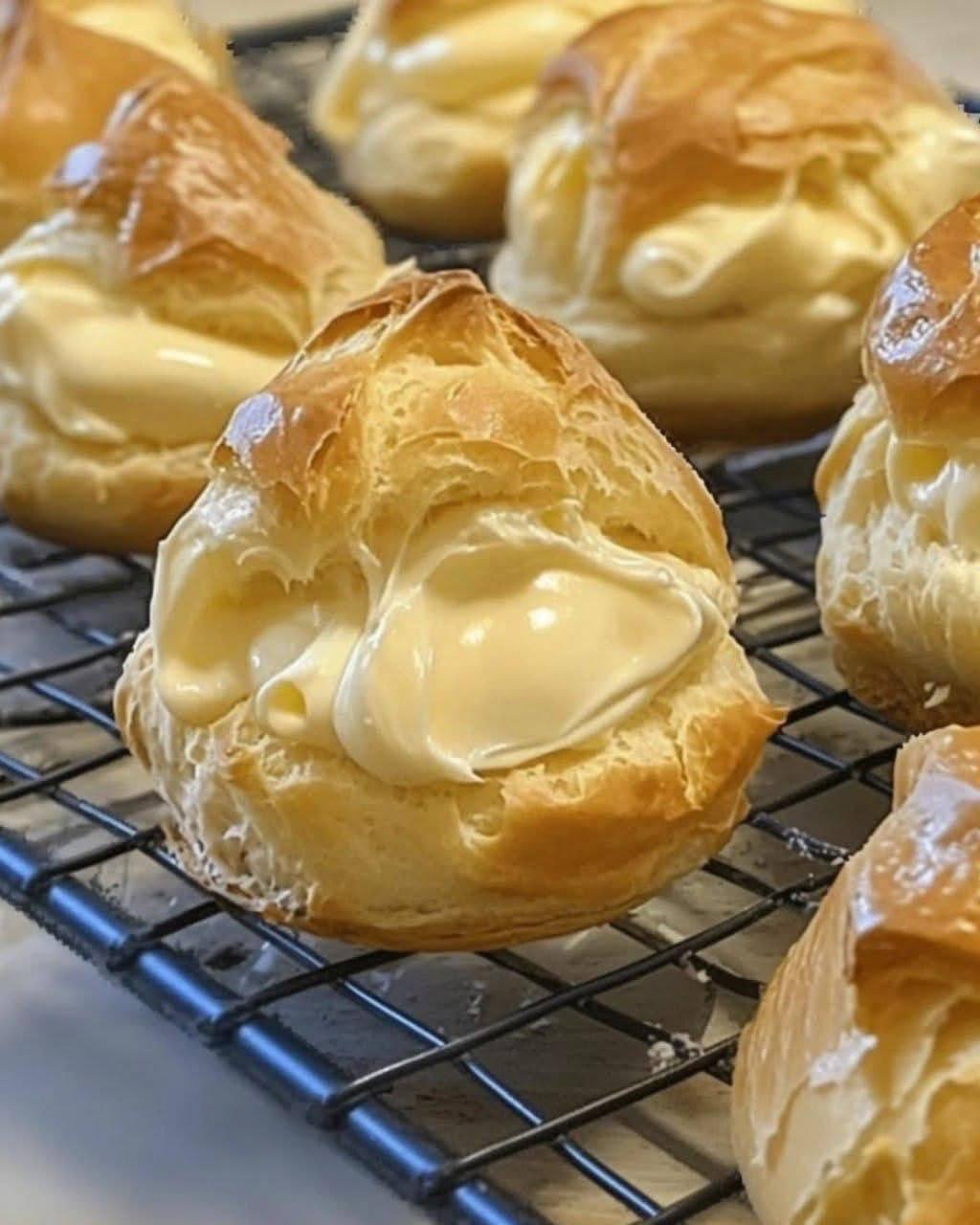
Ah, the humble cream puff! A delicate, airy pastry shell embracing a cloud of luscious cream – it’s a symphony of textures and flavors that has captivated dessert lovers for centuries. These delightful morsels, known in French as profiteroles, are more than just a sweet treat; they are a testament to the magic of choux pastry, a versatile dough that transforms simple ingredients into an extraordinary culinary experience. Imagine biting into a crisp, golden-brown exterior, giving way to a hollow, tender interior, perfectly poised to cradle a rich, velvety filling. Whether served at elegant soirées, casual gatherings, or as a simple indulgence, cream puffs possess an undeniable charm that makes them universally adored.
What makes *this* cream puff recipe truly special is its foolproof nature and the sheer joy it brings to both the baker and the lucky recipient. I’ve distilled years of baking experience into a method that ensures perfectly puffed, golden choux pastry every single time, even if you’re new to the world of French patisserie. We’ll demystify the science behind these airy wonders, empowering you to create bakery-quality cream puffs right in your own kitchen using readily available ingredients. Forget store-bought imitations; prepare to impress yourself and everyone around you with these homemade masterpieces that are surprisingly simple to achieve.
The beauty of cream puffs lies in their delicate balance: the slightly savory choux pastry providing the perfect counterpoint to a sweet, creamy filling. While often associated with sophisticated dessert tables, the process of making them is incredibly rewarding and far less intimidating than it seems. My detailed instructions, coupled with essential tips, will guide you through each step, ensuring your cream puffs rise majestically, hollow out beautifully, and taste absolutely divine. Get ready to embark on a delightful baking adventure that culminates in a batch of irresistible cream puffs, perfect for any occasion.
Nutritional Information
Per serving (approximate values):
- Calories: 280
- Protein: 6g
- Carbohydrates: 25g
- Fat: 18g
- Fiber: 1g
- Sodium: 120mg
Ingredients
For the Choux Pastry:
- 1 cup (240ml) water
- 1/2 cup (113g) unsalted butter, cut into cubes
- 1/4 teaspoon salt
- 1 tablespoon granulated sugar
- 1 cup (120g) all-purpose flour, sifted
- 4 large eggs, at room temperature
For the Classic Vanilla Pastry Cream Filling:
- 2 cups (480ml) whole milk
- 1/2 cup (100g) granulated sugar
- 1/4 cup (30g) cornstarch
- 1/4 teaspoon salt
- 4 large egg yolks
- 2 tablespoons (28g) unsalted butter, cold and cubed
- 1 teaspoon pure vanilla extract
For Garnish (Optional):
- Powdered sugar for dusting
- Melted chocolate for drizzling
Instructions
Part 1: Making the Choux Pastry
- Preheat your oven to 400°F (200°C). Line two baking sheets with parchment paper or silicone baking mats.
- In a medium saucepan, combine the water, butter, salt, and granulated sugar. Bring the mixture to a rolling boil over medium-high heat, stirring occasionally to ensure the butter melts completely and the sugar dissolves.
- Once boiling, immediately remove the saucepan from the heat. Add the sifted flour all at once.
- Stir vigorously with a wooden spoon or heat-proof spatula until the mixture comes together and forms a smooth ball. It should pull away from the sides of the pan.
- Return the saucepan to medium heat and continue to cook the dough, stirring constantly, for about 2-3 minutes. This step, known as “drying out” the dough, is crucial for achieving crisp choux. A thin film will form on the bottom of the pan.
- Transfer the dough to a large mixing bowl (or a stand mixer fitted with the paddle attachment). Let it cool for 5-10 minutes, stirring occasionally, to allow some of the steam to escape. It should still be warm but not scorching hot.
- Add the eggs one at a time, beating well after each addition. If using a stand mixer, beat on medium speed. If mixing by hand, be patient and beat vigorously. The dough will look curdled and separated after the first egg, but it will come back together. Continue beating until each egg is fully incorporated and the dough is smooth and glossy.
- The final dough should be thick enough to hold its shape but soft enough to be piped. To test, lift some dough with a spoon; it should fall off slowly, forming a “V” shape or a soft peak. If it’s too stiff, you might need to add a tiny bit more beaten egg (start with half an egg yolk, beaten).
- Transfer the choux pastry to a piping bag fitted with a large round tip (or a star tip for a decorative look).
- Pipe 1.5 to 2-inch mounds of dough onto the prepared baking sheets, spacing them about 2 inches apart. You can also use two spoons to drop dollops of dough.
- Lightly wet your finger and gently smooth down any peaks on the piped dough to prevent them from burning.
- Bake in the preheated oven for 15 minutes at 400°F (200°C).
- After 15 minutes, reduce the oven temperature to 350°F (175°C) without opening the oven door. Continue baking for another 20-25 minutes, or until the cream puffs are deeply golden brown, firm, and feel very light when lifted.
- Turn off the oven, crack the door open slightly, and let the cream puffs cool in the oven for an additional 10-15 minutes. This helps them dry out and prevents them from collapsing.
- Remove from the oven and cool completely on a wire rack before filling.
Part 2: Making the Classic Vanilla Pastry Cream Filling
- In a medium saucepan, gently heat the whole milk over medium heat until it just begins to simmer around the edges. Do not let it boil.
- In a separate medium bowl, whisk together the granulated sugar, cornstarch, and salt. Add the egg yolks and whisk until the mixture is smooth, pale yellow, and well combined.
- Once the milk is hot, gradually pour about half of it into the egg yolk mixture, whisking constantly to temper the yolks (this prevents them from scrambling).
- Pour the tempered egg yolk mixture back into the saucepan with the remaining hot milk.
- Return the saucepan to medium heat and cook, whisking constantly, until the pastry cream thickens significantly and comes to a boil. Once it boils, continue whisking for 1-2 minutes to ensure the cornstarch is fully cooked and activated. The cream should be very thick, like pudding.
- Remove the saucepan from the heat. Stir in the cold cubed butter and vanilla extract until fully incorporated and melted.
- Pour the pastry cream into a clean, shallow bowl. Press a piece of plastic wrap directly onto the surface of the cream to prevent a skin from forming.
- Refrigerate for at least 2-4 hours, or until thoroughly chilled and firm.
Part 3: Assembly
- Once the choux pastry shells are completely cool and the pastry cream is thoroughly chilled, it’s time to assemble.
- You can fill the cream puffs in two ways:
- Cutting: Using a serrated knife, carefully slice each cream puff horizontally, almost in half, creating a “lid.”
- Piping: Using a small round piping tip, poke a hole in the bottom or side of each cream puff.
- Transfer the chilled pastry cream to a piping bag fitted with a large round or star tip (or a small tip if you’re piping into a hole).
- If cutting, pipe a generous amount of pastry cream into the bottom half of each cream puff, then gently place the “lid” on top.
- If piping, insert the tip into the hole and squeeze until the cream puff feels full and heavy.
- Arrange the filled cream puffs on a serving platter.
- Dust generously with powdered sugar, or drizzle with melted chocolate for extra indulgence, just before serving.
Cooking Tips and Variations
Achieving the Perfect Puff: The key to tall, hollow cream puffs lies in the “drying out” of the dough on the stovetop and then baking them at the correct temperatures. Don’t skip the drying step, and resist the urge to open the oven door during the initial baking phase, as this can cause them to collapse.
Room Temperature Eggs: Ensure your eggs are at room temperature. Cold eggs can cause the dough to seize and make it harder to incorporate evenly, leading to a less consistent texture.
Don’t Overmix the Dough: While you need to beat well after each egg, avoid overmixing the choux pastry once the eggs are fully incorporated. Overmixing can develop too much gluten, resulting in a tougher pastry.
Cooling is Crucial: Allow the baked choux shells to cool completely before filling. Filling warm shells will cause the cream to melt and make the pastry soggy.
Preventing Soggy Bottoms: Cooling the baked puffs in the oven with the door slightly ajar helps to further dry them out and prevents condensation from forming, which can lead to soggy bottoms.
Pastry Cream Consistency: Cook the pastry cream until it is very thick and boils for at least a minute. This ensures the cornstarch is fully activated, preventing a “starchy” taste and guaranteeing a stable, firm cream.
Variations on the Filling:
- Chocolate Pastry Cream: Whisk 1/2 cup (85g) chopped dark chocolate into the hot pastry cream after removing it from the heat, stirring until melted and smooth.
- Whipped Cream: For a lighter option, fill the puffs with sweetened whipped cream (2 cups heavy cream, 1/4 cup powdered sugar, 1 tsp vanilla extract, whipped to stiff peaks).
- Fruit Fillings: Combine pastry cream with fresh berries, sliced bananas, or a fruit compote for a seasonal twist.
- Savory Puffs: Omit the sugar from the choux pastry. Fill with cheese mixtures, chicken salad, or smoked salmon cream cheese for elegant appetizers.
Choux au Craquelin: For an extra crisp and beautiful finish, top your piped choux dough with a thin disc of craquelin (a simple butter, sugar, and flour dough rolled thin and cut into circles) before baking. This creates a beautifully cracked, cookie-like crust.
Storage and Reheating
Unfilled Choux Pastry Shells:
- Room Temperature: Store baked and completely cooled choux shells in an airtight container at room temperature for up to 1-2 days.
- Freezing: Unfilled choux shells freeze exceptionally well. Place cooled shells in a single layer on a baking sheet and freeze until solid. Transfer to a freezer-safe bag or container and freeze for up to 1 month. To reheat, bake frozen shells directly in a preheated 300°F (150°C) oven for 5-10 minutes, or until crisp, then cool completely before filling.
Pastry Cream:
- Store pastry cream in an airtight container with plastic wrap pressed directly onto the surface in the refrigerator for up to 3-4 days. Whisk well before using to restore its smooth consistency.
Filled Cream Puffs:
- Cream puffs are best enjoyed fresh, shortly after filling. The longer they sit, the softer the pastry will become due to moisture from the filling.
- Store filled cream puffs in an airtight container in the refrigerator for up to 1-2 days. The pastry will soften over time, but they will still be delicious.
- Reheating filled cream puffs is not recommended as the filling can separate or become watery, and the pastry will lose its crispness.
Frequently Asked Questions
Why did my cream puffs collapse after baking?
Cream puffs often collapse if they haven’t been baked long enough or dried out sufficiently. The high moisture content creates steam for the puff, but if the pastry isn’t sturdy and dry enough to hold its shape once removed from the heat, it will deflate. Ensure they are deeply golden brown, feel light, and cool them gradually in the turned-off oven with the door ajar.
Can I make the choux pastry ahead of time?
Yes, you can make the choux pastry dough a day in advance. Store it in an airtight container in the refrigerator. When ready to use, let it come closer to room temperature for about 30 minutes, then give it a good stir before piping and baking. You can also freeze piped, unbaked choux pastry for up to 2 weeks, baking directly from frozen (adding a few extra minutes to the baking time).
My pastry cream is lumpy. What went wrong?
Lumpy pastry cream usually results from not whisking constantly and vigorously enough, especially when tempering the egg yolks or when cooking the cream over heat. To fix it, you can push the warm pastry cream through a fine-mesh sieve to remove any lumps, or use an immersion blender to smooth it out.
What if my choux pastry dough is too runny or too stiff?
If your dough is too runny after adding all the eggs, it means you’ve added too much liquid or didn’t dry out the dough enough. Unfortunately, it’s hard to fix. If it’s too stiff and doesn’t form the “V” shape when lifted, you can try adding a tiny bit more beaten egg (start with half an egg yolk, beaten) until it reaches the correct consistency.