

What Happens to Your Body When You Eat Purslane Every Day Especially After 60
Often dismissed as a common garden weed, purslane (Portulaca oleracea) is, in fact, a nutritional powerhouse that deserves a prime spot on your plate, especially as you navigate the golden years after 60. This humble succulent, with its paddle-shaped leaves and reddish stems, is far more than just a nuisance; it’s a superfood packed with an astonishing array of vitamins, minerals, and compounds that can significantly boost your health and well-being. Imagine harnessing the power of nature to support your heart, sharpen your mind, and even keep your bones strong – all from a plant you might have overlooked.
Eating purslane daily, particularly as you age, can usher in a cascade of positive changes within your body. Its unique nutritional profile makes it an exceptional ally against age-related decline, offering benefits that range from cardiovascular protection to enhanced cognitive function. We’re not just talking about adding a new leafy green to your salad; we’re exploring a potent dietary addition that can actively work to maintain vitality and address common health concerns that arise with age. From its remarkable omega-3 content to its rich antioxidant load, purslane is poised to become your new favorite secret weapon for healthy aging.
In this article, we’ll delve deep into the incredible transformations your body can experience when purslane becomes a daily staple. We’ll uncover its impressive nutritional makeup, explore the specific ways it supports health after 60, and show you delicious and easy ways to incorporate it into your diet, including a fantastic recipe for Purslane Pesto. Get ready to discover why this unassuming plant is creating a buzz in the health world and how it can help you thrive well into your senior years.
What is Purslane?
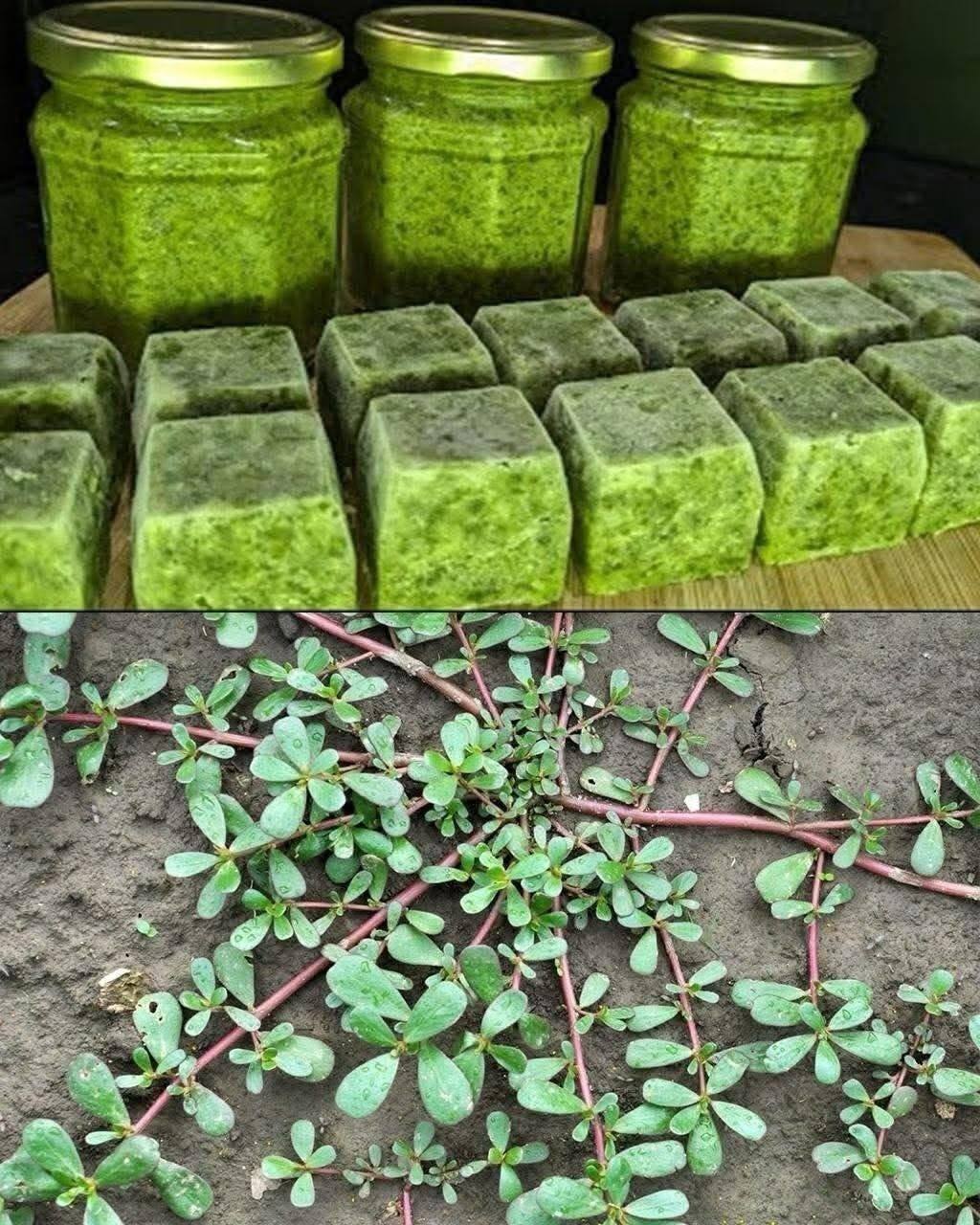
Purslane, scientifically known as Portulaca oleracea, is an annual succulent plant that has been consumed for centuries across various cultures, particularly in the Mediterranean, Asia, and parts of Africa. Despite its global culinary history, in many Western countries, it’s often mistakenly identified as a garden weed. Its appearance is quite distinctive: it features thick, fleshy, paddle-shaped leaves that are typically green, sometimes with a reddish tinge, and succulent, reddish stems that creep along the ground. It can grow quite vigorously, spreading out like a mat.
Beyond its botanical description, purslane is celebrated for its unique flavor profile. It has a slightly tart, lemony, and peppery taste, often described as a refreshing blend of spinach and watercress. This vibrant flavor makes it a versatile ingredient, equally at home in fresh salads as it is lightly cooked in stir-fries or soups. You can find purslane growing wild in gardens, fields, and even cracks in pavements, especially in warmer climates. It’s also increasingly available at farmers’ markets and specialty grocery stores as its superfood status gains recognition. When foraging, always ensure you’re harvesting from areas free of pesticides and pollutants, and be certain of your identification to avoid consuming toxic look-alikes.
Nutritional Benefits of Purslane (Especially for those over 60)
The true magic of purslane lies in its dense nutritional content, making it an extraordinary food, particularly for individuals over the age of 60. As our bodies age, specific nutritional needs become more pronounced, and purslane steps up to meet many of these challenges.
- Richest Plant Source of Omega-3 Fatty Acids (ALA): This is perhaps purslane’s most celebrated attribute. It contains more Omega-3 alpha-linolenic acid (ALA) than any other leafy green vegetable. For those over 60, Omega-3s are crucial for
Heart Health: They help reduce inflammation, lower triglyceride levels, and may reduce the risk of heart disease and stroke, which are significant concerns in older adults.
Brain Health: Omega-3s are vital for cognitive function, helping to maintain memory, focus, and overall brain health, potentially slowing age-related cognitive decline.
Joint Health: Their anti-inflammatory properties can alleviate symptoms of arthritis and promote joint flexibility, a common issue with aging.
- Rich in Vitamins:
- Vitamin A (Beta-carotene): Purslane is packed with beta-carotene, which the body converts into Vitamin A. This is essential for
Vision Health: Protecting against age-related macular degeneration and maintaining good eyesight.
Immune Function: Strengthening the immune system, which can weaken with age.
- Vitamin C: A powerful antioxidant that supports
Immune System: Boosting immunity and fighting off infections.
Skin Health: Promoting collagen production, which can help maintain skin elasticity and wound healing.
- Vitamin E: Another potent antioxidant that protects cells from damage caused by free radicals, potentially reducing the risk of chronic diseases and supporting
Cardiovascular Health: By preventing the oxidation of LDL cholesterol.
- B Vitamins (Folate, Riboflavin, Niacin, Pyridoxine): These are crucial for
Energy Metabolism: Converting food into energy.
Nervous System Function: Supporting nerve health and potentially reducing the risk of neurological issues.
- Vitamin A (Beta-carotene): Purslane is packed with beta-carotene, which the body converts into Vitamin A. This is essential for
- Good Source of Minerals:
- Magnesium: Essential for over 300 biochemical reactions in the body, including
Muscle and Nerve Function: Preventing cramps and supporting healthy nerve signals.
Bone Health: Working with calcium to maintain bone density.
Blood Sugar Control: Important for managing or preventing type 2 diabetes.
- Potassium: Crucial for maintaining
Healthy Blood Pressure: Counteracting the effects of sodium and supporting cardiovascular health.
Fluid Balance: Essential for kidney function, which can be a concern with age.
- Calcium: While not as high as dairy, purslane contributes to daily calcium intake, which is vital for
Bone Density: Preventing osteoporosis, a major health concern for older adults, especially women.
- Iron: Important for preventing
Anemia: Which can cause fatigue and weakness, common symptoms in older individuals.
- Magnesium: Essential for over 300 biochemical reactions in the body, including
- Antioxidant Properties (Betalains and Carotenoids): Purslane contains unique red-purple pigments called betalains, as well as powerful carotenoids. These compounds act as strong antioxidants, scavenging free radicals that contribute to cellular damage and aging. This antioxidant power contributes to
Reduced Inflammation: A key factor in many age-related chronic diseases.
Cancer Prevention: By protecting cells from oxidative stress.
Overall Cellular Health: Promoting longevity and vitality.
- Other Bioactive Compounds: Purslane also contains other beneficial compounds like flavonoids and alkaloids, which may offer additional protective effects against various diseases.
In essence, for individuals over 60, incorporating purslane daily is like taking a multi-vitamin, an omega-3 supplement, and an antioxidant booster all in one natural package. It actively supports the body’s systems most vulnerable to age-related decline, helping to maintain strength, cognitive sharpness, and overall well-being.
How to Incorporate Purslane into Your Daily Diet
Adding purslane to your daily meals is surprisingly easy and incredibly versatile. Its slightly tart and refreshing flavor makes it a delightful addition to both raw and cooked dishes.
- Raw:
- Salads: Simply tear or chop fresh purslane leaves and stems and add them to your favorite green salads for a vibrant crunch and a nutritional boost.
- Sandwiches and Wraps: Use purslane as a fresh, peppery green in place of or alongside lettuce or spinach.
- Smoothies: Blend a handful of fresh purslane into your morning smoothie for an omega-3 rich kick.
- Garnish: Sprinkle chopped purslane over soups, stews, or grilled meats for a fresh finish.
- Cooked:
- Stir-fries: Add purslane during the last few minutes of cooking to retain its texture and nutrients.
- Soups and Stews: Stir in chopped purslane towards the end of the cooking process. It will wilt quickly, adding a subtle tang.
- Omelets and Scrambled Eggs: Sauté purslane lightly before adding eggs for a nutritious breakfast.
- Sautéed Side Dish: Lightly sauté purslane with garlic and a drizzle of olive oil for a simple and healthy side.
Recipe for Purslane Pesto (Inspired by the Image)
Making a vibrant purslane pesto is an excellent way to preserve its goodness and enjoy it in countless ways. This recipe is designed to be nutrient-dense and flavorful.
Nutritional Information
Per serving (approximate values for 2 tablespoons of pesto):
- Calories: 150 kcal
- Protein: 3g
- Carbohydrates: 4g
- Fat: 14g
- Fiber: 2g
- Sodium: 120mg
Ingredients
- 4 cups fresh purslane, thoroughly washed and dried (stems included)
- 1/2 cup extra virgin olive oil, plus more for topping
- 1/4 cup pine nuts (or walnuts/almonds for a variation)
- 2 cloves garlic, peeled
- 2 tablespoons fresh lemon juice
- 1/4 cup grated Parmesan cheese (optional, omit for dairy-free)
- 1/2 teaspoon sea salt, or to taste
- 1/4 teaspoon black pepper, or to taste
Instructions
- Prepare Purslane: Ensure your purslane is meticulously washed to remove any dirt or debris. Pat it thoroughly dry with paper towels or use a salad spinner. Excess water can make your pesto watery.
- Toast Pine Nuts (Optional): If using pine nuts, lightly toast them in a dry skillet over medium-low heat for 3-5 minutes, stirring frequently, until fragrant and lightly golden. Watch them carefully as they can burn quickly. Let cool completely.
- Combine Ingredients: In the bowl of a food processor, combine the dried purslane, toasted pine nuts (or other nuts), peeled garlic cloves, and fresh lemon juice.
- Process: Pulse the mixture several times until the purslane and nuts are roughly chopped.
- Add Olive Oil: With the food processor running, slowly drizzle in the 1/2 cup of extra virgin olive oil through the feed tube. Continue to process until the pesto reaches your desired consistency – smooth or slightly chunky, as preferred.
- Add Cheese and Seasoning: If using, add the grated Parmesan cheese, sea salt, and black pepper. Pulse a few more times to combine and incorporate the seasoning.
- Taste and Adjust: Taste the pesto and adjust seasoning as needed. You might want more salt, pepper, or a bit more lemon juice for extra brightness.
- Store or Use: Transfer the pesto to an airtight container. If storing in the refrigerator, pour a thin layer of olive oil over the surface to prevent oxidation and discoloration.
Cooking Tips and Variations
- Harvesting Tips: Harvest purslane in the morning after the dew has dried for the best flavor and texture. Avoid harvesting from roadsides or areas that may have been sprayed with pesticides.
- Storage of Fresh Purslane: Purslane wilts quickly. To keep it fresh for a few days, wrap it in a damp paper towel and place it in a plastic bag in the refrigerator.
- Nut Substitutions: If you don’t have pine nuts, walnuts or blanched almonds work wonderfully in pesto, offering a slightly different but equally delicious flavor profile.
- Garlic Intensity: For a milder garlic flavor, you can roast the garlic cloves before adding them to the pesto.
- Cheesy Variations: For an extra cheesy flavor, you can add nutritional yeast in place of or alongside Parmesan cheese, especially for a dairy-free option.
- Spice It Up: A pinch of red pepper flakes can add a subtle kick to your pesto.
- Freezing Pesto: The image shows pesto frozen in cubes, which is a brilliant method for portion control and extending its shelf life. Pour the finished pesto into ice cube trays and freeze until solid. Once frozen, pop the cubes out and transfer them to a freezer-safe bag or container. This allows you to thaw just the amount you need for a single serving.
- Serving Suggestions for Pesto:
- Toss with hot pasta for a quick and flavorful meal.
- Spread on sandwiches, wraps, or toast.
- Dollop onto grilled chicken, fish, or vegetables.
- Stir into scrambled eggs or omelets.
- Use as a base for pizza or flatbread.
- Mix into mashed potatoes or rice.
- Taste Test: The sourness of purslane can vary, so always taste a leaf before using it in large quantities to adjust other flavors in your dish accordingly.
Storage and Reheating
Proper storage is key to enjoying your purslane pesto for an extended period, whether fresh or frozen.
- Refrigerator Storage (Pesto): Freshly made purslane pesto can be stored in an airtight container in the refrigerator for up to 1 week. To prevent oxidation and maintain its vibrant green color, pour a thin layer of extra virgin olive oil over the surface of the pesto before sealing the container. This creates a barrier against air.
- Freezer Storage (Pesto): For longer storage, freezing is an excellent option. As seen in the image, using ice cube trays is ideal for portion control.
- Spoon the pesto into clean ice cube trays, filling each compartment.
- Freeze until the cubes are solid (typically 2-4 hours).
- Once frozen, pop the pesto cubes out of the trays and transfer them to a freezer-safe bag or airtight container. Label with the date.
- Frozen pesto can be stored for up to 6 months.
- Reheating/Thawing Pesto:
- From Refrigerator: Simply remove the desired amount from the container and use it at room temperature or gently warm it if incorporating into a hot dish.
- From Freezer: For individual portions, simply take out a frozen cube or two. You can thaw it in the refrigerator overnight, at room temperature for an hour, or directly add it to hot pasta, soup, or sauce, where it will melt and incorporate. Avoid microwaving on high heat, as this can degrade the delicate flavors and nutrients of the fresh herbs and olive oil.
- Storage of Fresh Purslane: If you have fresh purslane that you haven’t yet made into pesto, it’s best consumed within 2-3 days. Wrap the unwashed purslane in a damp paper towel and place it in a loosely sealed plastic bag in the crisper drawer of your refrigerator. Washing it too soon can make it spoil faster.
Frequently Asked Questions
What are the main benefits of eating purslane daily, especially for someone over 60?
For individuals over 60, daily purslane consumption offers significant benefits primarily due to its high omega-3 fatty acid content, which supports heart and brain health, and its rich array of antioxidants, vitamins (A, C, E), and minerals (magnesium, potassium). These nutrients collectively help reduce inflammation, maintain cognitive function, support bone density, manage blood pressure, and boost the immune system, all crucial for healthy aging and combating age-related health concerns.
Can purslane interfere with any medications or existing health conditions?
While generally safe, purslane contains oxalates, which in very high amounts can be a concern for individuals prone to kidney stones. If you have kidney issues, it’s advisable to consult your doctor before consuming large quantities of purslane regularly. Additionally, due to its high potassium content, individuals on certain blood pressure medications or with kidney disease should also consult a healthcare professional. Purslane also has blood-thinning properties due to its omega-3 content, so if you are on anticoagulant medications, discuss this with your doctor.
How much purslane should I eat daily to get its benefits?
There’s no strict recommended daily amount, but incorporating about 1/2 to 1 cup of fresh purslane (or 2-3 tablespoons of pesto) into your diet daily or several times a week is a good starting point to reap its benefits. Consistency is key. You can add it to salads, smoothies, stir-fries, or enjoy it as a pesto on various dishes. Listen to your body and adjust the amount based on your preferences and any dietary considerations.
Is cooked purslane as beneficial as raw purslane?
Both raw and cooked purslane offer significant health benefits. Raw purslane retains the highest levels of some heat-sensitive vitamins, like Vitamin C. However, cooking can make other nutrients, such as certain antioxidants, more bioavailable. Light cooking, like quick sautéing or adding it to soups at the end, is ideal as it minimizes nutrient loss while still allowing you to enjoy its unique flavor and texture. The omega-3 fatty acids are generally stable under typical cooking conditions.