

Introduction
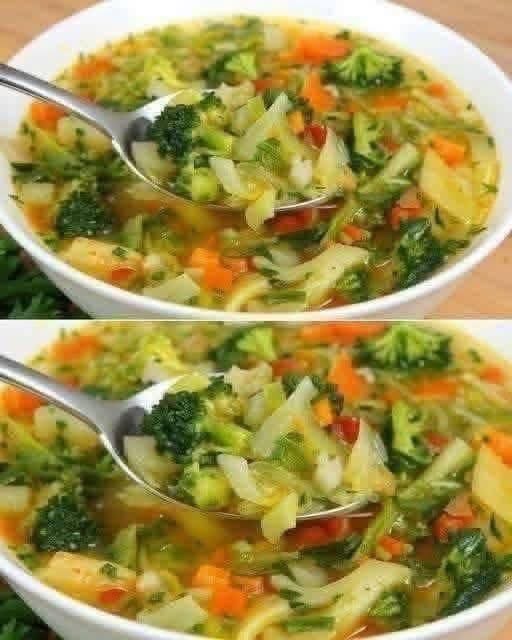
There’s nothing quite like a warm, comforting bowl of soup to chase away a chill, soothe a soul, or simply provide a nourishing meal. And when that soup is brimming with vibrant, wholesome vegetables, it’s not just food; it’s a hug in a bowl. Our Hearty Vegetable Soup recipe is exactly that – a deliciously satisfying creation that celebrates the bounty of the garden, transforming simple ingredients into a truly special dish. It’s the kind of soup that makes you feel good from the inside out, packed with nutrients, bursting with fresh flavors, and incredibly versatile.
What makes this particular vegetable soup so “hearty”? It’s the thoughtful combination of diverse textures and flavors, ensuring every spoonful is a delightful experience. We’re talking tender broccoli florets, sweet carrots, delicate cabbage, and filling potatoes or pasta, all swimming in a rich, savory broth. This isn’t a thin, watery soup; it’s a substantial meal designed to leave you feeling fully satisfied without being heavy. It’s perfect for a light lunch, a comforting dinner, or even as a wholesome starter to a larger meal. Plus, it’s incredibly easy to make, making it an ideal choice for busy weeknights or relaxed weekend cooking.
Beyond its incredible taste and satisfying texture, this Hearty Vegetable Soup is a nutritional powerhouse. It’s naturally low in calories but high in fiber, vitamins, and minerals, making it an excellent choice for anyone looking to incorporate more vegetables into their diet, support a healthy lifestyle, or simply enjoy a delicious vegetarian or vegan meal. Whether you’re a seasoned chef or a kitchen novice, you’ll find this recipe straightforward and rewarding. Get ready to gather your ingredients and embark on a culinary journey that promises warmth, flavor, and pure comfort.
Nutritional Information
Per serving (approximate values):
- Calories: 220
- Protein: 8g
- Carbohydrates: 35g
- Fat: 6g
- Fiber: 10g
- Sodium: 650mg
Ingredients
- 2 tablespoons olive oil
- 1 large yellow onion, diced
- 2 carrots, peeled and diced
- 2 celery stalks, diced
- 3 cloves garlic, minced
- 8 cups vegetable broth (low sodium recommended)
- 1 (14.5 ounce) can diced tomatoes, undrained
- 1 cup broccoli florets, chopped into bite-sized pieces
- 1 cup green cabbage, thinly sliced or chopped
- 2 medium potatoes (Yukon Gold or Russet), peeled and diced into ½-inch cubes
- ½ cup small pasta (such as ditalini or small shells) OR ½ cup cooked cannellini beans, rinsed and drained
- 1 teaspoon dried oregano
- ½ teaspoon dried thyme
- ½ teaspoon black pepper
- Salt to taste
- ¼ cup fresh parsley, chopped, for garnish
Instructions
- Heat the olive oil in a large pot or Dutch oven over medium heat. Add the diced onion, carrots, and celery. Sauté for 8-10 minutes, or until the vegetables have softened and the onion is translucent.
- Add the minced garlic to the pot and cook for another 1-2 minutes until fragrant, being careful not to burn it.
- Pour in the vegetable broth and add the undrained diced tomatoes. Stir in the dried oregano, dried thyme, and black pepper. Bring the mixture to a simmer.
- Add the diced potatoes to the pot. Continue to simmer for 10-15 minutes, or until the potatoes are fork-tender.
- Stir in the broccoli florets and sliced cabbage. If using small pasta, add it now. If using cooked cannellini beans, add them in the next step. Continue to simmer for another 5-7 minutes, or until the broccoli and cabbage are tender-crisp and the pasta is al dente.
- If using cooked cannellini beans instead of pasta, stir them in during the last 2-3 minutes of cooking to heat through.
- Taste the soup and adjust seasoning with salt as needed. Remember that broth can vary in sodium content, so start with a little and add more if necessary.
- Ladle the hot soup into bowls. Garnish each serving with fresh chopped parsley before serving.
Cooking Tips and Variations
For the best Hearty Vegetable Soup, preparation is key. Start by ensuring all your vegetables are chopped to a uniform size. This not only makes for a more aesthetically pleasing soup but also ensures they cook evenly. Unevenly cut vegetables can lead to some being mushy while others are still firm. When sautéing your aromatics (onion, carrots, celery, and garlic), take your time. This step builds the foundation of flavor for your soup, allowing the vegetables to soften and release their sweet, savory notes. Don’t rush it; a good sauté can make all the difference.
Another crucial tip is to layer your vegetables according to their cooking times. Root vegetables like potatoes and carrots take longer to soften, so they go into the pot first. Softer, quicker-cooking vegetables like broccoli and cabbage should be added towards the end to prevent them from becoming overcooked and losing their vibrant color and texture. For an even richer broth, consider deglazing the pot with a splash of white wine after sautéing the aromatics and before adding the broth. This adds another layer of complexity and depth to the soup’s flavor profile.
This soup is wonderfully versatile, allowing for numerous variations. To boost the protein content, consider adding a can of rinsed and drained chickpeas, kidney beans, or cannellini beans along with the other vegetables. For a non-vegetarian option, shredded cooked chicken or turkey can be stirred in during the last few minutes of cooking. If you prefer grains over pasta, a quarter to half cup of quinoa or small pearl barley can be added with the potatoes, keeping in mind they will absorb more liquid, so you might need to add an extra cup of broth. Spice lovers can add a pinch of red pepper flakes with the garlic for a subtle kick. For a creamy texture without dairy, a swirl of cashew cream or a spoonful of nutritional yeast can be stirred in at the end. Don’t be afraid to experiment with different seasonal vegetables too – bell peppers, zucchini, green beans, or spinach would all be delicious additions. Just be mindful of their cooking times.
Storage and Reheating
Hearty Vegetable Soup is an excellent candidate for meal prep and typically tastes even better the next day as the flavors have more time to meld. To store, allow the soup to cool completely to room temperature before transferring it to airtight containers. This prevents condensation and helps maintain freshness. It can be stored in the refrigerator for up to 3-4 days.
For longer storage, this soup freezes beautifully. Once cooled, portion the soup into freezer-safe containers or heavy-duty freezer bags. If using freezer bags, lay them flat to freeze, which saves space. Frozen soup can be kept for up to 2-3 months. When you’re ready to enjoy, transfer the frozen soup to the refrigerator overnight to thaw, or gently reheat it directly from frozen in a pot over low heat, stirring occasionally, until it’s warmed through. You may need to add a splash of extra broth or water to achieve the desired consistency, as some liquid may evaporate during reheating or be absorbed by the pasta.
To reheat refrigerated soup, simply pour the desired amount into a saucepan and warm over medium heat, stirring occasionally, until it reaches your preferred temperature. Alternatively, you can reheat individual servings in the microwave in a microwave-safe bowl. Start with 1-2 minutes, stir, and continue heating in 30-second intervals until hot. Always ensure the soup is heated thoroughly before serving. A fresh sprinkle of parsley or a squeeze of lemon juice can help revive the flavors when reheating.
Frequently Asked Questions
Can I make this soup vegan?
Absolutely! This Hearty Vegetable Soup recipe is already designed to be vegan-friendly, provided you use vegetable broth. All the ingredients listed are plant-based, making it a perfect choice for those following a vegan diet.
What if I don’t have all the vegetables listed?
This soup is incredibly forgiving and customizable. Feel free to substitute or omit vegetables based on what you have on hand or what’s in season. Good substitutes include zucchini, green beans, bell peppers, spinach, or kale. Just be mindful of their cooking times and add them accordingly.
Can I add protein to this soup?
Yes, you can easily add protein. For plant-based protein, stir in a can of rinsed and drained chickpeas, cannellini beans, or kidney beans along with the other vegetables. For non-vegetarian options, cooked shredded chicken or turkey can be added during the last few minutes of cooking to heat through.
How can I make the soup thicker?
If you prefer a thicker soup, you have a few options. You can mash a portion of the cooked potatoes against the side of the pot to release some starch, which will naturally thicken the broth. Alternatively, you can ladle out about 1-2 cups of the soup, blend it until smooth using an immersion blender or a regular blender (carefully!), and then return it to the pot. Another method is to make a cornstarch slurry (1 tablespoon cornstarch mixed with 2 tablespoons cold water) and stir it into the simmering soup until it reaches your desired consistency.