

Introduction
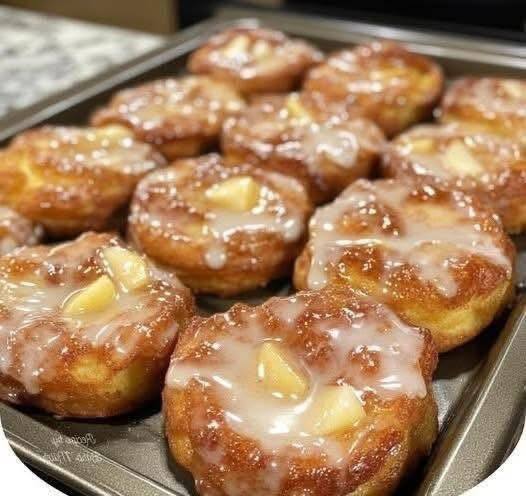
Prepare to embark on a culinary journey to pure bliss with these Homemade Glazed Donuts featuring a luscious Creamy Filling. Forget those bland, store-bought imposters – we’re talking about light, airy, golden-brown donuts with a delicate chew, bathed in a shimmering, sweet glaze, and bursting with a velvety, rich cream. This isn’t just a recipe; it’s an experience, a delightful indulgence that promises to elevate your breakfast, brunch, or dessert spread to legendary status. Imagine biting through that crackly glaze, past the tender donut, and into a cloud of sweet, smooth cream – it’s a moment of pure, unadulterated joy that’s surprisingly achievable in your own kitchen.
What makes these donuts truly special is the perfect harmony between textures and flavors. The yeast-raised dough yields an incredibly soft and fluffy interior, a stark contrast to the crisp, golden exterior achieved through careful frying. The simple yet elegant vanilla glaze adds just the right amount of sweetness and a beautiful sheen, while the creamy filling, whether it’s a classic pastry cream or a lighter whipped custard, provides a delightful cool and smooth counterpoint to the warm donut. While the image suggests a fried donut, we’ll cover options for both frying for that classic taste and baking for a slightly lighter alternative, ensuring everyone can enjoy this heavenly confection.
These Glazed Donuts with Creamy Filling are more than just a sweet treat; they’re a labor of love that rewards you with unparalleled freshness and flavor. The process, while requiring a bit of patience for the dough to rise, is incredibly rewarding. You’ll gain a true appreciation for homemade baked goods, understanding how simple ingredients can transform into something truly extraordinary. Whether you’re making them for a special occasion, a weekend indulgence, or simply to satisfy a serious sweet craving, these donuts are guaranteed to impress and leave everyone asking for more. Get ready to dazzle your taste buds and create some unforgettable moments with this irresistible recipe!
Nutritional Information
Per serving (approximate values):
- Calories: 380-420
- Protein: 6-8g
- Carbohydrates: 50-60g
- Fat: 18-22g
- Fiber: 1-2g
- Sodium: 250-300mg
Ingredients
For the Donut Dough:
- 2 ¼ teaspoons (1 packet) active dry yeast
- ½ cup warm milk (105-115°F / 40-46°C)
- ¼ cup granulated sugar, plus 1 teaspoon
- ½ cup unsalted butter, melted and cooled
- 2 large eggs, at room temperature
- 1 teaspoon vanilla extract
- ½ teaspoon salt
- 3 ½ – 4 cups all-purpose flour, plus more for dusting
- Vegetable oil or canola oil, for frying (about 6-8 cups)
For the Creamy Filling:
- 1 ½ cups whole milk
- ½ cup granulated sugar
- ¼ cup cornstarch
- 2 large egg yolks
- 2 tablespoons unsalted butter, softened
- 1 teaspoon vanilla extract
- Pinch of salt
For the Vanilla Glaze:
- 2 cups powdered sugar, sifted
- ¼ cup milk (or heavy cream for a richer glaze)
- 1 teaspoon vanilla extract
- Pinch of salt
Instructions
Part 1: Preparing the Donut Dough
- In a large bowl, combine the warm milk, 1 teaspoon of granulated sugar, and active dry yeast. Stir gently and let it sit for 5-10 minutes until foamy. This indicates the yeast is active.
- Add the remaining ¼ cup granulated sugar, melted butter, eggs, vanilla extract, and salt to the yeast mixture. Whisk until well combined.
- Gradually add 3 ½ cups of all-purpose flour to the wet ingredients, mixing with a wooden spoon or a stand mixer with a dough hook attachment on low speed. Once the dough comes together, turn it out onto a lightly floured surface.
- Knead the dough for 8-10 minutes, adding more flour a tablespoon at a time if the dough is too sticky, until it’s smooth, elastic, and no longer sticky. It should spring back when lightly poked.
- Lightly grease a clean bowl with a little oil. Place the dough in the bowl, turning it once to coat. Cover the bowl tightly with plastic wrap or a clean kitchen towel.
- Let the dough rise in a warm, draft-free place for 1-1.5 hours, or until it has doubled in size. This is the first proof.
Part 2: Preparing the Creamy Filling
- In a medium saucepan, whisk together ½ cup granulated sugar and cornstarch.
- In a separate bowl, whisk the egg yolks.
- Gradually whisk in the whole milk to the egg yolks until smooth.
- Pour the egg yolk mixture into the saucepan with the sugar and cornstarch. Whisk constantly over medium heat.
- Continue to cook, whisking vigorously, until the mixture thickens significantly and comes to a boil. It should be thick enough to coat the back of a spoon. Boil gently for 1 minute while whisking.
- Remove from heat and stir in the softened butter, vanilla extract, and a pinch of salt until smooth and fully incorporated.
- Transfer the creamy filling to a clean bowl. Cover the surface directly with plastic wrap to prevent a skin from forming.
- Refrigerate for at least 2 hours, or until thoroughly chilled and firm.
Part 3: Shaping and Frying/Baking the Donuts
- Once the donut dough has doubled in size, gently punch it down to release the air.
- Turn the dough out onto a lightly floured surface and gently roll it out to about ½-inch thickness.
- Using a 3-inch round cutter (or a drinking glass), cut out donut shapes. You can re-roll the scraps and cut more donuts until all dough is used.
- Place the cut donuts on parchment-lined baking sheets, leaving some space between them.
- Cover the donuts loosely with plastic wrap or a clean kitchen towel and let them rise again in a warm place for 30-45 minutes, or until visibly puffy. This is the second proof.
- For Frying: Heat 6-8 cups of vegetable or canola oil in a large, heavy-bottomed pot or Dutch oven over medium heat to 350°F (175°C). Use a candy thermometer to monitor the temperature.
- Carefully lower 2-3 donuts into the hot oil using a slotted spoon or spider. Do not overcrowd the pot.
- Fry for 1-2 minutes per side, until golden brown and cooked through.
- Remove the fried donuts with a slotted spoon and place them on a wire rack set over a baking sheet lined with paper towels to drain excess oil.
- For Baking (Alternative): Preheat oven to 375°F (190°C). Lightly grease a baking sheet.
- Bake the risen donuts for 10-12 minutes, or until golden brown and cooked through.
- Transfer baked donuts to a wire rack to cool slightly.
Part 4: Glazing and Filling the Donuts
- While the donuts are cooling slightly (they should still be warm, not hot), prepare the glaze. In a medium bowl, whisk together the sifted powdered sugar, ¼ cup milk, vanilla extract, and a pinch of salt until smooth. Add more milk a teaspoon at a time if the glaze is too thick, or more powdered sugar if it’s too thin.
- Dip each warm donut top-side down into the glaze, letting excess drip off. Place them back on the wire rack to set.
- Once the donuts are glazed and slightly cooled, retrieve the chilled creamy filling. Spoon the filling into a piping bag fitted with a long, thin pastry tip (or a thick round tip if you don’t have a specific filling tip).
- Carefully insert the tip into the side of each donut and gently squeeze to inject the creamy filling until the donut feels slightly heavier and plump. Alternatively, if you don’t have a filling tip, you can slice the donut in half horizontally and spread the filling inside.
- Serve immediately and enjoy your homemade Glazed Donuts with Creamy Filling!
Cooking Tips and Variations
Achieving the Perfect Dough: The key to fluffy donuts is not overworking the dough during the initial kneading, but kneading it enough to develop gluten. It should be soft and slightly tacky, but not sticky. If using a stand mixer, check the dough frequently. The first rise is crucial; ensure your rising spot is warm and draft-free. A slightly warmed oven (turned off!) is a great spot.
Frying Oil Temperature: Maintaining the correct oil temperature (350°F / 175°C) is paramount for fried donuts. If the oil is too hot, the donuts will brown too quickly on the outside and be raw inside. If it’s too cool, they’ll absorb too much oil and become greasy. Use a thermometer and adjust heat as needed. Don’t overcrowd the pot, as this lowers the oil temperature.
Preventing Greasy Donuts: Besides maintaining oil temperature, ensure your donuts are fully proofed (puffy) before frying. Under-proofed donuts tend to absorb more oil. Also, place fried donuts on a wire rack with paper towels underneath to allow air circulation and drain excess oil.
Filling Variations: Get creative with your creamy filling! For a chocolate filling, melt 2 ounces of dark chocolate into the warm pastry cream. For a citrus twist, add lemon or orange zest to the filling. You could also use a simple whipped cream filling (stabilized with a bit of gelatin or cornstarch for longer holding) for a lighter option.
Glaze Variations: Beyond vanilla, try a chocolate glaze by whisking in 2 tablespoons of unsweetened cocoa powder to the powdered sugar. A maple glaze can be made by substituting maple syrup for some of the milk. For a vibrant touch, add a few drops of food coloring to your vanilla glaze.
Baked Donut Tips: If baking, ensure they are golden brown and spring back when lightly touched to confirm they are cooked through. Baked donuts will have a different texture than fried, but are still delicious.
Donut Hole Fun: Don’t discard the donut holes! Fry or bake them alongside the donuts and glaze them for extra bite-sized treats.
Storage and Reheating
Storage: Donuts are always best enjoyed fresh on the day they are made. However, if you have leftovers, store them in an airtight container at room temperature for up to 1 day. For longer storage, refrigerate for up to 2-3 days. The texture of the donut and glaze may change slightly, and the filling will be best kept cold.
Reheating: Reheating filled donuts can be tricky as the filling can get too warm. If you prefer a warm donut, you can gently warm unfilled glazed donuts in a microwave for 10-15 seconds or in a preheated oven at 300°F (150°C) for 5-7 minutes. For filled donuts, it’s generally best to enjoy them at room temperature or slightly chilled, as reheating can cause the filling to leak or become too runny.
Frequently Asked Questions
What kind of oil is best for frying donuts?
For frying donuts, neutral-flavored oils with a high smoke point are best. Vegetable oil, canola oil, and peanut oil are excellent choices as they won’t impart unwanted flavors to your donuts and can withstand the necessary high temperatures without breaking down.
Can I make the donut dough ahead of time?
Yes, you can! After the first rise, punch down the dough, cover it tightly with plastic wrap, and refrigerate it overnight (up to 24 hours). The next day, let the dough come to room temperature for about 30-60 minutes before rolling, cutting, and proceeding with the second rise and cooking steps. This slow rise can even enhance the flavor of the donuts.
My donuts are dense, what went wrong?
Several factors can lead to dense donuts. The most common reasons are using old or inactive yeast (always check the expiration date and ensure it foams in warm milk), not allowing enough time for the dough to rise (both proofs are crucial), or adding too much flour during kneading, which makes the dough tough. Make sure your milk isn’t too hot, as this can kill the yeast, and avoid over-kneading after the flour is incorporated.
How do I prevent the glaze from being too sticky?
To prevent a overly sticky glaze, ensure your powdered sugar is sifted to remove any lumps, and add the milk or cream gradually, whisking until you reach a pourable but not watery consistency. The donuts should also be warm, but not hot, when dipped; if they are too hot, the glaze can melt and become absorbed. Allowing the glazed donuts to set on a wire rack with good air circulation also helps the glaze firm up properly.