

Introduction
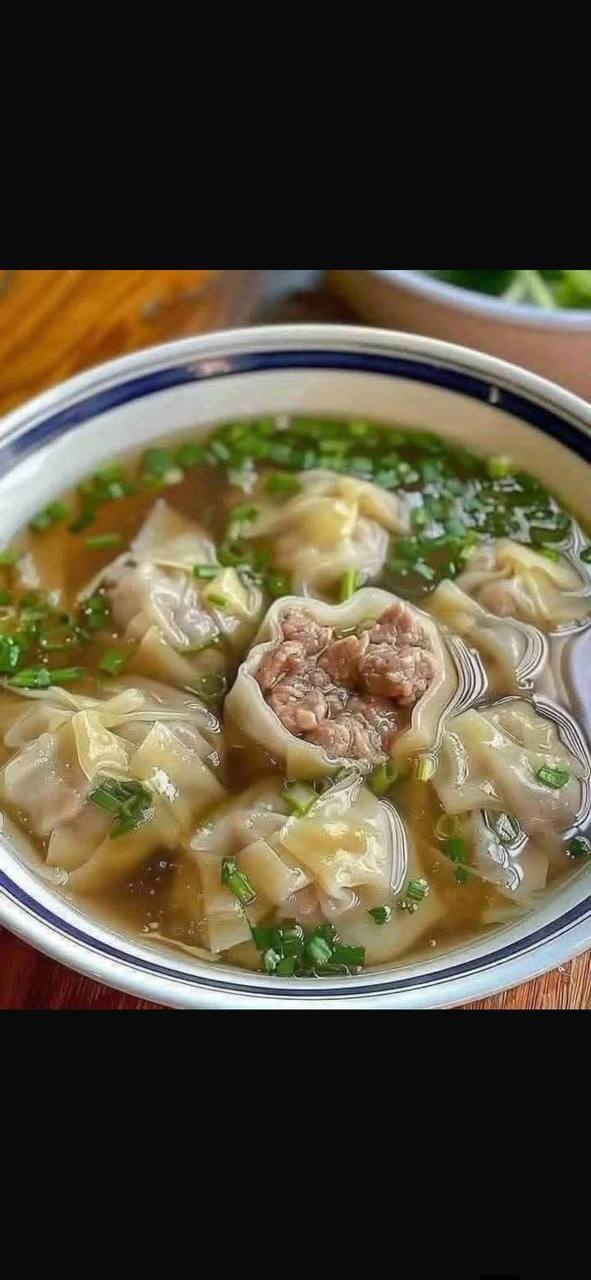
There are few things as universally comforting as a warm bowl of soup, and among the pantheon of beloved broths, Chicken and Wonton Soup reigns supreme for its delicate flavors and satisfying textures. This iconic Asian dish, celebrated across many cultures, perfectly marries the rich, savory depth of a clear chicken broth with the tender, flavorful parcels of wonton. Each spoonful offers a delightful interplay of silky noodles, succulent filling, and aromatic liquid, making it a true balm for the soul, whether you’re seeking comfort on a chilly evening or a light yet fulfilling meal.
What makes Chicken and Wonton Soup so special is its elegant simplicity, masking a surprisingly complex flavor profile. The wontons themselves are tiny masterpieces, typically filled with a seasoned mixture of ground meat, often pork or chicken, sometimes combined with shrimp and fragrant aromatics like ginger and green onion. These delicate dumplings are then gently simmered in a nourishing chicken broth, which can range from a quick, store-bought shortcut to a slow-simmered homemade elixir, each offering its own charm. The result is a harmonious blend that is both light and deeply satisfying, a testament to the art of Asian culinary traditions.
While often enjoyed in restaurants, the beauty of Chicken and Wonton Soup lies in how approachable it is to recreate in your own kitchen. You might be surprised at how easily you can whip up a batch that rivals your favorite takeout, especially when you discover the joy of crafting your own wontons. Even with store-bought wrappers and a ready-made broth, the act of assembling and cooking this soup transforms it into a personal culinary adventure. Get ready to embark on a journey that will fill your home with wonderful aromas and your belly with pure comfort.
Nutritional Information
Per serving (approximate values):
- Calories: 380
- Protein: 30g
- Carbohydrates: 35g
- Fat: 14g
- Fiber: 3g
- Sodium: 950mg
Ingredients
- 8 cups (2 liters) low-sodium chicken broth
- 1 pound (450g) ground chicken or pork
- 1 tablespoon soy sauce
- 1 teaspoon sesame oil
- 1 teaspoon grated fresh ginger
- 2 cloves garlic, minced
- 1/4 cup finely chopped green onions (scallions), plus more for garnish
- 1/4 teaspoon white pepper
- 1 large egg white
- 1 package (about 50-60 count) square wonton wrappers
- 1 cup chopped bok choy or spinach (optional)
- 1 tablespoon vegetable oil (for sautéing, if desired)
- Salt to taste
- Chili oil, for serving (optional)
Instructions
- Prepare the Wonton Filling: In a medium bowl, combine the ground chicken (or pork), soy sauce, sesame oil, grated ginger, minced garlic, 1/4 cup chopped green onions, white pepper, and egg white. Mix well with your hands or a spoon until all ingredients are evenly distributed and the mixture is slightly sticky.
- Set Up Your Wonton Station: Place a small bowl of water next to your cutting board or work surface. Lay out a few wonton wrappers at a time. Keep the remaining wrappers covered with a damp cloth to prevent them from drying out.
- Wrap the Wontons (Classic Fold):
- Place about 1 teaspoon of the filling in the center of each wonton wrapper.
- Dip your finger in water and lightly moisten all four edges of the wrapper.
- Fold the wrapper in half diagonally to form a triangle, pressing out any air around the filling and sealing the edges tightly.
- Moisten one of the bottom corners of the triangle with water. Bring the two bottom corners together, overlapping them slightly, and press firmly to seal, creating a shape resembling a small hat or tortellini.
- Repeat with the remaining filling and wrappers. Place finished wontons on a lightly floured baking sheet to prevent sticking. If not cooking immediately, cover loosely with plastic wrap.
- Prepare the Broth: Pour the chicken broth into a large pot or Dutch oven. Bring it to a gentle simmer over medium heat. If you wish to add extra depth, you can add an extra slice of ginger or a smashed garlic clove to the broth while it simmers, removing them before serving. Taste the broth and add salt if necessary, keeping in mind the wontons will also add flavor.
- Cook the Wontons: Once the broth is simmering gently, carefully drop the wontons into the broth, a few at a time, making sure not to overcrowd the pot. Cook for 3-5 minutes, or until the wontons float to the surface and the filling is cooked through. You may need to cook them in batches. Remove cooked wontons with a slotted spoon and set aside if cooking in batches, or leave them in the pot if serving immediately.
- Add Vegetables (Optional): If using bok choy or spinach, add it to the simmering broth during the last minute or two of cooking the wontons, or after removing them, just until wilted and tender-crisp.
- Serve: Ladle the hot chicken broth, wontons, and any vegetables into individual serving bowls. Garnish generously with freshly chopped green onions. For an extra kick, drizzle with a few drops of chili oil if desired. Serve immediately and enjoy!
Cooking Tips and Variations
Achieving a truly outstanding Chicken and Wonton Soup involves more than just following the steps; it’s about understanding the nuances and personalizing the experience. Here are some tips and variations to elevate your homemade creation.
Broth Brilliance: While store-bought low-sodium chicken broth is a convenient base, enhancing its flavor is key. To deepen the umami, consider simmering the store-bought broth with a few slices of fresh ginger, a couple of smashed garlic cloves, and a dash of white pepper for at least 15-20 minutes before adding the wontons. For an even richer experience, start with homemade chicken stock, made from simmering chicken bones, aromatics, and vegetables for several hours. This will yield a broth with unparalleled depth and clarity. A splash of rice wine vinegar or a squeeze of fresh lime juice at the end can also brighten the flavors.
Wonton Filling Wonders: The filling is where you can truly get creative. While ground chicken or pork is traditional, consider a blend of both for a richer texture. For a seafood twist, finely minced shrimp can be added to the chicken or pork, or used as the sole filling for a delicate flavor. Don’t shy away from aromatics; finely grated water chestnuts or bamboo shoots can add a delightful crunch. A touch of grated carrot or finely shredded cabbage can also increase the vegetable content and add subtle sweetness. Always taste and adjust the seasoning of your raw filling (a tiny cooked portion in the microwave works perfectly for this) before wrapping all the wontons.
Wonton Wrapping Wisdom: The key to a good wonton is a properly sealed wrapper to prevent the filling from escaping. Don’t overfill the wrappers, as this makes sealing difficult. Experiment with different folding techniques beyond the classic triangle-to-hat shape. A simple half-moon fold or a pleated crescent shape are also common and aesthetically pleasing. If you find the wrappers drying out, keep them covered with a damp paper towel. Practice makes perfect, and even imperfectly wrapped wontons will taste delicious!
Freezing for Future Feasts: Wonton making is a perfect activity for batch cooking. To freeze uncooked wontons, arrange them in a single layer on a lightly floured baking sheet, ensuring they don’t touch. Freeze until solid (about 1-2 hours), then transfer the frozen wontons to a freezer-safe bag or airtight container. They can be stored for up to 2-3 months. When ready to cook, simply drop them directly into simmering broth from frozen; they will just need a minute or two longer to cook through.
Don’t Be a Mushy Wonton Maker: The biggest mistake when cooking wontons is overcooking them. They become gummy and lose their delicate texture. Cook them just until they float to the surface and the filling is firm, typically 3-5 minutes for fresh wontons and 5-7 minutes for frozen. Cook in batches if necessary to maintain the broth’s temperature and prevent overcrowding.
Garnish Game Strong: Garnishes are not just for looks; they add crucial layers of flavor and texture. Beyond green onions, consider a drizzle of high-quality toasted sesame oil for a nutty aroma, a sprinkle of toasted sesame seeds for crunch, or a swirl of chili oil for a spicy kick. Fresh cilantro leaves, thinly sliced red chilies, or even a few drops of white vinegar can also elevate the final dish.
Vegetable Variety: Enhance the nutritional value and visual appeal by adding more vegetables. Thinly sliced carrots, snow peas, sliced mushrooms (shiitake or cremini work well), or even a handful of baby spinach can be added to the broth in the last few minutes of cooking. For a heartier soup, consider adding shredded cooked chicken (leftover rotisserie chicken works wonderfully) or thinly sliced firm tofu cubes.
Spice It Up: For those who love heat, incorporate a pinch of red pepper flakes into the wonton filling, or add a few slices of fresh bird’s eye chili to the simmering broth. Serving with a side of sriracha or a homemade chili garlic paste allows everyone to customize their spice level.
By experimenting with these tips and variations, you’ll discover your signature Chicken and Wonton Soup, a dish that’s not just a recipe but a canvas for your culinary creativity.
Storage and Reheating
Proper storage and reheating are crucial for enjoying your homemade Chicken and Wonton Soup for days to come. While the soup is always best fresh, with a little care, you can savor the leftovers without sacrificing too much quality.
Storage: To store leftover Chicken and Wonton Soup, it’s generally best to separate the wontons from the broth if possible. Wontons, especially if they are already cooked and sitting in broth for an extended period, tend to absorb too much liquid and can become mushy. Use a slotted spoon to carefully remove the cooked wontons from the broth and store them in an airtight container in the refrigerator. Store the broth separately in another airtight container. Both the wontons and the broth will keep well in the refrigerator for up to 3-4 days.
If you’ve made a large batch of uncooked wontons, they can be frozen before cooking. Arrange them in a single layer on a lightly floured baking sheet and freeze until solid. Once frozen, transfer them to a freezer-safe bag or container, where they will keep for up to 2-3 months. Cook them directly from frozen in simmering broth, adding a few extra minutes to the cooking time.
Reheating:
- Broth: Gently reheat the broth in a saucepan over medium heat until it comes to a simmer. Avoid boiling vigorously, as this can diminish the delicate flavors.
- Wontons (Separately Stored): If you stored the cooked wontons separately, you have a couple of options for reheating. You can add them directly to the simmering hot broth and let them warm through for 1-2 minutes. Alternatively, if you prefer a slightly crispier texture, you can briefly pan-fry them in a lightly oiled pan until warmed, though this changes their texture from the original soup.
- Wontons (Stored in Broth): If you did store the wontons directly in the broth, gently reheat the entire mixture in a saucepan over low to medium heat, stirring occasionally. Be aware that these wontons will likely be softer than freshly cooked ones.
- Fresh Wontons from Freezer: If you have frozen uncooked wontons, bring the broth to a gentle simmer, then carefully drop the frozen wontons directly into the broth. Cook for 5-7 minutes, or until they float to the surface and are cooked through.
Always taste and adjust seasoning after reheating. A fresh sprinkle of green onions and a drizzle of sesame oil can do wonders to revive the flavors of leftover soup.
Frequently Asked Questions
Can I use store-bought wontons for this recipe?
Absolutely! Using store-bought wontons is a fantastic time-saver and makes this recipe even quicker and easier. Many Asian grocery stores and even some larger supermarkets carry pre-made fresh or frozen wontons. If using frozen, you can usually cook them directly from frozen in the simmering broth; just follow the package instructions for cooking time, which is typically a few minutes longer than fresh.
What if I don’t have fresh ginger or garlic?
While fresh ginger and garlic offer the best flavor, you can use substitutes in a pinch. For ginger, use 1/4 teaspoon of ground ginger powder for every 1 teaspoon of fresh grated ginger. For garlic, use 1/2 teaspoon of garlic powder for every 2 cloves of fresh minced garlic. However, be aware that the flavor profile will be slightly different, as the fresh aromatics provide a brighter, more pungent taste.
How can I make this soup vegetarian or vegan?
To make the soup vegetarian, substitute the chicken broth with a good quality vegetable broth. For the wonton filling, replace the ground chicken with finely minced firm tofu, crumbled tempeh, or a mixture of finely chopped mushrooms (like shiitake or cremini), water chestnuts, carrots, and cabbage. Ensure you season the vegetable filling well with soy sauce, sesame oil, ginger, garlic, and a touch of mushroom powder for umami. Omit the egg white in the filling or use a flax egg substitute if needed for binding.
My wontons are falling apart in the broth. What went wrong?
There are a few reasons why wontons might fall apart. The most common cause is not sealing the edges of the wrapper tightly enough, allowing the filling to escape. Ensure you moisten the edges well with water and press firmly to create a strong seal, expelling any air bubbles. Another reason could be overfilling the wrappers, which makes it difficult to seal them properly. Lastly, overcooking the wontons or cooking them in a broth that is boiling too vigorously can also cause them to break apart. Ensure the broth is at a gentle simmer, not a rolling boil.