

Introduction
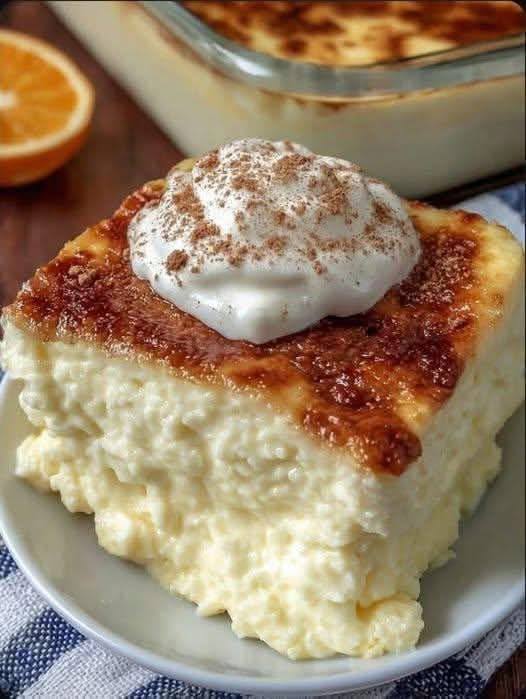
Step into a world of comforting tradition with our Silky Amish Baked Custard. This isn’t just any dessert; it’s a testament to the beauty of simplicity, a dish that whispers of cherished family recipes and wholesome ingredients. Imagine a spoonful of pure bliss: a custard so incredibly smooth it melts in your mouth, its creamy texture perfectly complemented by a delicate, caramelized top. This humble yet elegant dessert, deeply rooted in Amish culinary heritage, offers a surprisingly sophisticated experience for such an easy-to-make treat. It’s the kind of dish that brings warmth to your soul, perfect for a cozy evening or a celebratory gathering.
What makes this baked custard truly special is its unparalleled silkiness. Unlike some custards that can be dense or overly firm, the Amish approach prioritizes a luxurious, almost ethereal consistency. Each bite is a harmonious blend of rich dairy, sweet sugar, and the comforting aroma of vanilla, often kissed with a hint of warm spice like nutmeg or cinnamon. While the ingredients are few and straightforward, the magic lies in the gentle baking process, often utilizing a water bath to ensure even cooking and prevent curdling, resulting in that coveted, delicate texture. The caramelized top adds a delightful contrast, providing a subtle bitterness and an inviting golden hue that makes this dessert as visually appealing as it is delicious.
This recipe is more than just a collection of ingredients and steps; it’s an invitation to connect with a culinary tradition that values quality, simplicity, and family. Whether you’re a seasoned baker or a novice in the kitchen, you’ll find this Silky Amish Baked Custard remarkably forgiving and incredibly rewarding. Serve it warm, perhaps with a dollop of freshly whipped cream and a sprinkle of extra spice, or chilled for a refreshing end to any meal. Its timeless appeal and comforting nature make it an instant classic in any home, proving that sometimes, the simplest recipes yield the most profound culinary experiences.
Nutritional Information
Per serving (approximate values):
- Calories: 320 kcal
- Protein: 10g
- Carbohydrates: 35g
- Fat: 16g
- Fiber: 0g
- Sodium: 120mg
Ingredients
- 4 large eggs
- 1/2 cup granulated sugar
- 1/4 teaspoon salt
- 2 cups whole milk (or half-and-half for extra richness)
- 1 teaspoon pure vanilla extract
- Freshly grated nutmeg or ground cinnamon, for sprinkling
- Optional: Whipped cream and orange zest for garnish
Instructions
- Preheat your oven to 325°F (160°C). Find a baking dish large enough to hold four 6-ounce ramekins or custard cups, with space for a water bath.
- In a large bowl, gently whisk together the eggs, granulated sugar, and salt until just combined. Be careful not to over-whisk and incorporate too much air, as this can lead to a less smooth custard.
- In a separate saucepan, heat the whole milk over medium heat until it is hot but not boiling. You’ll see small bubbles forming around the edges of the pan.
- Slowly temper the hot milk into the egg mixture. To do this, gradually pour a thin stream of hot milk into the egg mixture while continuously whisking. This prevents the eggs from scrambling. Once about half of the milk has been added, you can pour the remaining milk in more quickly, still whisking.
- Stir in the pure vanilla extract.
- For an exceptionally silky custard, strain the mixture through a fine-mesh sieve into a clean bowl or directly into your ramekins. This step removes any tiny bits of cooked egg or chalazae, ensuring a perfectly smooth texture.
- Divide the custard mixture evenly among the four 6-ounce ramekins or custard cups.
- Place the filled ramekins into the larger baking dish. Carefully pour hot water into the baking dish, coming about halfway up the sides of the ramekins. This creates a water bath (bain-marie), which helps the custard cook gently and evenly, preventing it from cracking and ensuring a silky texture.
- Carefully transfer the baking dish with the ramekins and water bath to the preheated oven.
- Bake for 45-60 minutes, or until the custards are set around the edges but still slightly wobbly in the center when gently shaken. The cooking time can vary depending on your oven and the depth of your ramekins.
- Once baked, carefully remove the baking dish from the oven. Using tongs or oven mitts, carefully remove the ramekins from the water bath and place them on a wire rack to cool completely.
- Once cooled, you can serve the custard warm or chilled. For the traditional caramelized top, you can gently broil the custard for 1-2 minutes, watching carefully to prevent burning, or use a kitchen torch.
- Before serving, sprinkle with freshly grated nutmeg or ground cinnamon. Optionally, garnish with a dollop of whipped cream and a twist of orange zest.
Cooking Tips and Variations
To achieve that truly silky texture, straining the custard mixture through a fine-mesh sieve before baking is a non-negotiable step. This removes any potential lumps or tiny bits of cooked egg, ensuring a perfectly smooth mouthfeel. Another crucial tip is to avoid over-baking; the custard should still have a slight jiggle in the center when removed from the oven, as it will continue to set as it cools. The water bath is your best friend here, providing a gentle, even heat that prevents the edges from overcooking and cracking.
For variations, consider experimenting with different flavor extracts. Almond extract can add a lovely nutty note, while a touch of lemon zest in the mixture can brighten the flavor profile. If you’re feeling adventurous, you could even add a tablespoon of instant coffee granules to the milk for a coffee-infused custard. For a fruity twist, place a few fresh berries (like raspberries or blueberries) or thinly sliced peaches at the bottom of the ramekins before pouring in the custard mixture. The fruit will soften and release its juices, adding a wonderful contrast to the creamy custard. Don’t be afraid to play with spices too; a pinch of cardamom or allspice can add an exotic warmth. To tell when your custard is done, gently shake a ramekin; the edges should be set, but the center should still have a slight, soft wobble. An inserted knife near the edge should come out clean, but a knife inserted into the center may still have some moist custard clinging to it.
Storage and Reheating
Once your Silky Amish Baked Custard has cooled completely, cover each ramekin tightly with plastic wrap or transfer the custards to an airtight container. They will keep beautifully in the refrigerator for up to 3-4 days. While they can be enjoyed warm, many find the texture and flavor even more delightful when chilled, as it allows the flavors to fully meld and the custard to firm up to its ideal silky consistency. For serving, simply remove from the refrigerator about 15-20 minutes before you plan to eat to let it lose a bit of its chill, or serve directly from the fridge.
Reheating baked custard is generally not recommended, as heat can alter its delicate texture, potentially making it rubbery or causing it to separate. This is a dessert best enjoyed either at room temperature or chilled. Freezing is also not advised for baked custard. The high water content in the custard can cause ice crystals to form, which will break down the emulsion and result in a grainy, watery texture upon thawing. Stick to refrigeration for storage and enjoy within a few days for the best experience.
Frequently Asked Questions
What makes this custard “Amish”?
Amish cooking traditions emphasize simple, wholesome ingredients and straightforward techniques that produce comforting, delicious results. Amish baked custard, in particular, is known for its pure dairy flavor, minimal embellishments, and often a perfectly set, silky texture, reflecting the values of quality and tradition found in Amish kitchens. It’s a classic example of their reliance on pantry staples to create something truly special.
Can I use milk alternatives for this recipe?
While whole milk or half-and-half is traditional and provides the best richness and texture, you can experiment with milk alternatives. Full-fat coconut milk can work well for a dairy-free option, offering a creamy texture and a subtle coconut flavor. Other plant-based milks like almond or oat milk may yield a slightly thinner custard, but can still be used. Be aware that the texture and flavor will be different from the classic version.
How do I prevent my custard from cracking on top?
The key to preventing cracks is to cook the custard gently and evenly, which is precisely what the water bath (bain-marie) accomplishes. The water bath insulates the ramekins, preventing the edges from cooking too quickly or drying out. Additionally, avoid over-baking; remove the custards from the oven when they still have a slight wobble in the center. Rapid temperature changes can also cause cracks, so allow the custards to cool gradually on a wire rack after removing them from the water bath.
What’s the best way to get a caramelized top without a torch?
If you don’t have a kitchen torch, you can achieve a beautiful caramelized top by using your oven’s broiler. After the custard has cooled, sprinkle a thin, even layer of granulated sugar over the top of each custard. Place the custards on a baking sheet and put them under a preheated broiler for 1-2 minutes. Watch them very carefully, as sugar can burn quickly. The goal is a bubbly, golden-brown crust, not a black one. Remove immediately once desired caramelization is achieved.