

Introduction
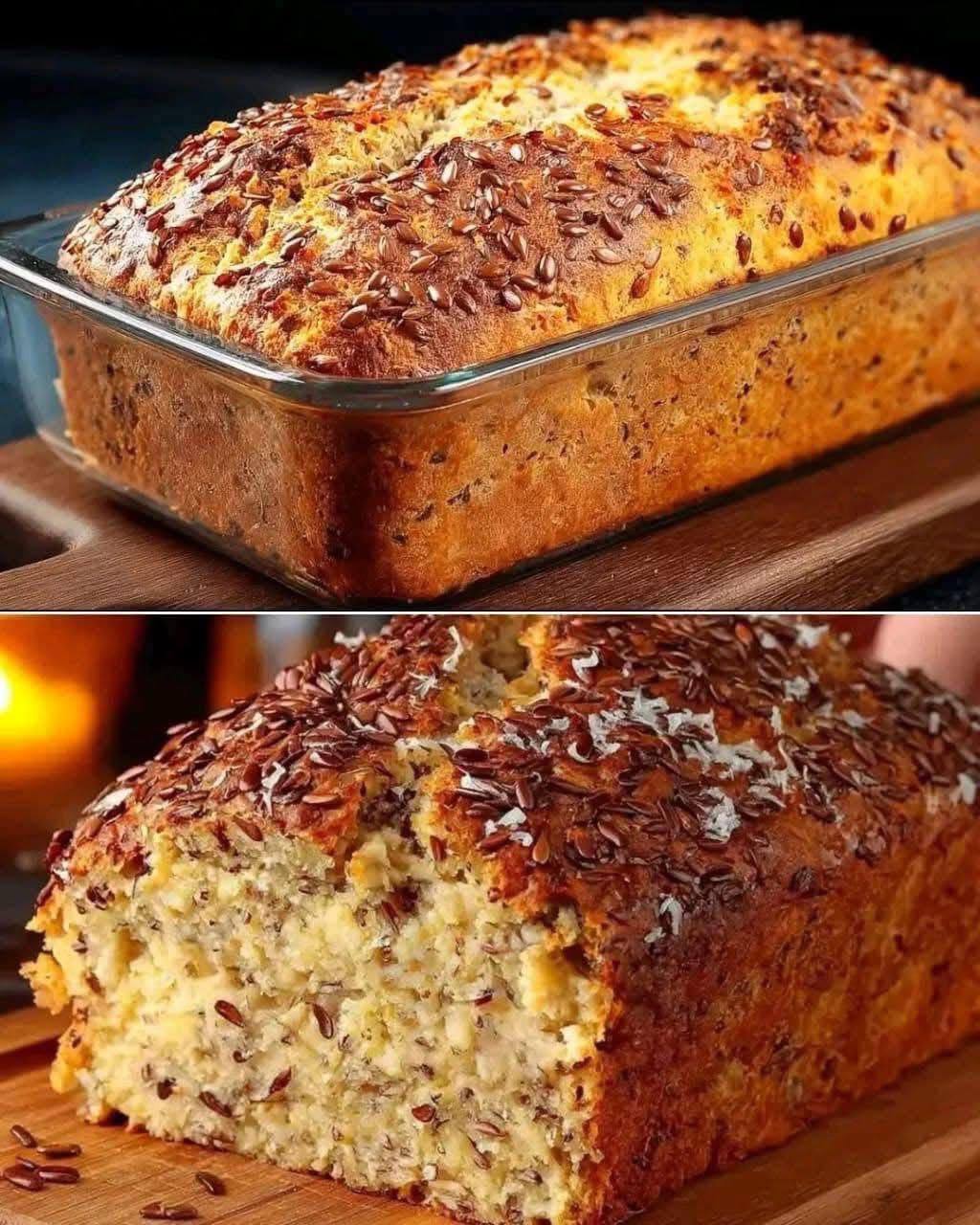
There’s nothing quite like the comforting aroma of freshly baked bread wafting through your home. And when that bread is incredibly moist, tender, and crowned with a delightful crunch of seeds, it’s pure magic. This isn’t just any loaf bread; it’s a seed-topped masterpiece that promises a satisfying texture and a burst of wholesome flavor in every bite. Forget dry, crumbly store-bought options; this recipe will guide you to baking a loaf so good, you’ll wonder why you ever bought bread from anywhere else.
This particular loaf stands out for its exceptional moisture, a quality often elusive in homemade bread. We achieve this through a careful selection of ingredients and a simple technique that locks in hydration, ensuring each slice is soft and tender from crust to crumb. The generous sprinkling of seeds on top, particularly flax seeds, not only adds a beautiful visual appeal but also contributes a lovely nutty flavor and a delightful textural contrast. It’s a bread that feels both rustic and refined, perfect for any occasion.
Whether you’re looking for a hearty breakfast option, a wholesome base for your favorite sandwiches, or a simple yet elegant accompaniment to your dinner, this moist seed-topped loaf bread is incredibly versatile. It’s surprisingly easy to make, even for novice bakers, and the reward of biting into a slice of your own homemade creation is truly unparalleled. Get ready to impress your taste buds and those of your loved ones with this simple yet profoundly satisfying recipe.
Nutritional Information
Per serving (approximate values):
- Calories: 220
- Protein: 7g
- Carbohydrates: 35g
- Fat: 6g
- Fiber: 4g
- Sodium: 300mg
Ingredients
- 2 cups (240g) All-Purpose Flour
- 1 cup (120g) Whole Wheat Flour
- 1 tablespoon Granulated Sugar
- 1 teaspoon Salt
- 1 packet (7g or 2 1/4 teaspoons) Active Dry Yeast
- 1 1/2 cups (360ml) Warm Water (105-115°F / 40-46°C)
- 2 tablespoons Olive Oil, plus more for greasing
- 1/4 cup Flax Seeds, divided (2 tablespoons for dough, 2 tablespoons for topping)
- 1 tablespoon Sesame Seeds (for topping)
- 1 tablespoon Poppy Seeds (for topping)
Instructions
- In a large mixing bowl, combine the warm water, granulated sugar, and active dry yeast. Stir gently and let it sit for 5-10 minutes until the mixture becomes foamy. This indicates the yeast is active.
- Add the olive oil, salt, all-purpose flour, whole wheat flour, and 2 tablespoons of flax seeds to the yeast mixture.
- Using a wooden spoon or a stand mixer with a dough hook attachment, mix the ingredients until a shaggy dough forms. Continue mixing for about 5-7 minutes until the dough is smooth and elastic. If mixing by hand, turn the dough out onto a lightly floured surface and knead for 8-10 minutes. The dough should be slightly sticky but manageable.
- Lightly grease a clean large bowl with olive oil. Place the dough in the bowl, turning it once to coat the top. Cover the bowl with plastic wrap or a clean kitchen towel and let it rise in a warm place for 1 to 1.5 hours, or until doubled in size.
- Once the dough has doubled, gently punch it down to release the air.
- Lightly grease a 9×5-inch (23×13 cm) loaf pan.
- On a lightly floured surface, gently shape the dough into a loaf shape that fits your pan. You can do this by flattening the dough into a rectangle and then rolling it tightly from one long side to the other, pinching the seam closed.
- Place the shaped dough into the prepared loaf pan.
- In a small shallow dish, combine the remaining 2 tablespoons of flax seeds, sesame seeds, and poppy seeds.
- Lightly brush the top of the dough in the pan with a little water. This will help the seeds adhere.
- Sprinkle the mixed seeds generously over the top of the dough, gently pressing them down so they stick.
- Cover the loaf pan with plastic wrap or a clean kitchen towel and let it rise again in a warm place for another 30-45 minutes, or until it has nearly doubled in size and looks puffy.
- Preheat your oven to 375°F (190°C) during the last 15 minutes of the second rise.
- Bake the bread for 30-35 minutes, or until the crust is golden brown and the internal temperature reaches 200-210°F (93-99°C) when measured with an instant-read thermometer.
- If the top is browning too quickly, you can loosely tent the loaf with aluminum foil during the last 10-15 minutes of baking.
- Once baked, carefully remove the bread from the oven and immediately turn it out onto a wire rack to cool completely. This is crucial for preventing a soggy bottom and ensuring the bread sets properly.
- Allow the bread to cool for at least 1-2 hours before slicing and serving. Slicing warm bread can result in a gummy texture.
Cooking Tips and Variations
To ensure your moist seed-topped loaf bread turns out perfectly every time, pay close attention to the temperature of your water when activating the yeast; it should be warm to the touch but not hot, ideally between 105-115°F (40-46°C). Water that’s too hot will kill the yeast, and water that’s too cold won’t activate it properly, leading to a dense loaf. Don’t rush the rising process; allowing the dough to double in size during both rises is essential for a light and airy texture. For an extra moist crumb, you can substitute some of the water with milk or buttermilk. If you prefer a richer flavor, consider adding a tablespoon of honey or maple syrup to the dough along with the sugar. For those who love a bit of tang, a quarter cup of sourdough starter discard can be incorporated, though this might slightly alter the rise time. Feel free to experiment with different seed combinations on top; sunflower seeds, pumpkin seeds, or even a sprinkle of rolled oats can add a unique twist. You can also mix different types of seeds directly into the dough for added texture throughout the loaf. For a gluten-free version, substitute the all-purpose and whole wheat flours with a good quality gluten-free bread flour blend, ensuring it contains xanthan gum for structure. Always check the package instructions for gluten-free flour blends as they sometimes require slight adjustments to liquid ratios. If you enjoy a slightly sweet bread, consider adding a handful of dried cranberries or raisins during the mixing stage. For a savory loaf, dried herbs like rosemary or thyme can be kneaded into the dough, complementing the nutty flavor of the seeds beautifully. Baking in a humid environment can sometimes affect rise times, so if your kitchen is particularly dry, you might need to extend the rising periods slightly. Conversely, in very humid conditions, the dough might rise faster. The internal temperature is the most reliable indicator of doneness, so invest in an instant-read thermometer for perfect results every time. If you notice the crust browning too quickly, tenting with foil is a simple trick to prevent over-browning while the interior finishes baking.
Storage and Reheating
To maintain the wonderful moisture and freshness of your seed-topped loaf bread, proper storage is key. Once the bread has completely cooled, which is crucial to prevent condensation and sogginess, store it at room temperature in an airtight container or a bread bag. A clean linen or cotton towel wrapped around the loaf before placing it in a bag can also help absorb excess moisture and keep the crust from becoming too soft. Avoid refrigerating homemade bread as it tends to dry out much faster in the cold environment. Stored properly at room temperature, your loaf should remain fresh and delicious for 3-4 days. For longer storage, this bread freezes beautifully. Slice the cooled loaf and arrange the slices in a single layer on a baking sheet to flash freeze for about an hour. Once firm, transfer the frozen slices to a freezer-safe bag or container, removing as much air as possible to prevent freezer burn. This way, you can easily grab a slice or two as needed. The bread will keep well in the freezer for up to 3 months. To reheat individual slices, you can pop them directly into a toaster until warmed through and lightly toasted. For a whole loaf or larger portions, thaw the bread at room temperature for a few hours, then warm it in a preheated oven at 300°F (150°C) for 10-15 minutes, or until heated through. This gentle reheating method helps to revive the crust and warm the interior without drying it out. You can also lightly mist the loaf with water before reheating for an even softer crust. Avoid microwaving bread to reheat it, as this can make it tough and chewy. Always allow the bread to cool completely after baking before storing or freezing to preserve its texture and prevent moisture issues.
Frequently Asked Questions
Why is my bread dense and not rising properly?
A dense loaf often indicates issues with the yeast. Ensure your yeast is active by checking if it foams when mixed with warm water and sugar. If it doesn’t foam, your yeast might be old or dead. Also, make sure your water isn’t too hot (which kills yeast) or too cold (which inhibits activation). Over-kneading or under-kneading can also affect the texture; aim for a dough that feels smooth and elastic. Finally, ensure your rising environment is warm enough, typically around 75-80°F (24-27°C), as a cold room will slow down or prevent proper rising.
Can I use different types of flour?
Absolutely! This recipe uses a blend of all-purpose and whole wheat flour for a balance of texture and nutrition, but you can certainly experiment. For a lighter loaf, you can use all all-purpose flour. For a heartier, more nutritious bread, you can increase the proportion of whole wheat flour, though you might need to add a touch more water as whole wheat flour absorbs more liquid. You can also incorporate other flours like spelt or bread flour. Keep in mind that different flours absorb liquid differently, so you might need to adjust the water slightly to achieve the desired dough consistency.
How do I prevent the seeds from falling off the top?
The key to making the seeds stick is to create a slightly tacky surface on the dough before sprinkling them on. Lightly brushing the top of the shaped dough with a little water or a beaten egg wash before adding the seeds helps them adhere much better. Gently pressing the seeds into the dough after sprinkling them also ensures they stay put during baking. If you’re having persistent trouble, you can also mix a small amount of the seeds directly into the dough itself, reserving a portion for the topping.
My bread is dry. What went wrong?
Several factors can lead to dry bread. Over-baking is a common culprit; always bake until the internal temperature reaches 200-210°F (93-99°C) and no longer. Too much flour in the dough can also result in a dry loaf, so measure accurately, preferably by weight. Ensure your dough isn’t too stiff during the mixing stage; it should be slightly sticky. Lastly, proper storage after baking is crucial. Letting the bread cool completely on a wire rack and then storing it in an airtight container at room temperature will help retain its moisture. Avoid refrigerating homemade bread as it can dry it out quickly.