

Introduction
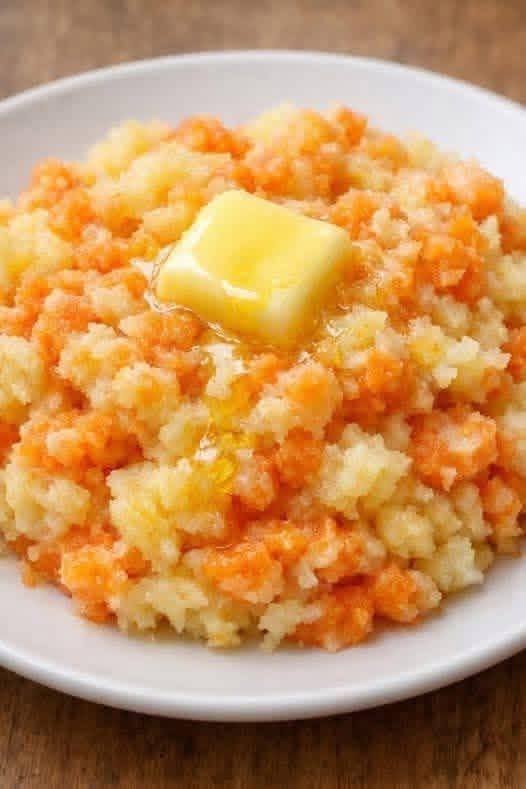
There are few things as comforting and satisfying as a creamy, flavorful mash. But what if you could achieve that perfect texture and incredible depth of flavor with minimal effort? Enter our Slow Cooker Carrot and Potato Mash! This recipe takes two humble root vegetables and transforms them into a luxurious side dish, all thanks to the magic of your slow cooker. It’s the ultimate set-it-and-forget-it solution for a busy weeknight or a relaxed weekend meal, delivering a velvety smooth mash that’s bursting with natural sweetness from the carrots and the hearty earthiness of potatoes.
This dish isn’t just easy; it’s a revelation in flavor and convenience. The slow cooking process allows the carrots and potatoes to gently simmer, absorbing all the delicious seasonings and becoming incredibly tender without ever getting waterlogged. The result is a mash that’s naturally sweet, subtly savory, and incredibly rich, especially when finished with a generous knob of butter. It’s a versatile side that pairs beautifully with everything from a classic roast chicken or succulent pork loin to a hearty beef stew or even as a comforting vegetarian main course.
Forget the endless boiling, draining, and vigorous mashing. With this slow cooker method, you’ll achieve a consistently perfect mash every time. It’s a fantastic way to add more vegetables to your diet, and the vibrant color of the carrots makes it an attractive addition to any plate. Get ready to elevate your side dish game with minimal fuss and maximum flavor!
Nutritional Information
Per serving (approximate values):
- Calories: 230
- Protein: 4g
- Carbohydrates: 35g
- Fat: 9g
- Fiber: 5g
- Sodium: 280mg
Ingredients
- 2 lbs Yukon Gold or Russet potatoes, peeled and cut into 1-inch chunks
- 1 lb carrots, peeled and cut into 1-inch chunks
- 1 cup vegetable broth or water
- 4 tablespoons unsalted butter, cut into cubes, plus extra for serving
- 1/2 teaspoon salt, or to taste
- 1/4 teaspoon black pepper, or to taste
- 1/4 teaspoon garlic powder
- Pinch of nutmeg (optional)
- 1/4 cup milk or cream (optional, for extra creaminess)
- Fresh parsley or chives, chopped, for garnish (optional)
Instructions
- Prepare the vegetables: Peel the potatoes and carrots. Cut them into roughly 1-inch uniform chunks. This ensures even cooking.
- Load the slow cooker: Place the chopped potatoes and carrots into the bottom of your 6-quart (or larger) slow cooker.
- Add liquid and seasonings: Pour the vegetable broth or water over the vegetables. Sprinkle with salt, black pepper, and garlic powder. If using, add a pinch of nutmeg.
- Cook: Cover the slow cooker and cook on LOW for 6-8 hours, or on HIGH for 3-4 hours, until the vegetables are fork-tender. The cooking time can vary based on your slow cooker model and the size of your vegetable chunks.
- Drain (optional): Once cooked, carefully drain any excess liquid from the slow cooker, reserving about 1/4 cup. You might not need to drain much if you used only 1 cup of liquid.
- Mash: Add the cubed butter to the cooked vegetables in the slow cooker. Using a potato masher, mash the vegetables until smooth and creamy. For an extra smooth consistency, you can use an immersion blender or transfer the mixture to a food processor in batches (be careful, as it will be hot).
- Adjust consistency and flavor: If desired, add the milk or cream and continue mashing or stirring until incorporated and the mash reaches your preferred consistency. If the mash is too thick, add a tablespoon or two of the reserved cooking liquid until it’s just right. Taste and adjust seasonings (salt, pepper) as needed.
- Serve: Transfer the Slow Cooker Carrot and Potato Mash to a serving bowl. Garnish with fresh parsley or chives, if using, and a pat of butter, if desired. Serve warm.
Cooking Tips and Variations
For the best results, always cut your potatoes and carrots into uniform sizes. This ensures they cook evenly and become tender at the same rate, preventing some pieces from being undercooked while others are mushy. If you prefer a richer flavor, you can use chicken broth instead of vegetable broth or water. A splash of full-fat coconut milk can also be used for a dairy-free, subtly tropical twist.
To achieve an incredibly smooth mash without lumps, consider using a potato ricer after the vegetables are cooked. Simply pass the cooked vegetables through the ricer directly into the slow cooker, then add your butter and seasonings. An immersion blender also works wonders for a silky texture, but be careful not to over-blend, as this can sometimes make the mash gummy.
Don’t be afraid to experiment with other root vegetables! Parsnips or sweet potatoes can be added in alongside the carrots and potatoes for a more complex flavor profile. For an aromatic boost, add a finely minced clove of garlic or a teaspoon of onion powder along with the other seasonings. Fresh herbs like rosemary or thyme sprigs can be added to the slow cooker during cooking and then removed before mashing, infusing the dish with their earthy notes. For a vibrant, herbaceous finish, stir in some fresh chopped chives or dill right before serving.
If you’re looking to make this recipe vegan, simply swap the dairy butter for a high-quality plant-based butter and use a non-dairy milk alternative like unsweetened almond or oat milk instead of regular milk or cream. The natural sweetness of the carrots and the richness from the plant-based butter will still create a wonderfully satisfying dish.
To prevent your mash from becoming watery, especially if your slow cooker tends to produce a lot of condensation, you can place a clean kitchen towel under the lid during the last hour of cooking. This will absorb excess moisture. Alternatively, if you find your mash is too thin after mashing, you can cook it on high with the lid ajar for a short period, stirring occasionally, to allow some of the moisture to evaporate.
Storage and Reheating
This Slow Cooker Carrot and Potato Mash is fantastic for meal prepping due to its excellent storage capabilities. To store leftovers, allow the mash to cool completely to room temperature before transferring it to an airtight container. It can be safely refrigerated for up to 3-4 days. For longer storage, this mash freezes remarkably well. Place the cooled mash in freezer-safe containers or heavy-duty freezer bags, removing as much air as possible to prevent freezer burn. It can be stored in the freezer for up to 3 months.
When you’re ready to enjoy your leftovers, there are several convenient reheating methods. If reheating from the refrigerator, you can gently warm the mash in a saucepan over medium-low heat, stirring frequently, until heated through. If it seems a little dry, add a splash of milk, cream, or vegetable broth to restore its creamy texture. You can also reheat individual portions in the microwave; cover the dish and heat in 1-minute intervals, stirring between each, until hot.
For frozen mash, it’s best to thaw it overnight in the refrigerator before reheating. Once thawed, follow the same reheating instructions as for refrigerated mash. If you need to reheat from frozen, you can do so in a saucepan over low heat, stirring very frequently and adding liquid as needed, though this method takes longer and requires more attention to prevent scorching.
Frequently Asked Questions
Can I use different types of potatoes for this recipe?
Yes, you can! While Yukon Gold and Russet potatoes are recommended for their creamy texture when mashed, you can certainly experiment with other varieties. Red potatoes or new potatoes can be used, though they tend to result in a slightly waxier mash. Avoid overly starchy potatoes if you prefer a smoother consistency, as they can sometimes become gummy when over-mashed.
How can I make this mash even creamier?
To achieve an extra-creamy mash, there are a few tricks. First, ensure you’re using generous amounts of butter. You can also increase the amount of milk or cream you add during the mashing process. For a truly decadent mash, use heavy cream instead of milk. Another tip is to use a potato ricer or an immersion blender to eliminate any lumps and create a luxuriously smooth texture.
What if my mash is too watery after cooking?
If your mash turns out too watery, it’s likely due to excess moisture from the slow cooker or the vegetables. To fix this, you can drain more of the liquid before mashing. After mashing, if it’s still too thin, you can return the mash to the slow cooker (uncovered) and cook on high for an additional 15-30 minutes, stirring occasionally, to allow some of the excess moisture to evaporate. Another option is to stir in a tablespoon of potato flakes or a small amount of cornstarch slurry (cornstarch mixed with a little cold water) to help thicken it, though this can sometimes alter the texture slightly.