

Introduction
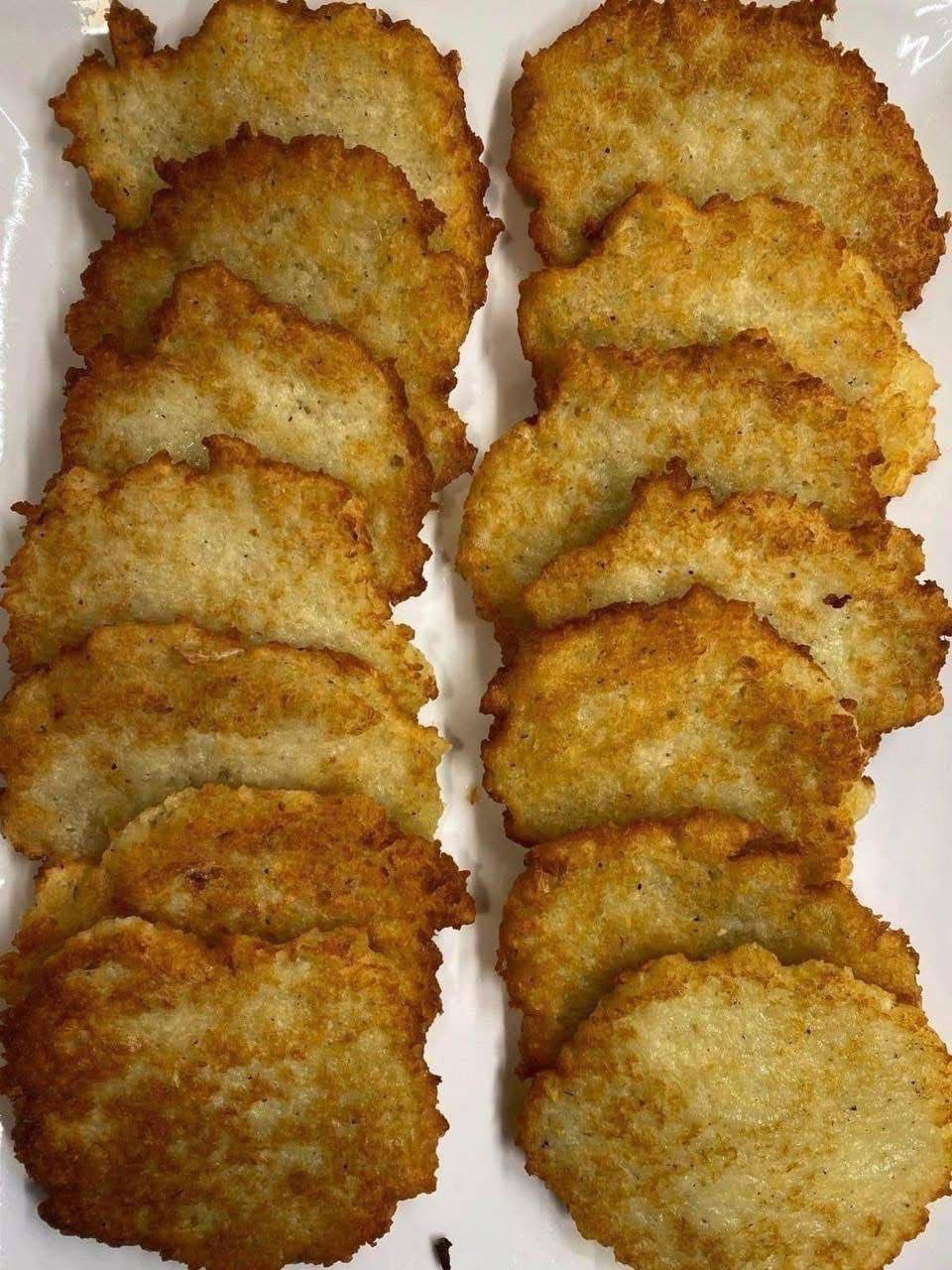
There are few culinary delights as universally comforting and satisfying as a perfectly executed potato pancake. Crispy on the outside, tender and fluffy on the inside, and boasting that irresistible golden-brown hue, these humble creations transcend mere side dish status to become a star in their own right. Whether you know them as latkes, Kartoffelpuffer, or simply potato pancakes, their appeal is undeniable, bringing warmth and joy to any table. This recipe isn’t just about frying grated potatoes; it’s about mastering the art of the perfect texture, the ideal flavor balance, and achieving that coveted crispness that makes every bite a revelation.
For generations, potato pancakes have graced breakfast tables, holiday feasts, and casual weeknight dinners alike. They are a testament to how simple ingredients can be transformed into something truly extraordinary with just a little technique and a lot of love. But achieving that “perfect” status isn’t always straightforward. Many have wrestled with soggy centers, greasy exteriors, or pancakes that fall apart in the pan. Fear not! This guide is meticulously crafted to demystify the process, providing you with all the secrets to consistently create potato pancakes that are not just good, but truly phenomenal.
Forget everything you thought you knew about difficult potato pancake recipes. We’re going to dive deep into the essential steps, from selecting the right potato to the crucial art of moisture removal, and the perfect frying technique. By the end, you’ll be armed with the knowledge and confidence to whip up a batch of these golden discs that will impress everyone, including yourself. Get ready to embark on a delicious journey to potato pancake perfection!
Nutritional Information
Per serving (approximate values):
- Calories: 220
- Protein: 4g
- Carbohydrates: 25g
- Fat: 12g
- Fiber: 3g
- Sodium: 300mg
Ingredients
- 2 lbs Russet potatoes (about 3-4 medium-sized potatoes)
- 1 medium yellow onion, peeled
- 2 large eggs, lightly beaten
- 1/4 cup all-purpose flour (or gluten-free all-purpose flour blend)
- 1 teaspoon salt
- 1/2 teaspoon black pepper
- 1/4 teaspoon baking powder (optional, for extra fluffiness)
- 1/2 cup vegetable oil, canola oil, or grapeseed oil, for frying (plus more as needed)
- Sour cream, for serving
- Applesauce, for serving
- Fresh chives or dill, chopped, for garnish (optional)
Instructions
- Prepare the Potatoes and Onion: Begin by thoroughly washing and peeling the Russet potatoes. Using the coarse side of a box grater or a food processor with a grating attachment, grate the potatoes. Immediately grate the onion as well.
- Remove Excess Moisture (Crucial Step!): This is the most critical step for crispy potato pancakes. Place the grated potatoes and onion into a large, clean kitchen towel or several layers of cheesecloth. Gather the edges of the towel and twist firmly, squeezing out as much liquid as humanly possible. You’ll be surprised by how much water comes out! The drier your potato mixture, the crispier your pancakes will be. Discard the liquid.
- Combine Ingredients: Transfer the squeezed potato and onion mixture to a large mixing bowl. Add the lightly beaten eggs, all-purpose flour, salt, black pepper, and baking powder (if using). Mix everything together thoroughly with a spoon or your hands until well combined. Do not overmix, but ensure all ingredients are evenly distributed.
- Heat the Oil: Pour about 1/2 inch of your chosen frying oil into a large, heavy-bottomed skillet (cast iron works wonderfully) over medium-high heat. Heat the oil until it shimmers and a small drop of water sizzles vigorously when flicked into it. The ideal temperature is around 350-375°F (175-190°C).
- Form and Fry the Pancakes: Using a 1/4 cup measuring cup or a large spoon, scoop a portion of the potato mixture. Gently flatten it into a disc about 1/2 inch thick. Carefully place the pancake into the hot oil. Do not overcrowd the pan; fry in batches to maintain the oil temperature and ensure even browning. Leave enough space between each pancake.
- Cook Until Golden Brown: Fry for 4-6 minutes per side, or until deeply golden brown and crispy. The exact time will depend on the heat of your oil and the thickness of your pancakes. You want them to be cooked through and have a beautiful, crunchy crust.
- Drain and Keep Warm: Once cooked, use a slotted spoon or spatula to transfer the potato pancakes to a wire rack set over a baking sheet lined with paper towels. This allows excess oil to drain off and helps keep them crispy. If making multiple batches, you can keep the cooked pancakes warm in a preheated oven at 200°F (95°C) while you finish frying the rest.
- Serve Immediately: Serve the perfect potato pancakes hot, accompanied by generous dollops of sour cream and applesauce. Garnish with fresh chives or dill, if desired.
Cooking Tips and Variations
Achieving potato pancake perfection is all about understanding a few key principles and being open to delicious variations.
- The Moisture is Your Enemy: We cannot stress this enough. The number one reason for soggy potato pancakes is insufficient moisture removal. Wring out those potatoes and onions like your life depends on it! A salad spinner can also help after grating, before the towel squeeze.
- Potato Choice Matters: Russet potatoes are highly recommended due to their high starch content, which contributes to a crispy exterior and fluffy interior. Waxy potatoes (like Yukon Gold or red potatoes) can be used for a slightly different texture, but may yield a less crispy result.
- Don’t Be Afraid of the Oil: Potato pancakes need enough hot oil to fry properly. If the oil isn’t hot enough, the pancakes will absorb too much oil and become greasy. If it’s too hot, they’ll burn before cooking through. Adjust your heat as needed between batches.
- Seasoning is Key: Don’t skimp on the salt and pepper. Potatoes love seasoning. You can also add a pinch of garlic powder or onion powder to the mixture for an extra layer of flavor.
- Batch Cooking for Best Results: Resist the urge to cram too many pancakes into the pan at once. Overcrowding lowers the oil temperature, leading to greasy and pale pancakes. Fry in small batches and be patient.
- Sweet Potato Pancakes: For a delightful twist, substitute half or all of the Russet potatoes with grated sweet potatoes. You might want to add a pinch of cinnamon or nutmeg to complement the sweetness.
- Herby Pancakes: Incorporate finely chopped fresh herbs like parsley, chives, or dill directly into the potato mixture for an aromatic boost.
- Cheesy Pancakes: Mix in a quarter cup of shredded sharp cheddar or Parmesan cheese with the potato mixture for a savory, cheesy version.
- Spicy Kick: Add a pinch of cayenne pepper or a finely minced jalapeño to the mixture for a bit of heat.
- Binding Alternatives: If you prefer to avoid flour, you can use matzo meal, potato starch, or even finely ground breadcrumbs as a binder. The goal is just enough to hold the mixture together.
Storage and Reheating
While potato pancakes are undoubtedly best enjoyed fresh and hot right off the skillet, you can absolutely store and reheat them for later enjoyment.
Storage:
- Cool Completely: Allow any leftover potato pancakes to cool completely to room temperature before storing. Stacking them while warm will create condensation and make them soggy.
- Airtight Container: Store the cooled pancakes in an airtight container in the refrigerator for up to 3-4 days. You can place parchment paper between layers to prevent sticking.
- Freezing: For longer storage, flash freeze the cooled pancakes on a baking sheet until solid (about 1-2 hours). Once frozen, transfer them to a freezer-safe bag or container, separating layers with parchment paper. They can be stored in the freezer for up to 2-3 months.
Reheating:
- Oven (Recommended for Crispiness): This is the best method for restoring crispiness. Preheat your oven to 375°F (190°C). Place the potato pancakes in a single layer on a baking sheet. Heat for 10-15 minutes (from refrigerated) or 15-25 minutes (from frozen), flipping halfway through, until heated through and crispy.
- Air Fryer: Preheat your air fryer to 375°F (190°C). Arrange pancakes in a single layer in the air fryer basket. Cook for 5-8 minutes (from refrigerated) or 8-12 minutes (from frozen), flipping halfway, until hot and crispy.
- Skillet: Heat a small amount of oil in a skillet over medium heat. Add the pancakes and heat for 3-5 minutes per side, until warmed through and re-crisped. This method can sometimes make them a bit oilier than the oven or air fryer.
- Microwave (Not Recommended for Crispiness): While you can microwave potato pancakes to warm them, they will lose their crispiness and become soft. Only use this method if crispiness is not a priority. Heat in 30-60 second intervals until warm.
Frequently Asked Questions
Why are my potato pancakes soggy?
The most common reason for soggy potato pancakes is too much moisture in the grated potatoes. It’s crucial to squeeze out as much liquid as possible from the potato and onion mixture using a clean kitchen towel or cheesecloth. Another factor could be overcrowding the pan, which lowers the oil temperature and prevents proper frying, leading to oil absorption rather than crisping.
What kind of potatoes are best for potato pancakes?
Russet potatoes are generally considered the best choice for potato pancakes (latkes). They have a high starch content, which helps bind the mixture together and contributes to a wonderfully crispy exterior and fluffy interior when fried. Other starchy potatoes can work, but Russets are ideal for the classic texture.
Can I make potato pancake batter ahead of time?
It’s generally not recommended to make the potato pancake batter too far in advance. Once grated, potatoes start to oxidize and turn brown quickly. While squeezing out the moisture helps slow this, the batter can become watery again over time. For the best results and crispiness, prepare the batter just before you’re ready to fry. If you must prepare slightly ahead, keep it covered tightly in the refrigerator for no more than 30-60 minutes, and re-squeeze if necessary before frying.
What are some traditional toppings for potato pancakes?
The two most classic and beloved toppings for potato pancakes are sour cream and applesauce. The tangy creaminess of sour cream perfectly complements the savory potato, while the sweet, slightly tart applesauce offers a refreshing contrast. Other popular options include a sprinkle of fresh chives or dill, a dollop of Greek yogurt, or even a fried egg for a heartier breakfast or brunch.