

Introduction
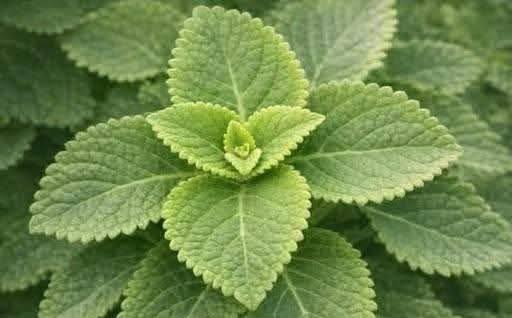
In the bustling world of culinary herbs, oregano often takes a backseat to more flamboyant flavors. Yet, beneath its humble green leaves lies a powerhouse of wellness potential, long celebrated in traditional medicine and now increasingly validated by modern science. This aromatic herb, a staple in Mediterranean and Italian cuisine, offers far more than just a savory kick to your pasta sauce or pizza. From its potent antioxidant properties to its impressive antimicrobial capabilities, oregano is emerging as a true unsung hero in the realm of natural health.
Today, we embark on a fascinating journey to peel back the layers of this remarkable plant. We’ll delve into the scientific research that underpins its reputation as a wellness ally, exploring the key compounds responsible for its beneficial effects. Prepare to discover how this everyday herb, often found drying in bundles or simmering in stews, holds a surprising array of health-supporting attributes that can easily be integrated into your daily routine. Get ready to look at oregano not just as a spice, but as a botanical marvel with a rich history and a promising future in promoting overall well-being.
Nutritional Information
Per serving (approximate values for 1 teaspoon dried oregano):
- Calories: 3
- Protein: 0.1g
- Carbohydrates: 0.7g
- Fat: 0.1g
- Fiber: 0.4g
- Sodium: 0.3mg
Ingredients
- Fresh Oregano Leaves (for garnishing and infusion)
- Dried Oregano (for culinary use)
- Oregano Essential Oil (food-grade, diluted for specific applications)
- Olive Oil (for infusions)
- Filtered Water (for teas)
- Honey or Lemon (optional, for oregano tea)
Instructions
- Understanding Oregano’s Forms: Begin by familiarizing yourself with the various forms of oregano suitable for wellness purposes: fresh leaves, dried herb, and food-grade essential oil. Each has its unique applications and potency.
- Preparing Oregano Tea: For a simple wellness boost, bring 8 ounces of filtered water to a boil. Add 1-2 teaspoons of dried oregano (or a small sprig of fresh oregano). Remove from heat, cover, and steep for 5-10 minutes. Strain the leaves and enjoy. You can add a squeeze of lemon or a touch of honey for flavor, if desired.
- Creating Oregano-Infused Olive Oil: Gently warm 1 cup of good quality olive oil in a saucepan over low heat. Add 2-3 sprigs of fresh oregano (bruised slightly to release aromatics) or 2 tablespoons of dried oregano. Let it infuse on very low heat for 30 minutes to an hour, ensuring the oil doesn’t fry the herbs. Remove from heat, let cool, then strain the oregano leaves. Store the infused oil in a clean, airtight bottle in a cool, dark place.
- Incorporating Dried Oregano into Cooking: For everyday wellness, generously sprinkle dried oregano into your cooking. It’s excellent in tomato sauces, marinades, salad dressings, roasted vegetables, and on grilled meats or poultry. Add it early in the cooking process to allow its flavors and beneficial compounds to meld.
- Using Fresh Oregano as a Garnish or in Salads: Fresh oregano offers a brighter, more pungent flavor. Chop fresh leaves and add them to salads, bruschetta, or as a vibrant garnish for soups and stews just before serving to retain its fresh aroma and some delicate compounds.
- Diluting Oregano Essential Oil (with caution): If using food-grade oregano essential oil, extreme caution is advised due to its potency. Always dilute it significantly before internal use. A common recommendation is 1 drop of oregano essential oil in 4-8 ounces of water, or mixed with a carrier oil like olive oil before consumption. Consult a healthcare professional or certified aromatherapist before internal use.
- Aromatherapy with Oregano: For respiratory support, add 2-3 drops of oregano essential oil to a diffuser or a bowl of hot water for steam inhalation. Close your eyes and inhale deeply for 5-10 minutes. This is for external aromatic use only.
- Topical Application (Diluted Oregano Oil): For muscle aches or skin concerns (like fungal issues), dilute 1-2 drops of oregano essential oil in 1 teaspoon of a carrier oil (like jojoba, almond, or olive oil) and apply topically to the affected area. Always perform a patch test first to check for skin sensitivity.
Cooking Tips and Variations
When incorporating oregano for its wellness benefits, remember that fresh is often best for certain compounds, while dried oregano can be more concentrated in others. To maximize the release of beneficial compounds like carvacrol and thymol, gently bruise fresh oregano leaves before adding them to dishes or infusions. For dried oregano, blooming it briefly in a little oil at the start of cooking can enhance its flavor and aroma. Consider making an oregano vinegar by steeping fresh sprigs in apple cider vinegar for a week or two; this provides a flavorful and health-boosting addition to salad dressings. Experiment with different varieties of oregano, such as Greek or Mexican oregano, as their flavor profiles and compound concentrations can vary. For a quick wellness shot, blend a small handful of fresh oregano leaves with water, a squeeze of lemon, and a pinch of ginger, then strain and drink. Remember that heat can degrade some volatile compounds, so for maximum benefit, consider adding fresh oregano towards the end of cooking or using it in raw applications.
Storage and Reheating
Proper storage is crucial to maintain oregano’s potency, whether fresh or dried. Fresh oregano should be stored in the refrigerator. You can either place the stems in a glass of water, much like a bouquet, and cover loosely with a plastic bag, or wrap the sprigs in a damp paper towel and place them in a resealable bag. Stored this way, fresh oregano can last for up to two weeks. Dried oregano, on the other hand, should be kept in an airtight container in a cool, dark place, away from direct sunlight and heat. This will help preserve its essential oils and flavor for up to 1-2 years. Oregano-infused oils should be stored in a cool, dark place and used within 2-3 months, or refrigerated to extend shelf life, though refrigeration may cause the olive oil to solidify. Oregano tea is best consumed fresh; if you have leftovers, store it in the refrigerator for no more than 24 hours. Reheating infused oils or teas is generally fine, but avoid excessive heat for prolonged periods, as this can diminish some of the beneficial compounds. For dishes prepared with oregano, store them as you would any other cooked meal, in an airtight container in the refrigerator for 3-4 days, and reheat thoroughly.
Frequently Asked Questions
What is the difference between fresh and dried oregano in terms of health benefits?
Both fresh and dried oregano offer significant health benefits, but their concentration of compounds can differ. Dried oregano is often more concentrated in volatile oils like carvacrol and thymol due to the water content being removed, making it more potent by weight. Fresh oregano, however, contains additional antioxidants and vitamins that might be partially lost during the drying process. For general culinary use and a broad spectrum of benefits, both forms are excellent. For targeted high-potency applications, dried oregano or its essential oil derivatives are often preferred, always with appropriate dilution and caution.
Can oregano interact with medications or cause side effects?
While generally safe when consumed in culinary amounts, oregano, especially in concentrated forms like essential oil or supplements, can interact with certain medications and cause side effects. It may have anticoagulant properties, potentially increasing the risk of bleeding in individuals taking blood thinners. It can also affect blood sugar levels, which is a concern for diabetics. Some individuals may experience allergic reactions, particularly those sensitive to other plants in the mint family. High doses of oregano oil can cause stomach upset. Always consult with a healthcare professional before using oregano therapeutically, especially if you have underlying health conditions or are taking medications.
What are the primary compounds in oregano responsible for its wellness properties?
Oregano’s impressive wellness properties are largely attributed to its rich composition of bioactive compounds. The two most prominent are carvacrol and thymol, which are phenolic compounds responsible for much of oregano’s distinctive aroma and its potent antimicrobial, antioxidant, and anti-inflammatory effects. Other important compounds include rosmarinic acid, a powerful antioxidant also found in rosemary, and various flavonoids like luteolin and apigenin. These compounds work synergistically to contribute to oregano’s overall health-supporting profile, making it a valuable addition to a wellness-focused diet.