

Introduction
In the vibrant tapestry of culinary herbs, few names evoke as much robust flavor and aromatic charm as “oregano.” Yet, what if I told you that the herb gracing our plates, often celebrated for its Mediterranean flair, isn’t always the true *Origanum vulgare* we commonly associate with the name? This article embarks on a fascinating journey to demystify a common culinary imposter—one that, despite its misnomer, holds a powerful and distinct place in kitchens and traditional medicine worldwide. We’re diving deep into the world of *Coleus amboinicus*, also known by a delightful array of names including Indian Borage, Cuban Oregano, Mexican Mint, and Spanish Thyme. This succulent, fuzzy-leaved plant, often confused with its Mediterranean namesake due to a shared pungent aroma and savory applications, is a culinary superstar in its own right, boasting a unique flavor profile and a wealth of health benefits.
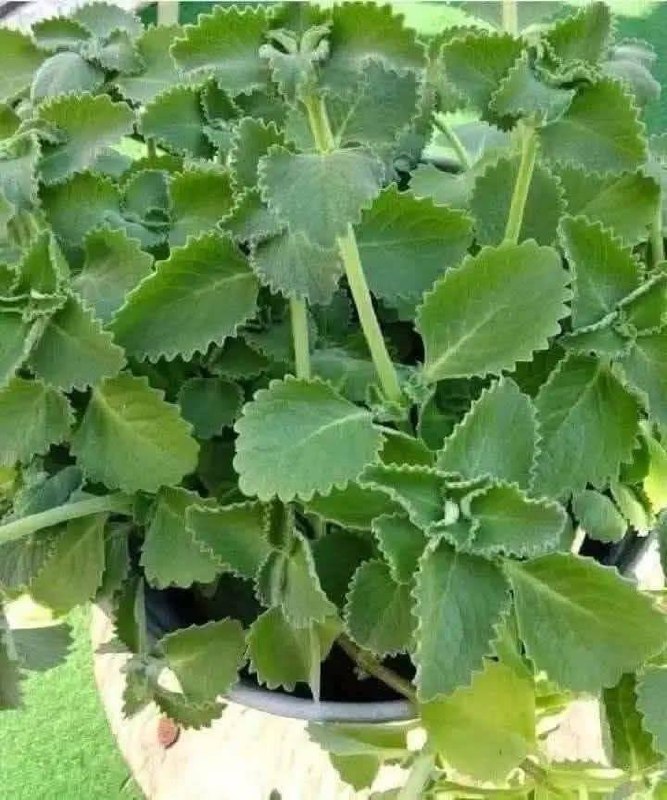
The image before us beautifully showcases the distinctive features of *Coleus amboinicus*: its thick, almost succulent leaves, often a vibrant green, with characteristic scalloped or serrated edges and a fine, fuzzy texture. These visual cues immediately set it apart from the smoother, often smaller leaves of true oregano. Despite this botanical distinction, its strong, camphoraceous scent and a flavor that hints at oregano, thyme, and mint have earned it the “oregano” moniker in many cultures, leading to delightful culinary crossovers and occasional botanical confusion. This plant isn’t merely a stand-in; it’s a powerhouse of flavor, a staple in Caribbean, Latin American, and Southeast Asian cuisines, and a revered component of traditional medicine.
Our “scientific look” will unpack not just its unique botanical identity but also the fascinating array of bioactive compounds that underpin its aromatic appeal and its impressive range of traditional and scientifically-backed health benefits. From its role in soothing coughs and colds to its potent antimicrobial properties, *Coleus amboinicus* offers far more than just a pleasant taste. We’ll explore how to identify it, how to cultivate it in your own garden, and most importantly, how to harness its distinctive flavor in your cooking. Prepare to discover the untold story of this remarkable herb, moving beyond mere labels to appreciate the true essence of its culinary and medicinal “role.”
Nutritional Information
Per serving (approximate values for 1/4 cup fresh, chopped leaves):
- Calories: 5
- Protein: 0.2g
- Carbohydrates: 1g
- Fat: 0.1g
- Fiber: 0.5g
- Sodium: 2mg
Ingredients
- 1 cup fresh *Coleus amboinicus* (Indian Borage) leaves, loosely packed
- 2 tablespoons olive oil
- 1 medium yellow onion, finely chopped
- 2 cloves garlic, minced
- 1 red bell pepper, finely diced
- 1 (14.5 ounce) can crushed tomatoes
- 1/2 cup vegetable broth
- 1 teaspoon ground cumin
- 1/2 teaspoon smoked paprika
- 1/4 teaspoon cayenne pepper (optional, for heat)
- Salt to taste
- Freshly ground black pepper to taste
- 1/4 cup fresh cilantro, chopped (for garnish)
- Cooked rice or crusty bread, for serving
Instructions
- Thoroughly wash and pat dry the *Coleus amboinicus* leaves. Finely chop the leaves. Set aside.
- Heat the olive oil in a medium saucepan or Dutch oven over medium heat.
- Add the chopped onion and cook until softened and translucent, about 5-7 minutes, stirring occasionally.
- Stir in the minced garlic and diced red bell pepper. Cook for another 3-5 minutes, until the bell pepper starts to soften.
- Add the ground cumin, smoked paprika, and cayenne pepper (if using) to the saucepan. Cook for 1 minute, stirring constantly, until fragrant.
- Pour in the crushed tomatoes and vegetable broth. Bring the mixture to a gentle simmer.
- Reduce the heat to low, cover, and let it simmer for 15-20 minutes, allowing the flavors to meld.
- Stir in the finely chopped *Coleus amboinicus* leaves. Cook for an additional 2-3 minutes; avoid overcooking to preserve the herb’s fresh flavor and aroma.
- Season with salt and freshly ground black pepper to taste.
- Remove from heat. Ladle the stew into bowls.
- Garnish generously with fresh cilantro before serving.
- Serve hot with cooked rice or crusty bread for dipping.
Cooking Tips and Variations
To truly unlock the unique essence of *Coleus amboinicus*, remember that its flavor is best when added towards the end of cooking. Prolonged heat can diminish its vibrant, pungent notes, making it taste dull. When chopping the leaves, a very fine mince will help distribute its potent flavor evenly throughout your dish. If you find the raw herb too intense, you can lightly bruise the leaves before adding them, or even steep a few whole leaves in your hot broth or sauce for a short period, then remove them before serving. For a richer flavor profile, consider adding a bay leaf during the initial simmering stage of the stew, removing it before serving. This recipe is incredibly versatile; feel free to add other vegetables like diced carrots, zucchini, or potatoes for a heartier meal. You can also incorporate a protein such as cooked chicken, shrimp, or chickpeas during the last 10 minutes of simmering to transform it into a complete main course. For a creamier texture, a splash of coconut milk or a dollop of Greek yogurt stirred in at the very end can add a lovely richness, balancing the herb’s pungency. If you enjoy a touch of acidity, a squeeze of fresh lime juice just before serving will brighten all the flavors. For those who prefer a less intense “oregano” flavor, start with half the amount of *Coleus amboinicus* and gradually add more to your preference. Remember, this herb is potent, so a little goes a long way!
Storage and Reheating
This *Coleus amboinicus* stew stores wonderfully, often tasting even better the next day as the flavors continue to meld. To store, allow the stew to cool completely at room temperature, which typically takes about 30-60 minutes. Once cooled, transfer it to an airtight container. It can be stored in the refrigerator for up to 3-4 days. For longer storage, this stew freezes exceptionally well. Portion the cooled stew into freezer-safe containers or heavy-duty freezer bags, leaving a little headspace to allow for expansion. It can be kept in the freezer for up to 3 months. When you’re ready to enjoy it again, thaw frozen stew overnight in the refrigerator, or use the defrost setting on your microwave. To reheat, transfer the stew to a saucepan and warm over medium-low heat, stirring occasionally, until it is heated through. If the stew appears too thick after reheating, you can add a splash of vegetable broth or water to achieve your desired consistency. Avoid reheating the stew vigorously or for too long, as this can dull the fresh notes of the *Coleus amboinicus*. If you have fresh cilantro for garnish, it’s best to add it after reheating to maintain its vibrant flavor and color.
Frequently Asked Questions
What is the difference between *Coleus amboinicus* and true oregano?
While both *Coleus amboinicus* and true oregano (*Origanum vulgare*) belong to the mint family (Lamiaceae) and share some aromatic qualities, they are distinct species. *Coleus amboinicus* has thick, succulent, fuzzy leaves with scalloped edges, and a more pungent, slightly minty flavor often described as a stronger version of oregano. True oregano typically has smaller, smoother leaves and a more classic savory, earthy flavor. They are used similarly in cooking, but *Coleus amboinicus* often requires a lighter hand due to its intensity.
Can I substitute *Coleus amboinicus* for dried oregano in recipes?
While *Coleus amboinicus* can impart an “oregano-like” flavor, it’s not a direct 1:1 substitute for dried oregano. Its flavor profile is much more potent, fresh, and slightly minty, contrasting with the concentrated, earthy notes of dried true oregano. If substituting, start with a much smaller quantity of fresh *Coleus amboinicus* than you would use for dried oregano, and add it towards the end of cooking to preserve its unique volatile oils. It’s often best used where fresh herb notes are desired.
What are some traditional medicinal uses of *Coleus amboinicus*?
*Coleus amboinicus* has a rich history in traditional medicine across various cultures. It is commonly used to alleviate symptoms of coughs, colds, sore throats, and asthma due to its expectorant and anti-inflammatory properties. It’s also traditionally employed as a digestive aid, for treating skin conditions, and as an antimicrobial agent for minor wounds and infections. Many cultures brew the fresh leaves into a tea to treat respiratory ailments and stomach upset.
How can I grow *Coleus amboinicus* at home?
*Coleus amboinicus* is remarkably easy to grow, making it an excellent choice for home gardeners. It thrives in warm climates and prefers well-draining soil and partial to full sunlight. It’s particularly well-suited for container gardening and can even be grown indoors in a sunny spot. The easiest way to propagate it is from cuttings: simply snip a stem, remove the lower leaves, and place it in water or directly into moist soil. Roots typically form within a week or two, and the plant will grow quickly, providing a continuous supply of fresh leaves.