

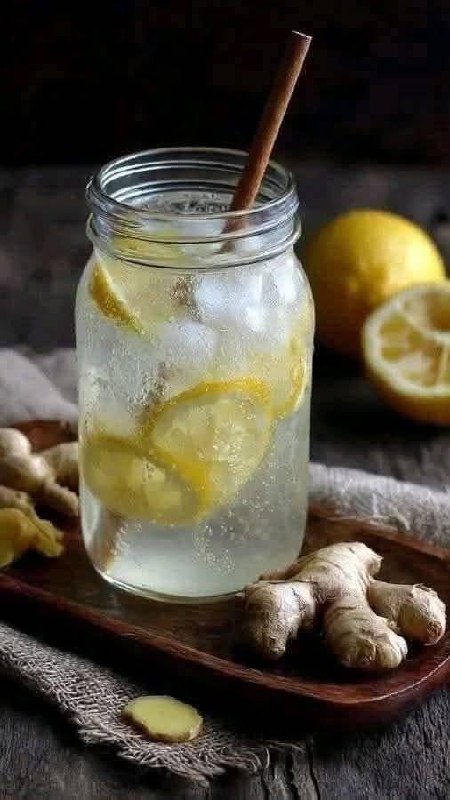
Introduction
In the bustling world of wellness trends, sometimes the simplest solutions are the most impactful. Enter ginger water – a refreshingly straightforward beverage that has been cherished for centuries in various cultures for its remarkable health benefits and invigorating flavor. Far more than just infused water, this humble concoction combines the potent properties of fresh ginger with the hydrating power of water, often brightened by a squeeze of lemon and other delightful additions. It’s a natural, caffeine-free way to kickstart your day, soothe your system, and add a touch of healthful luxury to your daily routine.
What makes ginger water so special? It’s the harmonious blend of simplicity and efficacy. Preparing it requires minimal effort and readily available ingredients, yet the rewards are substantial. From aiding digestion and bolstering immunity to potentially reducing inflammation and providing a gentle energy boost, ginger water offers a holistic approach to well-being. Unlike sugary sodas or artificial energy drinks, it provides pure hydration and natural goodness, making it an excellent choice for anyone looking to incorporate healthier habits without complex recipes or exotic ingredients.
Whether you’re seeking a natural remedy for an upset stomach, a warming drink on a cold day, or simply a delicious and healthy alternative to plain water, ginger water fits the bill. Its versatility allows for customization, letting you adjust the intensity of flavor and add other beneficial ingredients like lemon, mint, or even a hint of cinnamon. Join us as we explore the magic of ginger water, uncover its wellness secrets, and guide you through creating your own perfect brew for a healthier, more vibrant you.
Nutritional Information
Per serving (approximate values):
- Calories: 15
- Protein: 0.5g
- Carbohydrates: 3g
- Fat: 0.1g
- Fiber: 0.5g
- Sodium: 5mg
Ingredients
- 4 cups (1 liter) filtered water
- 1-2 inches fresh ginger root, peeled and thinly sliced or grated (about 2-4 tablespoons)
- 1/2 to 1 whole lemon, juiced (about 2-4 tablespoons)
- Optional: 1-2 teaspoons raw honey or maple syrup, to taste
- Optional: A few fresh mint leaves for garnish and flavor
- Optional: Thin lemon slices or a cinnamon stick for garnish
Instructions
- Prepare the Ginger: Start by washing your fresh ginger root thoroughly. You can peel the ginger if you prefer a milder flavor, or leave the skin on for a more robust, spicier taste (just ensure it’s well-scrubbed if leaving the skin on). Using a sharp knife or a mandoline, thinly slice the ginger into rounds. Alternatively, you can grate the ginger for a stronger infusion. Aim for about 2-4 tablespoons of prepared ginger.
- Choose Your Infusion Method: There are two primary ways to make ginger water: hot infusion (simmering) or cold infusion (cold brewing).
- Hot Infusion (Simmering Method):
- In a medium saucepan, combine the 4 cups of filtered water and the prepared ginger.
- Bring the mixture to a gentle boil over medium-high heat.
- Once boiling, reduce the heat to low, cover the saucepan, and let it simmer for 10-15 minutes. The longer it simmers, the stronger the ginger flavor will be.
- After simmering, remove the saucepan from the heat and let it cool slightly.
- Strain the ginger water through a fine-mesh sieve into a heatproof pitcher or jar to remove the ginger pieces.
- Allow the strained ginger water to cool completely to room temperature before proceeding to the next step.
- Cold Infusion (Cold Brewing Method):
- In a large pitcher or jar, combine the 4 cups of filtered water and the prepared ginger.
- Stir gently to ensure the ginger is submerged.
- Cover the pitcher and refrigerate for at least 4-6 hours, or preferably overnight. The longer it infuses, the more potent the ginger flavor.
- After infusion, strain the ginger water through a fine-mesh sieve into a clean pitcher or jar to remove the ginger pieces.
- Add Lemon Juice: Once the ginger water has cooled (if using the hot infusion method), add the fresh lemon juice to taste. Start with half a lemon’s worth of juice and add more if you desire a tangier flavor. Lemon not only brightens the taste but also adds a boost of Vitamin C.
- Sweeten (Optional): If you prefer a slightly sweeter drink, stir in 1-2 teaspoons of raw honey or maple syrup. Adjust the amount to your personal preference. Stir until the sweetener is fully dissolved.
- Serve: Serve the ginger water immediately, either warm (if made with hot infusion) or chilled over ice.
- Garnish (Optional): For an elevated presentation and extra flavor, garnish each glass with a few fresh mint leaves, a thin slice of lemon, or even a cinnamon stick.
- Storage: Store any leftover ginger water in a sealed container in the refrigerator for up to 2-3 days.
Cooking Tips and Variations
To truly master your ginger water and tailor it to your preferences, consider these tips and variations. For a milder ginger flavor, use less ginger or simmer it for a shorter duration. Conversely, if you crave a more intense, spicier kick, increase the amount of ginger or extend the simmering time. You can also experiment with leaving the ginger unpeeled for a bolder, earthier taste, just ensure it’s thoroughly scrubbed. Always use fresh ginger root; powdered ginger will not yield the same vibrant flavor or health benefits.
For an extra layer of flavor and benefits, consider adding other ingredients during the infusion process. A few slices of cucumber can add a refreshing, spa-like quality, while a sprig of fresh rosemary or thyme can introduce a unique aromatic note. For a warming, comforting variation, add a cinnamon stick or a few whole cloves to the simmering water along with the ginger. If you’re looking for a natural immune boost, a pinch of cayenne pepper can be added for a spicy kick, or a few slices of turmeric root for its anti-inflammatory properties (though be mindful that turmeric can stain).
The serving temperature of ginger water is entirely up to your preference. While many enjoy it chilled over ice, especially during warmer months, it can be equally delightful served warm, particularly as a soothing evening drink or a morning pick-me-up. For a sparkling twist, once your ginger water is cooled and strained, mix it with an equal part of sparkling water or club soda for a refreshing, bubbly beverage. You can also make a concentrated ginger syrup by simmering ginger with less water and a sweetener, then diluting it with water or sparkling water as needed. This allows for quick preparation of individual servings.
Always use filtered water for the best taste, as impurities in tap water can affect the overall flavor of your ginger water. When storing, ensure your ginger water is in an airtight container in the refrigerator to maintain its freshness and flavor. Remember that the flavors will continue to meld and strengthen slightly over time, so if you prefer a milder taste, consume it within the first day.
Storage and Reheating
Proper storage is key to maintaining the freshness, flavor, and beneficial properties of your homemade ginger water. Once prepared, whether through hot or cold infusion, allow the ginger water to cool completely to room temperature before storing. This prevents condensation buildup and helps preserve its quality. Transfer the strained ginger water into a clean, airtight glass pitcher or jar. Glass is preferable to plastic as it won’t absorb flavors or potentially leach chemicals. Store the sealed container in the refrigerator for up to 2-3 days. While it might still be safe to consume after this period, the flavor and potency of the ginger will begin to diminish.
If you’ve made a larger batch, consider dividing it into smaller portions or individual serving bottles. This makes it convenient for on-the-go consumption and prevents the entire batch from being exposed to air every time you pour a glass. Avoid storing ginger water with the ginger pieces still in it for extended periods, as the flavor can become overwhelmingly strong and sometimes bitter. Always strain the ginger out after the desired infusion time.
Reheating ginger water is straightforward if you prefer to enjoy it warm. If you’ve stored it chilled, simply pour the desired amount into a microwave-safe mug and heat it in the microwave for 30-60 seconds, or until it reaches your preferred temperature. Alternatively, you can gently warm it on the stovetop in a small saucepan over low heat, being careful not to bring it to a rolling boil, as excessive heat can sometimes diminish the delicate flavors and some of the beneficial compounds. There’s no need to reheat if you’re planning to enjoy it cold; simply pour it over ice. Do not re-infuse or re-simmer previously used ginger pieces, as they will have already released most of their flavor and nutrients.
Frequently Asked Questions
What are the main health benefits of drinking ginger water?
Ginger water is celebrated for a variety of potential health benefits, primarily stemming from ginger’s potent compounds like gingerol. It’s widely known to aid digestion, helping to soothe an upset stomach, reduce nausea, and alleviate bloating. Ginger also possesses strong anti-inflammatory and antioxidant properties, which may help reduce pain and inflammation throughout the body, support immune function, and protect against cellular damage. Additionally, some people find it helps with weight management by promoting feelings of fullness and boosting metabolism, though more research is needed in this area. It’s a fantastic way to stay hydrated while also benefiting from these natural wellness properties.
Can I drink ginger water every day, and how much is recommended?
Yes, many people safely incorporate ginger water into their daily routine. For most healthy adults, consuming 1-2 cups of ginger water per day is generally considered safe and beneficial. However, individual tolerance can vary. It’s always best to start with a smaller amount and gradually increase to see how your body responds, especially if you are new to ginger. If you have any underlying health conditions, are pregnant or breastfeeding, or are taking medications, it’s advisable to consult with a healthcare professional before making ginger water a regular part of your diet, as ginger can sometimes interact with certain medications (like blood thinners) or exacerbate certain conditions.
What’s the difference between hot-infused and cold-infused ginger water?
The primary difference between hot and cold infusion methods lies in the extraction process and the resulting flavor profile. Hot infusion, or simmering, uses heat to quickly extract the ginger’s flavors and active compounds. This method typically produces a stronger, spicier, and more pungent ginger water in a shorter amount of time. Cold infusion, on the other hand, involves steeping ginger in cold water over a longer period (usually several hours or overnight). This slower process results in a milder, smoother, and often more nuanced ginger flavor, with less of the intense spiciness that can come from hot brewing. Both methods yield beneficial ginger water, so the choice often comes down to personal preference for flavor intensity and preparation time.
Can I reuse the ginger pieces after making ginger water?
While it might be tempting to reuse the ginger pieces to avoid waste, it’s generally not recommended for making another batch of ginger water. After the initial infusion (whether hot or cold), the ginger pieces will have already released most of their beneficial compounds, flavors, and aromas into the water. Reusing them would result in a significantly weaker and less flavorful batch of ginger water, and you wouldn’t get the full health benefits. It’s best to discard the used ginger pieces and start with fresh ginger for each new batch to ensure maximum potency and taste. If you’re looking for ways to reduce waste, consider composting the used ginger or adding it to a stock pot for a very subtle ginger note in broths.