

Introduction
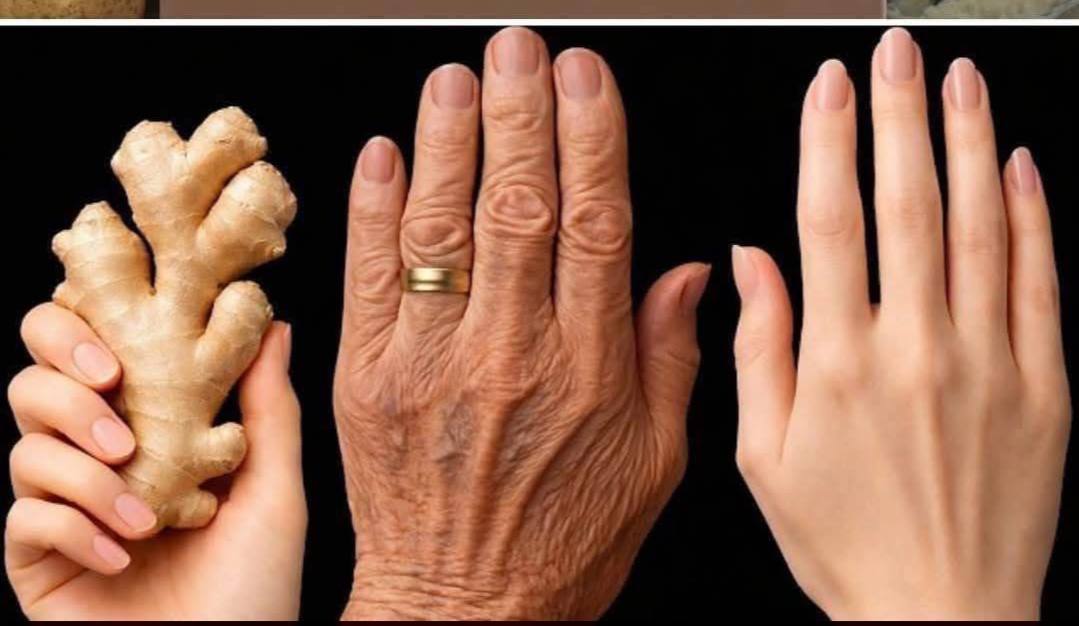
Are you tired of looking in the mirror and seeing stubborn dark spots and fine lines staring back at you? The quest for youthful, radiant skin is a journey many embark on, often spending a fortune on high-end creams and treatments. But what if the secret to a brighter, smoother complexion was hiding in your kitchen, readily available and completely natural? We’re here to reveal a simple, homemade remedy that harnesses the power of nature to help you diminish those unwelcome signs of aging, giving you skin that looks and feels rejuvenated.
This isn’t just another fleeting beauty trend; it’s a time-tested approach that taps into the incredible benefits of a humble root: ginger. Known for its potent medicinal properties and culinary versatility, ginger is also a powerhouse ingredient for skincare. Its natural compounds work synergistically to address common skin concerns like hyperpigmentation and wrinkles, offering a gentle yet effective alternative to harsh chemical treatments. Get ready to discover how to transform your skin with ingredients you can trust.
In this article, we’ll guide you through creating a simple, all-natural mask that can become a cornerstone of your anti-aging routine. Forget complicated procedures and expensive products; embrace the simplicity and efficacy of this homemade solution. We’ll delve into the science behind why ginger is so beneficial for your skin, provide a detailed recipe, and share essential tips to ensure you get the most out of this remarkable remedy. Prepare to unveil a more youthful, glowing you with the magic of ginger!
Nutritional Information
Per serving (approximate values):
- Calories: 45
- Protein: 1g
- Carbohydrates: 10g
- Fat: 0.5g
- Fiber: 2g
- Sodium: 5mg
Ingredients
- 1 tablespoon freshly grated ginger (from about a 1-inch piece of ginger root)
- 1 tablespoon raw, organic honey
- 1 teaspoon fresh lemon juice (optional, for extra brightening)
- 1 teaspoon extra virgin olive oil or almond oil (optional, for added moisture)
- Small mixing bowl
- Clean, soft cloth or cotton pads for application
Instructions
- Begin by selecting a fresh piece of ginger root. Wash it thoroughly under cool running water.
- Using a vegetable peeler or the edge of a spoon, carefully peel the skin off the ginger root.
- Once peeled, grate the ginger using a fine grater into a small mixing bowl. You should aim for about one tablespoon of finely grated ginger.
- To extract the ginger juice, place the grated ginger into a clean piece of cheesecloth or a fine-mesh strainer and press firmly. Collect the ginger juice in the mixing bowl. If you don’t have a strainer or cheesecloth, you can simply use the grated ginger directly, but the juice is more potent.
- Add the raw, organic honey to the bowl with the ginger juice or grated ginger.
- If desired, add one teaspoon of fresh lemon juice to the mixture. Lemon juice contains vitamin C, which can further aid in brightening the skin, but it can also increase sun sensitivity, so use cautiously.
- For those with drier skin, or if you prefer a more nourishing mask, add one teaspoon of extra virgin olive oil or almond oil to the mixture. This will help to moisturize and soothe the skin.
- Stir all the ingredients together thoroughly until you achieve a smooth, well-combined paste. The consistency should be thick enough to apply to your face without dripping excessively.
- Before applying the mask, ensure your face is clean and free of any makeup, dirt, or oils. Wash your face with a gentle cleanser and pat it dry with a clean towel.
- Perform a patch test: Apply a small amount of the mixture to an inconspicuous area of your skin, such as behind your ear or on your inner forearm. Wait 15-20 minutes to check for any signs of irritation, redness, or itching. If no adverse reaction occurs, proceed with full application.
- Using your fingertips or a clean, soft brush, carefully apply an even layer of the ginger mask to your face and neck, avoiding the delicate eye area and lips.
- Gently massage the mask into your skin with upward, circular motions for about 1-2 minutes. This helps to stimulate blood circulation and enhance the absorption of the beneficial ingredients.
- Leave the mask on for 15-20 minutes. During this time, you might feel a slight tingling sensation, which is normal due to the active compounds in ginger. However, if the tingling becomes intense or uncomfortable, rinse off immediately.
- After the recommended time, rinse off the mask thoroughly with lukewarm water. Make sure to remove all traces of the mask.
- Pat your skin dry with a clean, soft towel.
- Follow up with your favorite gentle moisturizer to lock in hydration.
- For best results, incorporate this ginger mask into your skincare routine 1-2 times per week. Consistency is key to seeing noticeable improvements in dark spots and wrinkles over time.
- Always store any leftover mask in an airtight container in the refrigerator and use it within 2-3 days for optimal freshness and efficacy.
Cooking Tips and Variations
For this “recipe,” which is a skincare remedy, “cooking tips” translate to preparation and ingredient considerations for best results. Always aim for the freshest ingredients. Using organic ginger, honey, and lemon juice can enhance the potency and reduce exposure to pesticides. When grating ginger, use the finest side of your grater to extract as much juice and beneficial compounds as possible. If you find the fresh ginger too strong for your skin, you can dilute it slightly with a bit more honey or carrier oil, or even a small amount of aloe vera gel, which is known for its soothing properties. For a milder mask, you can also use ginger powder, though fresh ginger is generally more potent. If using ginger powder, start with half a teaspoon and mix with a tablespoon of water to form a paste before adding other ingredients.
Variations can cater to different skin types and concerns. For oily or acne-prone skin, you might increase the lemon juice slightly (if tolerated) or add a pinch of turmeric powder, which is a powerful anti-inflammatory and brightening agent. Be cautious with turmeric as it can temporarily stain skin, so use a small amount. For very dry or sensitive skin, increase the amount of carrier oil (like jojoba or argan oil) and omit the lemon juice. You could also replace lemon juice with a few drops of rosewater for a soothing effect. An excellent variation for an exfoliating boost is to add a tiny amount of finely ground oats to the mixture; this will gently polish the skin as you rinse off the mask. Remember to always perform a patch test when introducing new ingredients or variations to ensure no adverse reactions.
Consider adding a drop or two of a skin-friendly essential oil, such as frankincense for anti-aging or lavender for soothing, but ensure they are therapeutic grade and properly diluted. Never apply essential oils directly to the skin without a carrier. For an enhanced antioxidant boost, a small amount of freshly brewed and cooled green tea can be used as a base liquid if your mixture is too thick. This also adds another layer of anti-aging benefits. The key is to experiment cautiously and listen to your skin’s unique needs, adjusting the ingredients and proportions until you find your perfect blend. Consistency is paramount for seeing results, so incorporate this remedy regularly into your skincare ritual while maintaining a healthy diet and lifestyle for overall skin health.
Storage and Reheating
Since this is a homemade skincare remedy, “storage and reheating” pertains to keeping the mixture fresh and effective, rather than culinary reheating.
Storage:
- Airtight Container: Always store any leftover ginger mask in a small, clean, airtight container. This prevents air exposure, which can degrade the active ingredients and introduce contaminants.
- Refrigeration: Place the sealed container in the refrigerator immediately after preparation. The cool temperature helps to slow down the oxidation process and inhibit bacterial growth, keeping the mixture fresh for longer.
- Shelf Life: Due to the fresh ingredients, especially ginger and lemon juice, this homemade mask has a limited shelf life. It is best to use the prepared mixture within 2 to 3 days. Beyond this, the potency of the active compounds may diminish, and there’s a higher risk of bacterial contamination.
- Visual and Olfactory Check: Before each use, always visually inspect the mask for any signs of mold growth or discoloration. Also, smell it; if it has an off or sour odor, it’s best to discard it and prepare a fresh batch.
- Single-Use Batches: Ideally, prepare a fresh batch for each application to ensure maximum potency and hygiene. The quantities provided in the recipe are generally sufficient for one application to the face and neck, minimizing waste.
Reheating (Not Applicable – Skincare):
- This is a skincare mask, not a food item, so “reheating” is not applicable. The mask should be used at a cool or room temperature. Applying a cold mask from the refrigerator can also provide a refreshing and de-puffing effect, especially in the morning.
- Never microwave or heat the mask. Heating can destroy the delicate active compounds in ginger, honey, and lemon, rendering the mask ineffective and potentially causing skin irritation if applied warm.
By following these storage guidelines, you can ensure that your homemade ginger mask remains effective and safe for your skin, allowing you to consistently reap its natural anti-aging and brightening benefits.
Frequently Asked Questions
How long does it take to see results from using this ginger mask?
The timeline for seeing results can vary significantly from person to person, as it depends on individual skin type, the severity of dark spots and wrinkles, consistency of use, and overall lifestyle factors. While some individuals might notice a subtle improvement in skin radiance and texture within a few weeks of consistent use (1-2 times per week), more significant changes in dark spots and fine lines typically require several weeks to a few months. Natural remedies work gradually by supporting the skin’s natural healing and regenerative processes, so patience and diligence are key. It’s important to remember that this is not a quick fix but a supportive addition to a holistic skincare routine.
Can I use this mask if I have sensitive skin?
While ginger offers many benefits, it can be quite potent and may cause a tingling or warming sensation, which some individuals with sensitive skin might find too intense. If you have sensitive skin, it is absolutely crucial to perform a patch test before applying the mask to your entire face. Apply a very small amount to a discreet area, like behind your ear or on your inner arm, and wait 24 hours to check for any redness, itching, or irritation. If you experience discomfort, you might consider reducing the amount of ginger, increasing the carrier oil (like almond or jojoba oil) to dilute it, or omitting the lemon juice. For extremely sensitive skin, it might be best to consult a dermatologist before trying new potent natural remedies.
Will this mask make my skin more sensitive to the sun?
Yes, the inclusion of lemon juice in this mask can increase your skin’s photosensitivity. Lemon juice contains furanocoumarins, which can make your skin more susceptible to sunburn and hyperpigmentation when exposed to UV rays. If you include lemon juice in your mask, it is imperative to apply a broad-spectrum sunscreen with an SPF of 30 or higher every morning, especially on the days you use the mask and for several days afterward. Alternatively, you can choose to omit the lemon juice entirely, particularly if you know you’ll be spending time outdoors or if you have concerns about sun sensitivity. Even without lemon juice, it’s always good practice to use sunscreen daily to protect your skin from premature aging and damage.
Can I use this mask every day?
It is generally not recommended to use this ginger mask every day, especially when you are first introducing it into your routine. Ginger is a potent ingredient, and daily application might be too stimulating for many skin types, potentially leading to irritation, redness, or dryness. For most individuals, using the mask 1 to 2 times per week is sufficient to reap its benefits without over-stressing the skin. Listen to your skin’s response; if you notice any signs of irritation, reduce the frequency of use or take a break. Over-exfoliating or over-treating the skin, even with natural ingredients, can disrupt its natural barrier and lead to adverse effects.